TAKE NOTES.
SHOP
Kuratsubo Antiques
Vintage finds
Sanmachi shops
Local crafts
EAT
Rokujyuban
Beef skewers
Hida Kotte Ushi
Beef sushi
Kiyo Musubi
Rice balls
Hida
Soba + tempura
Aji-no-Yohei
Hida beef
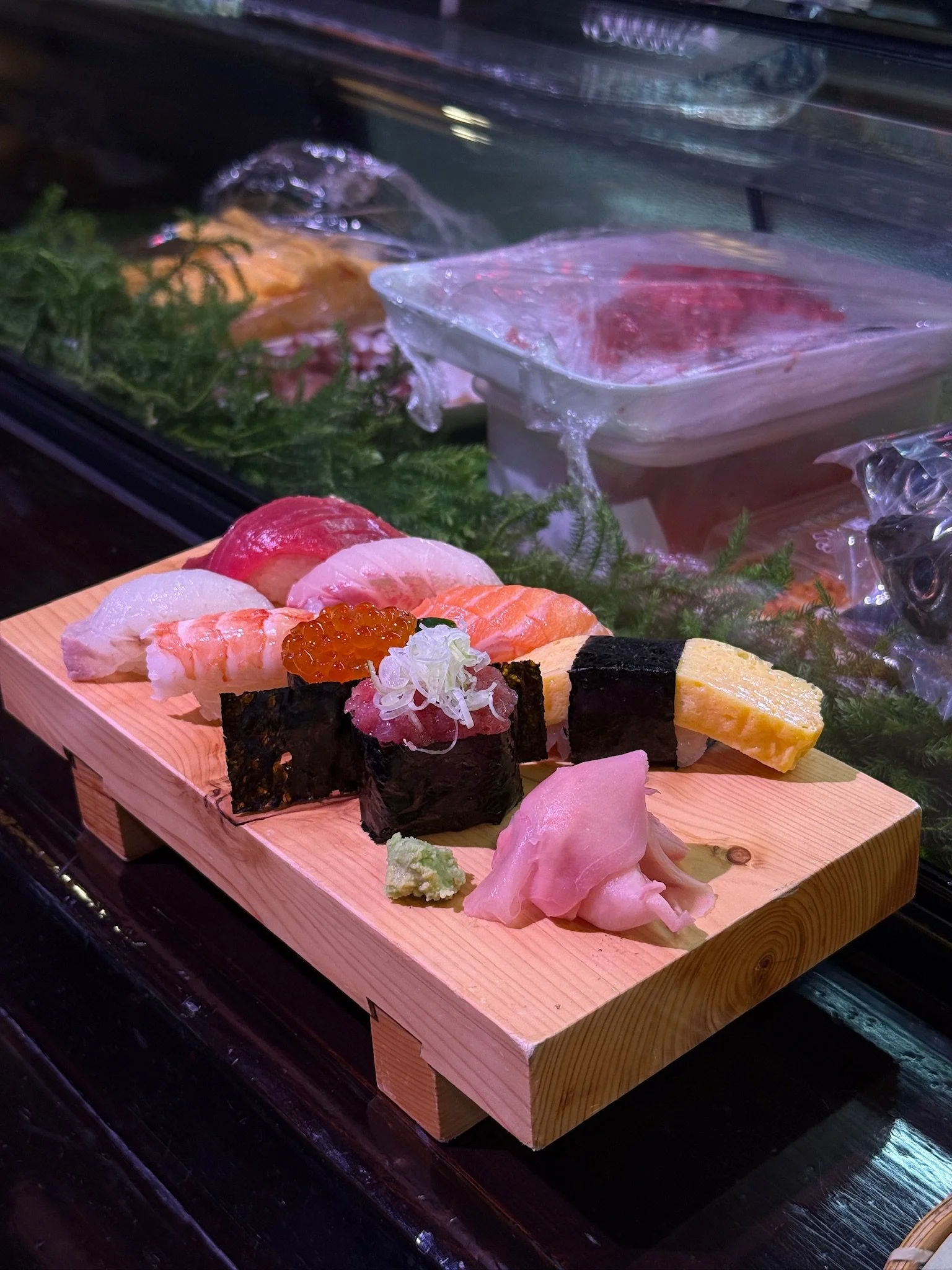
Sushi Otafuku
Sushi
SEE
Sanmachi
Historic streets
Showa-kan Museum
Showa nostalgia
Higashiyama Promenade
Temple walk
Sakurayama Hachimangu
Shinto shrine
Yatai Kaikan
Festival floats
Hida Kokubun-ji
Ancient temple
Hida Takayama Retro Museum
Retro Japan
Nakabashi
Red bridge
Takayama wears its history unusually well.
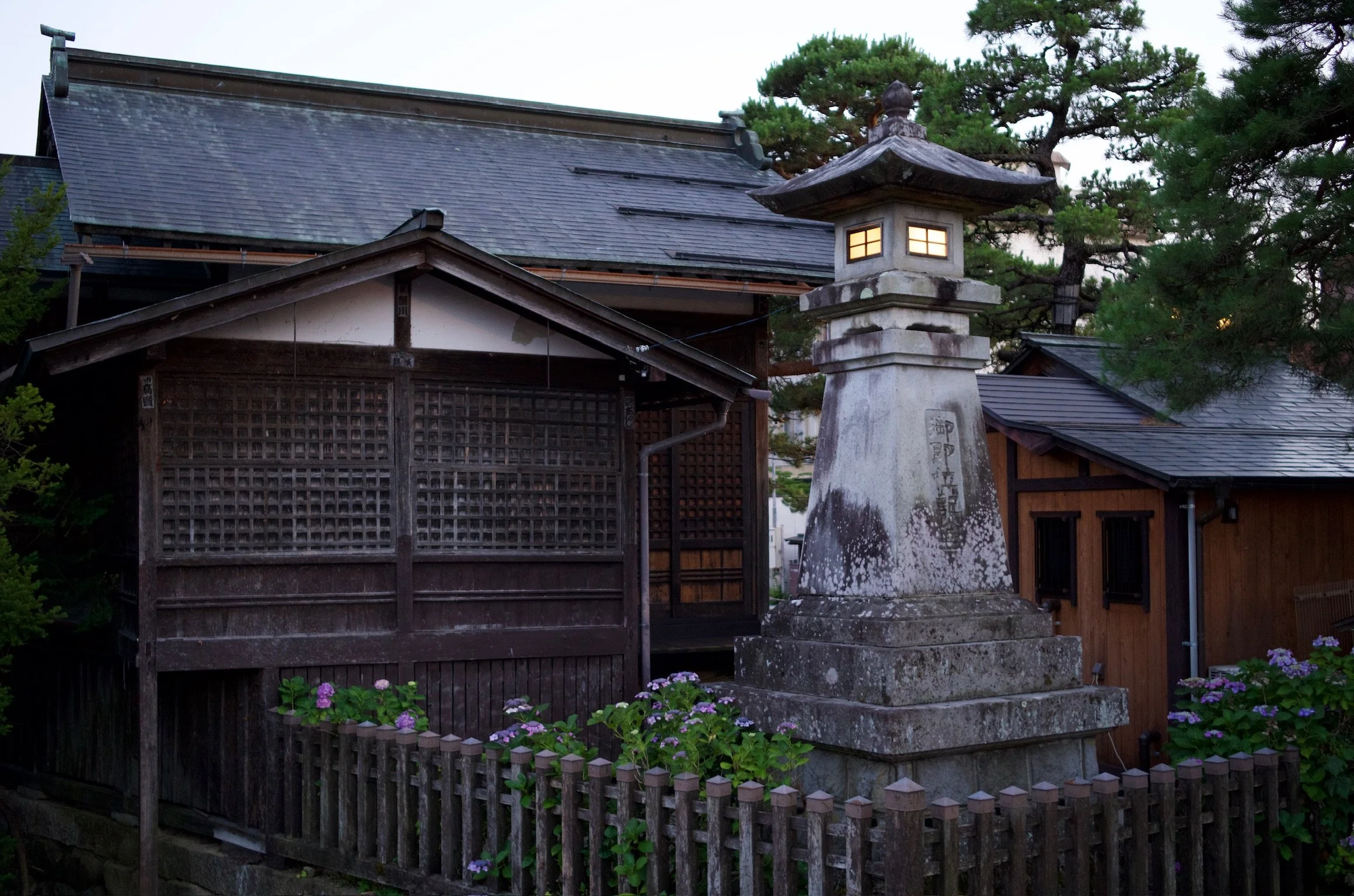
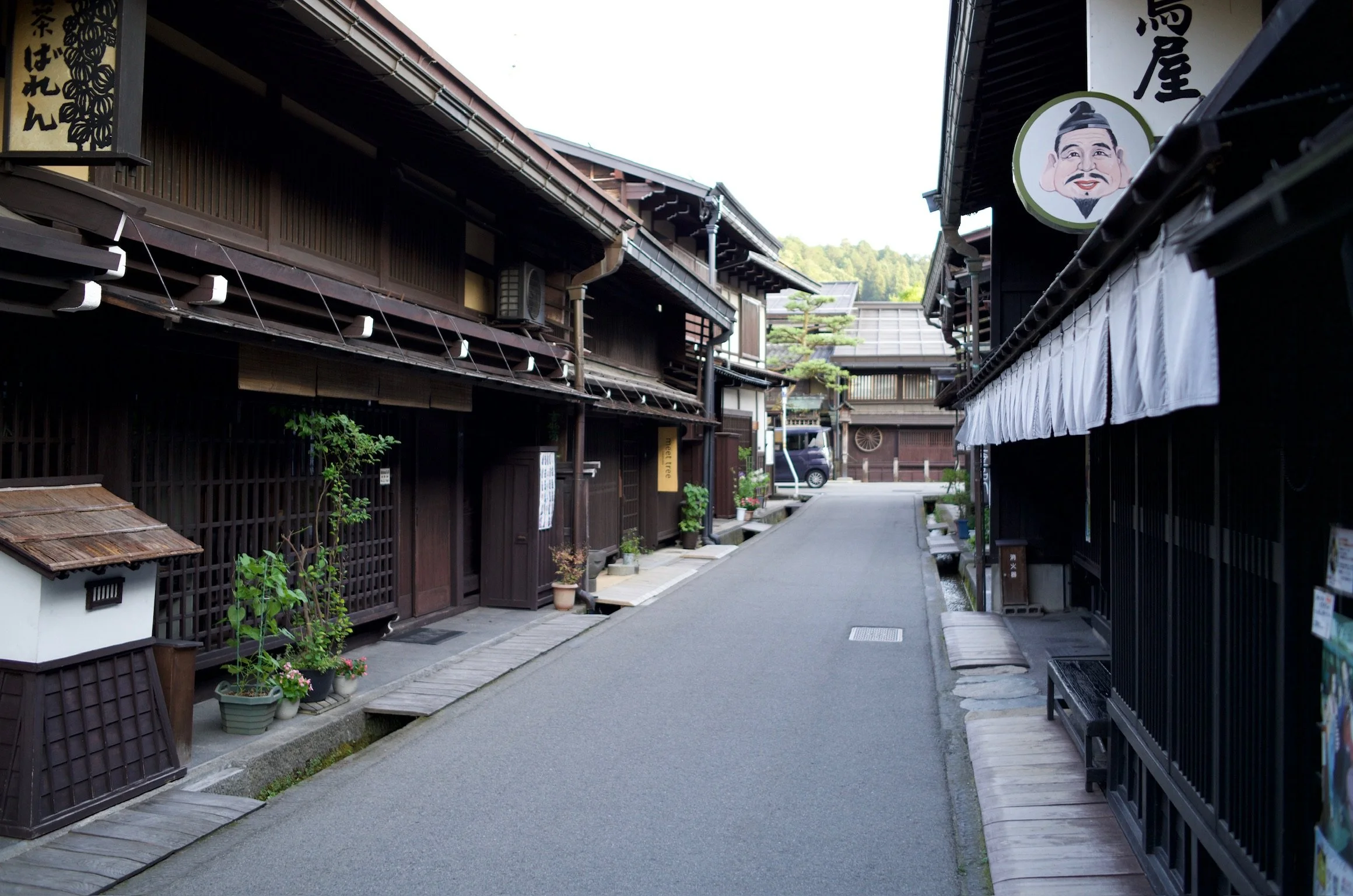
More than four centuries after it developed as a castle town in Japan's mountainous Hida region, its past is still easy to see at street level. Dark wooden merchant houses line narrow streets. Sake breweries sit behind latticed facades. Small shrines appear between houses and along the wooded hillsides. In the morning, shopkeepers slide open doors that look as though they could have been opened the same way a century ago.
The town began taking its recognizable form at the end of the 16th century, when the Kanamori clan established Takayama as the political and commercial center of Hida. Its relative isolation in the mountains helped give the region a distinct identity, while Hida's highly skilled carpenters and woodworkers left an architectural legacy that is still visible throughout the city.
Much of the historic center is built in timber: long, low buildings with deep eaves, delicate latticework and restrained storefronts that give entire blocks a remarkable visual consistency.
It was one of those places where walking without much urgency felt like the right way to see it.
The old streets of Takayama
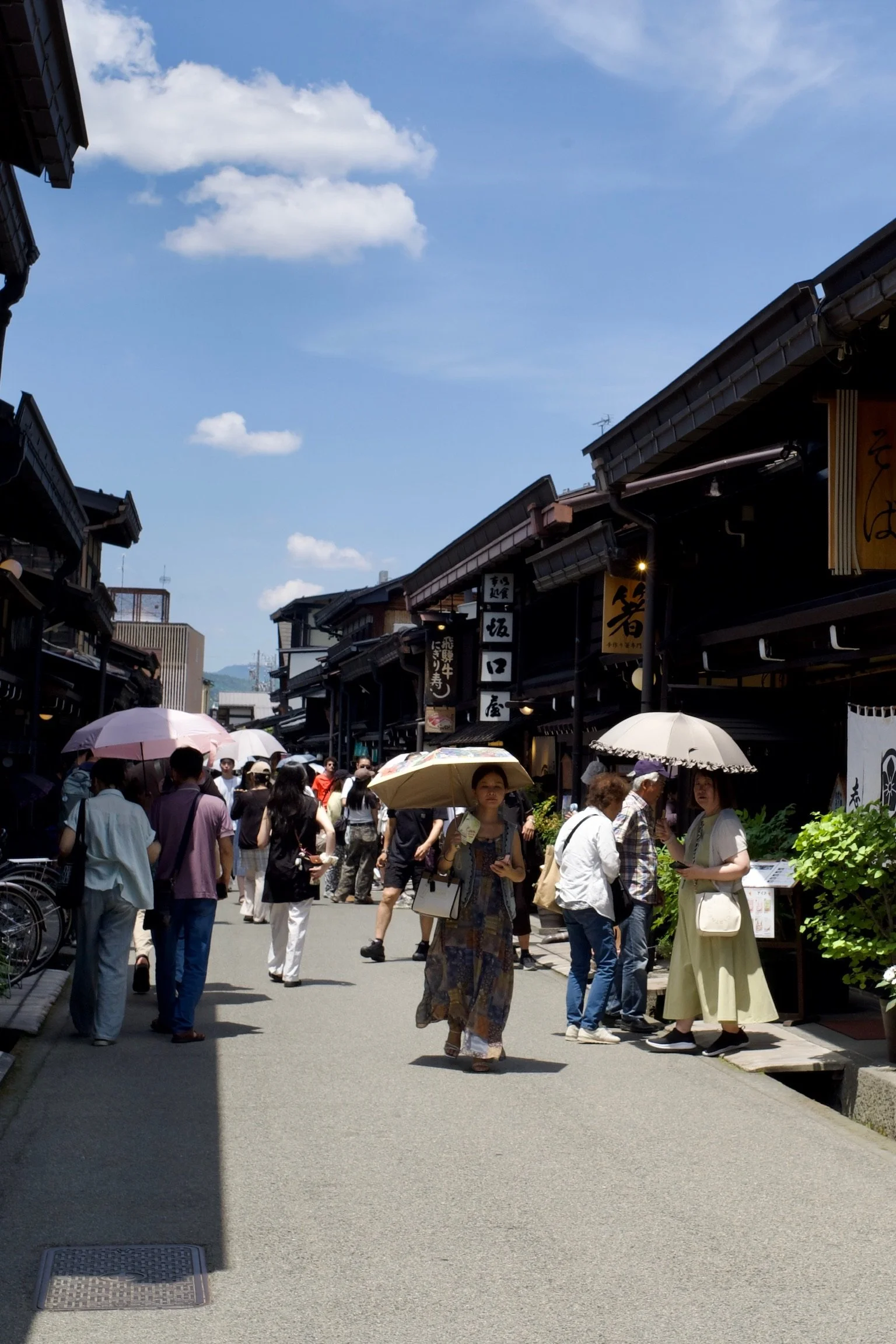
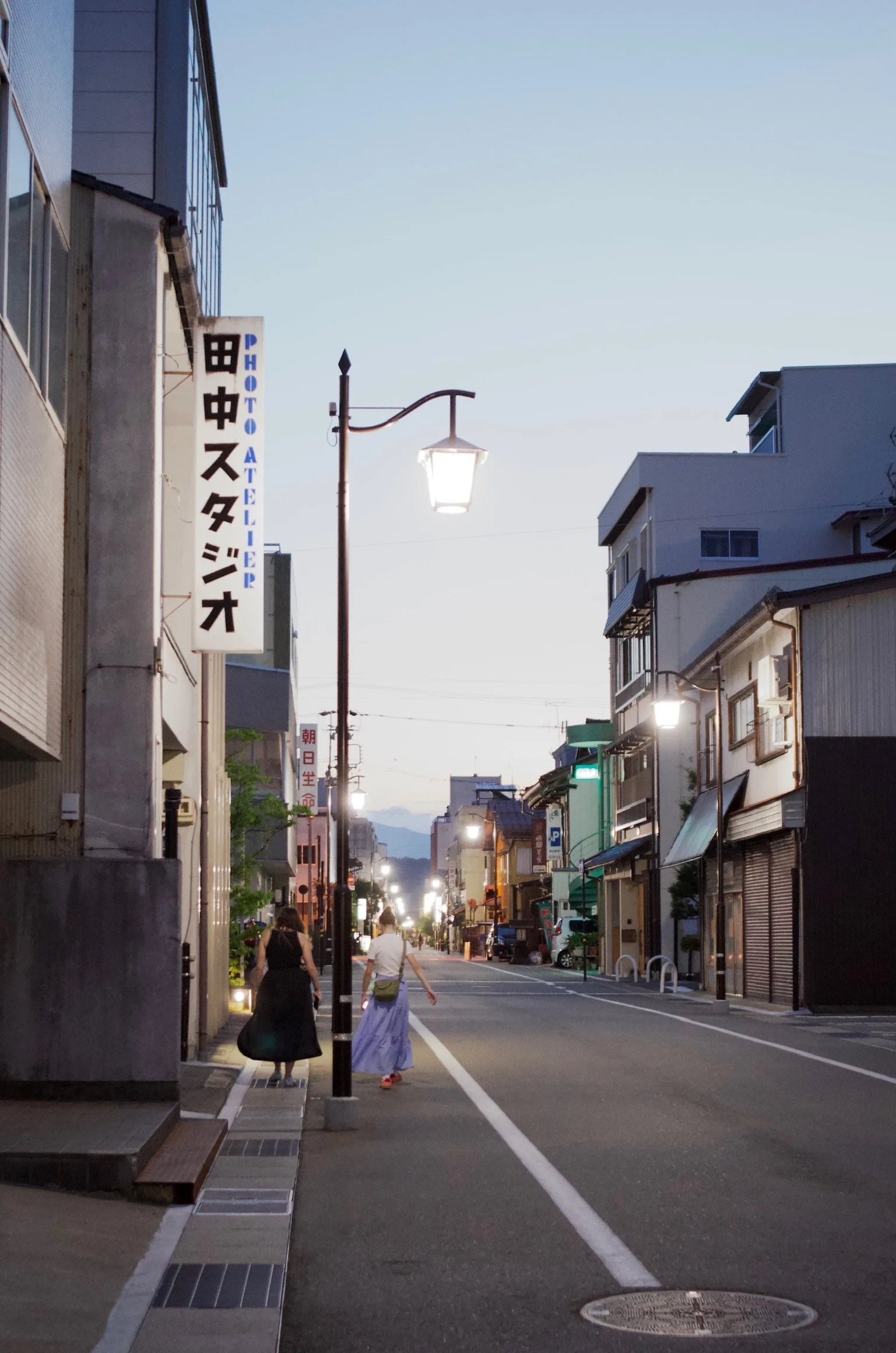
We started in Takayama's historic district, particularly the old merchant streets around Sanmachi.
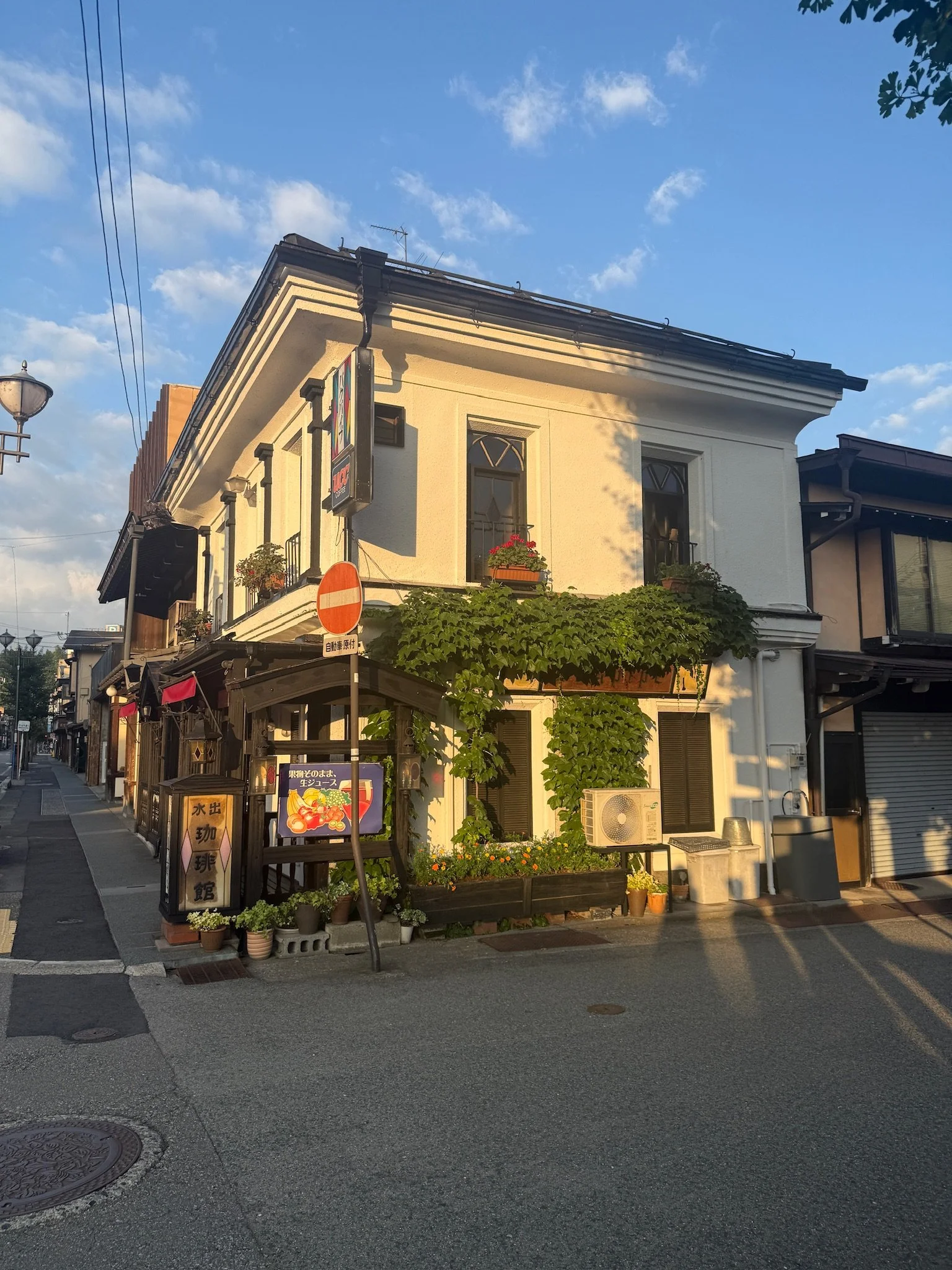
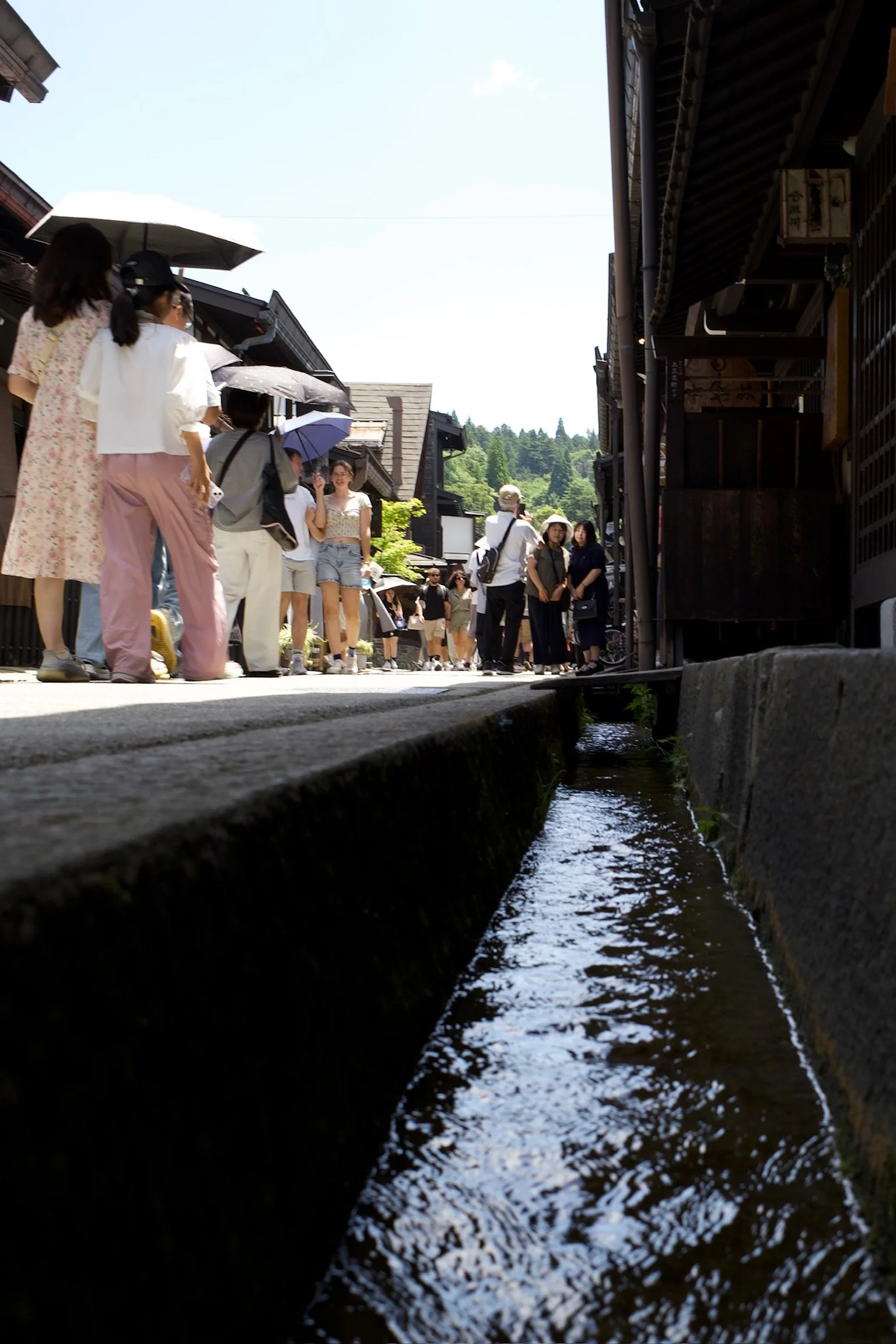
This is the Takayama that tends to appear in photographs: rows of dark machiya, sake breweries marked by cedar balls hanging outside, little shops tucked behind wooden fronts and narrow canals running alongside the streets.
There are plenty of visitors, but wander a block or two away from the busiest stretch and Takayama becomes considerably quieter. That was where we liked it most.
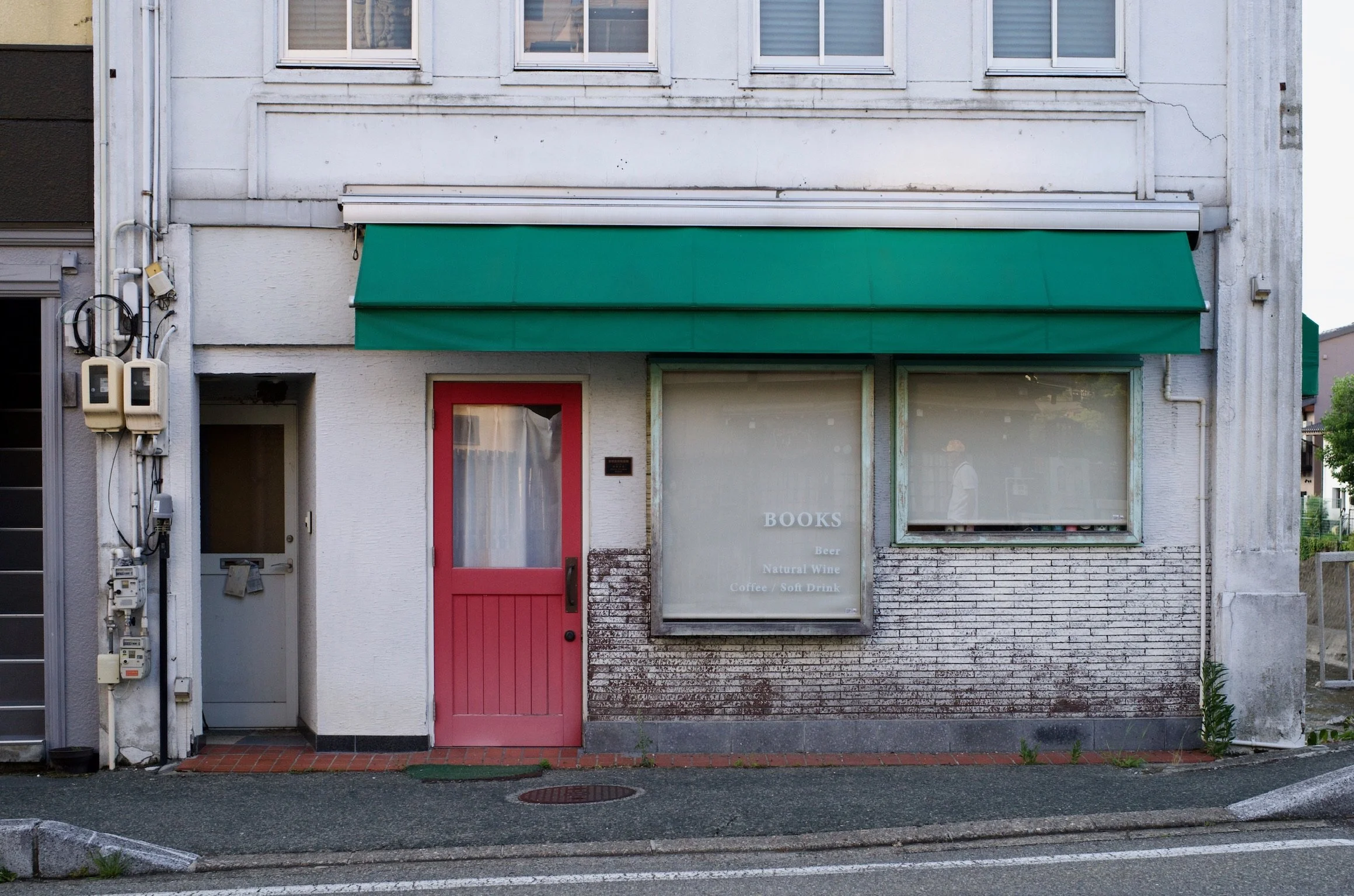
We stopped into antique shops as we went, including Kuratsubo, looking through ceramics, old household objects and things whose original purpose wasn't always immediately obvious. Antique stores are one of our favorite ways to understand a place when traveling. The objects can seem ordinary but collectively they tell you something about how people here lived.
Eating our way through Sanmachi
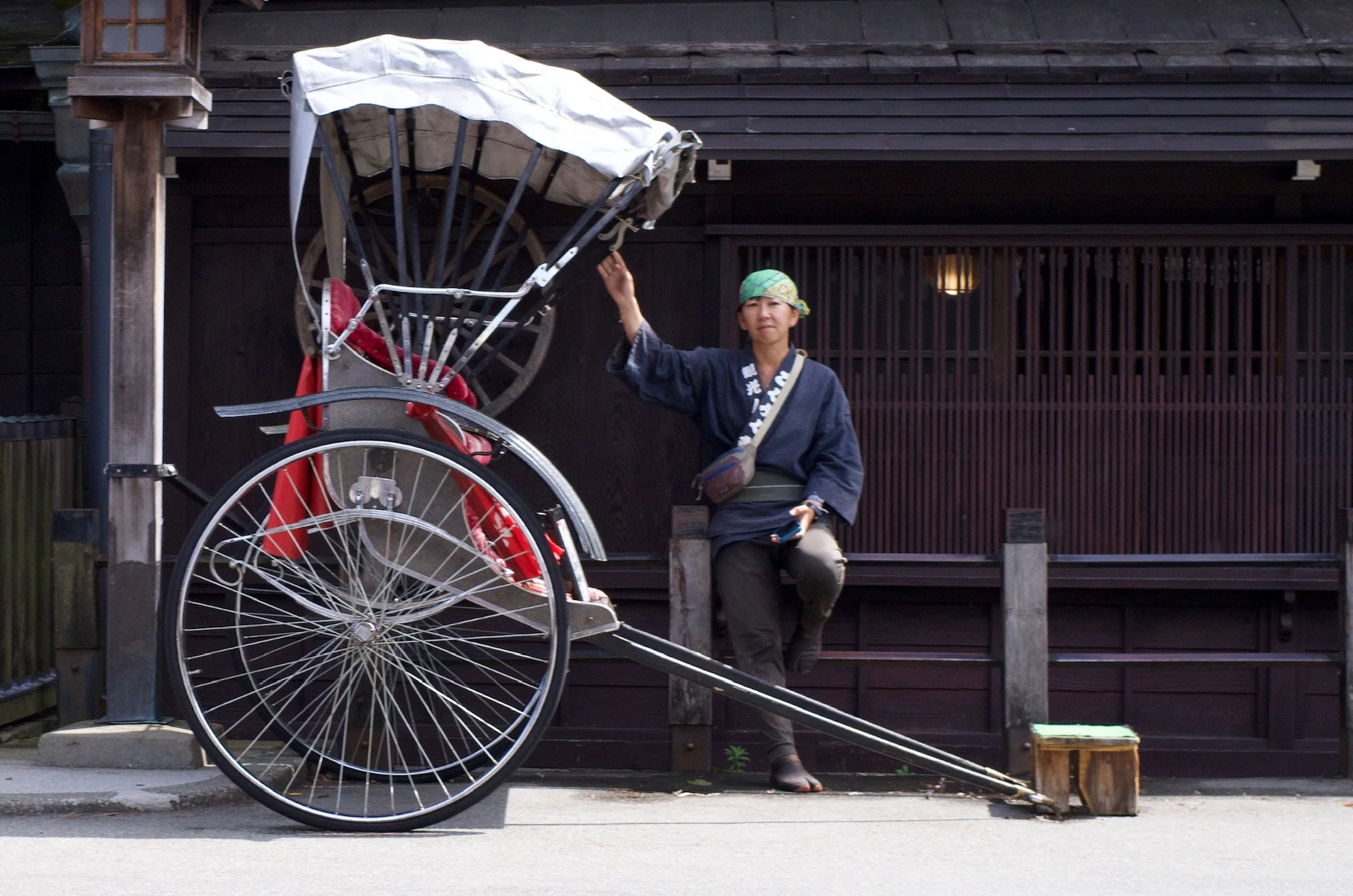
Takayama is in the heart of Hida cattle country, which means Hida beef appears everywhere, from restaurants serving elaborate meals to tiny street windows handing food directly over the counter.
We chose plenty of the latter.
At Rokujyuban, we stopped for a Hida beef skewer, eaten outside before continuing to wander the old streets. Then came mitarashi dango, grilled rice dumplings brushed with soy sauce. Unlike the sweeter version found elsewhere in Japan, Takayama's local style is savory and slightly smoky from the grill.
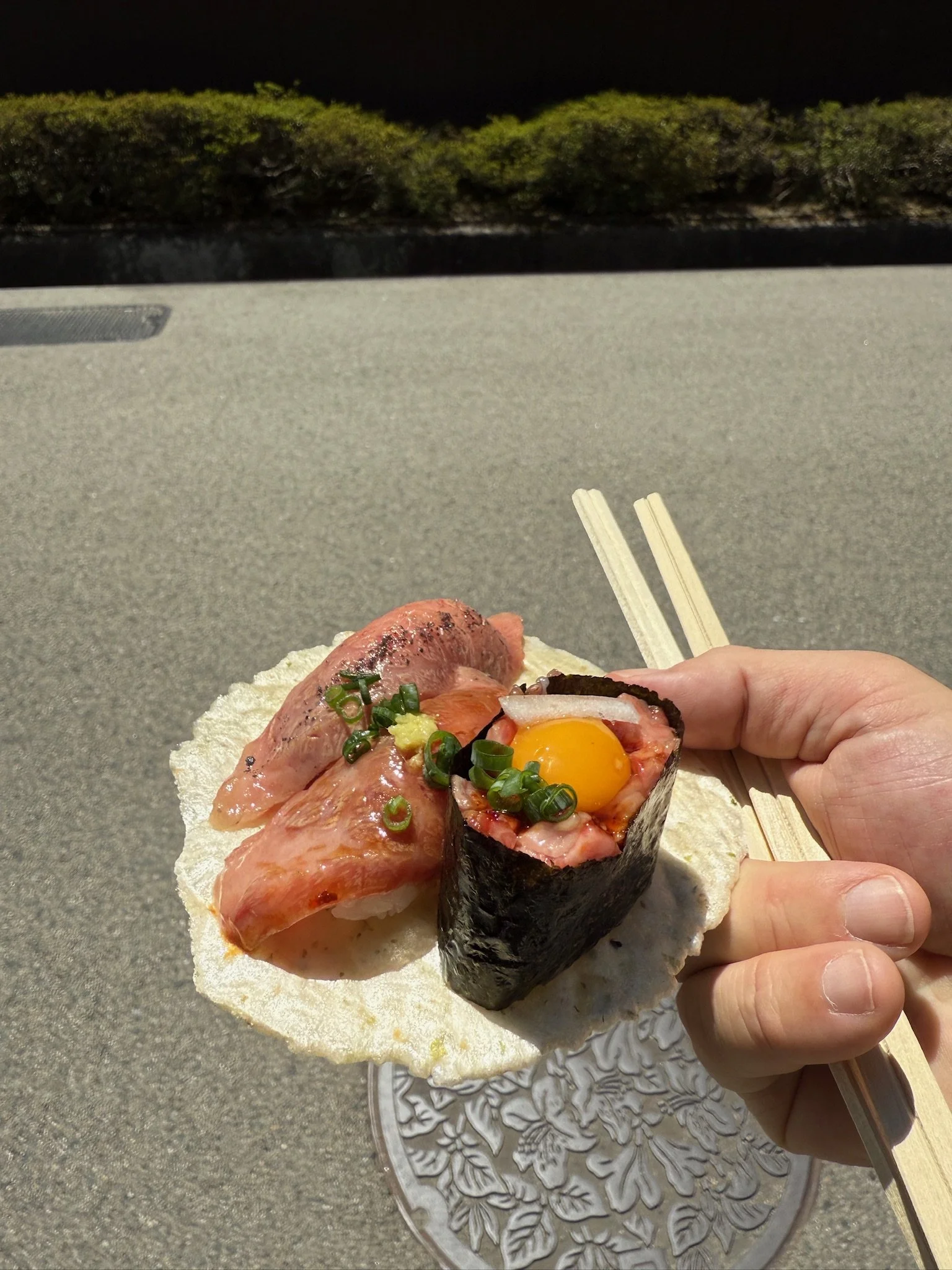
Hida Kotte Ushi was another stop, this time for Hida beef sushi: thin slices of beef served over rice and presented on an edible senbei cracker instead of a disposable plate. We also stopped at Kiyo Musubi for some of the best onigiris we’ve ever tasted.
None of these needed to be a full meal. That was part of the fun. Takayama lends itself particularly well to eating incrementally - one thing here, another a few streets later.
But one of our favorite meals was also one of the simplest.
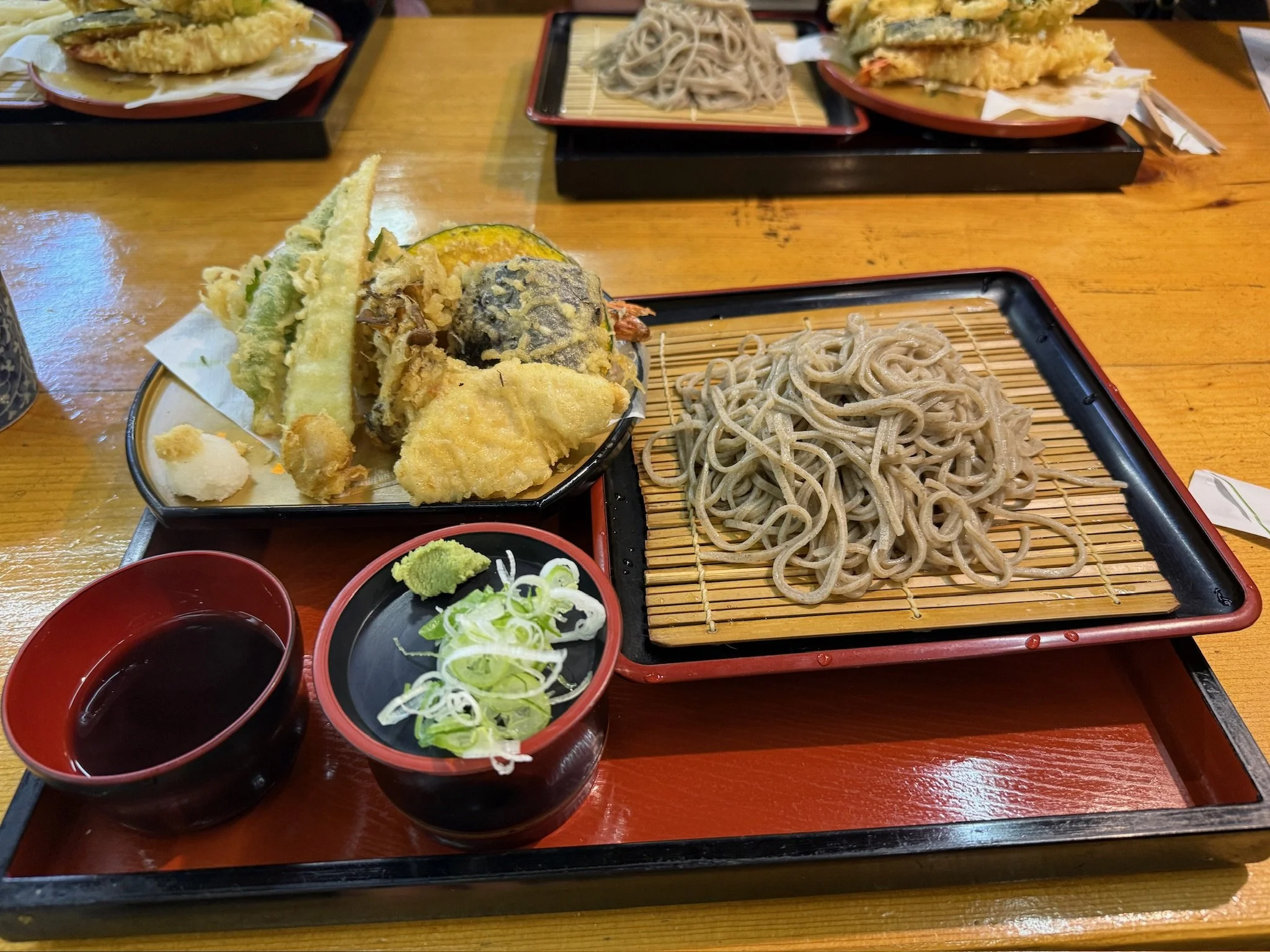
For lunch at Hida, we took off our shoes and settled onto the tatami around a low table, surrounded mostly by working people on their lunch break. We ordered cold soba and tempura.
There was nothing particularly elaborate about it, and that was exactly why we liked it. After a morning spent walking through streets that draw visitors precisely because of their history, lunch felt completely ordinary and present-day. People came in, ate and went back to work. We happened to be there among them, eating crisp tempura and cold noodles from a low table on the floor.
A detour into Showa Japan
Then Takayama gets a little weirder.
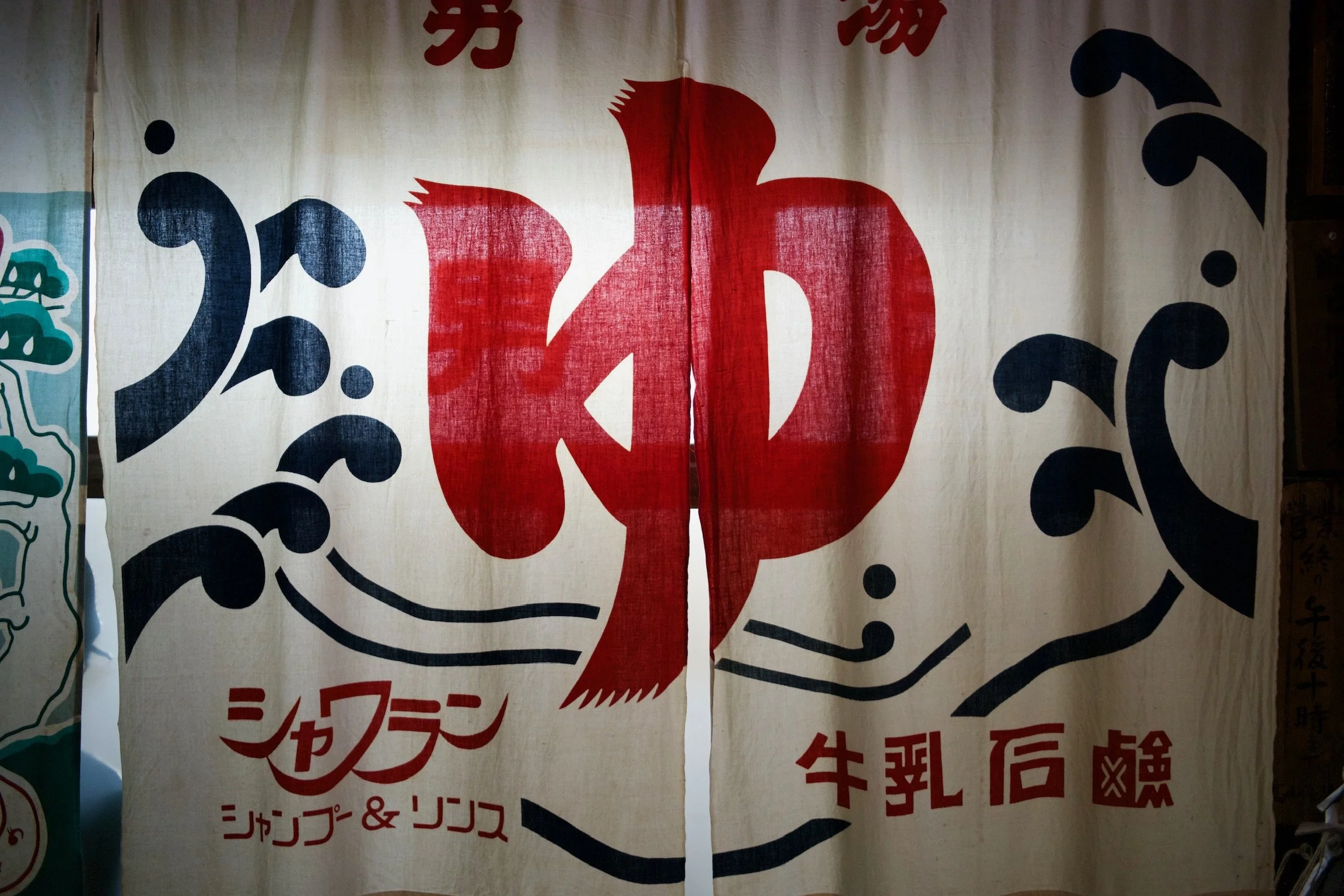
The Showa-kan Museum recreates everyday Japan during the Showa era, particularly the postwar decades. Step inside and the restrained historic streets outside give way to old advertisements, retro storefronts, toys, household goods, signs, classrooms and rooms crowded with objects from mid-century Japan.
It is cluttered, colorful and nostalgic.
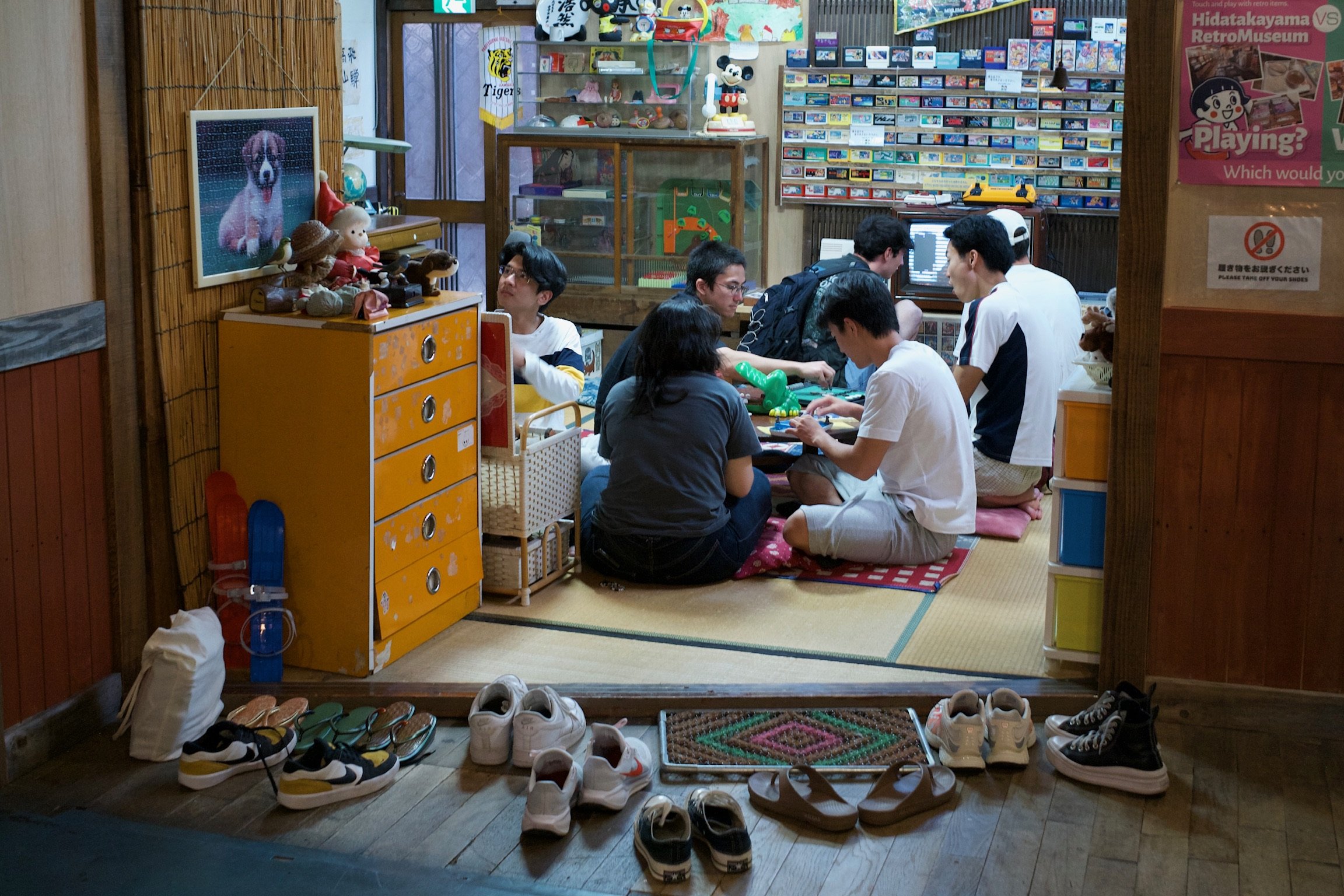
Later, we visited the Hida Takayama Retro Museum, which plays with much of the same nostalgia. Together, the two museums create an interesting counterpoint to the version of Takayama found outside. Much of the city encourages you to look back several centuries. These places ask you to look back only a few decades.
Into the hills
One of the best shifts in Takayama happens when you leave the commercial streets and start toward the eastern edge of town.
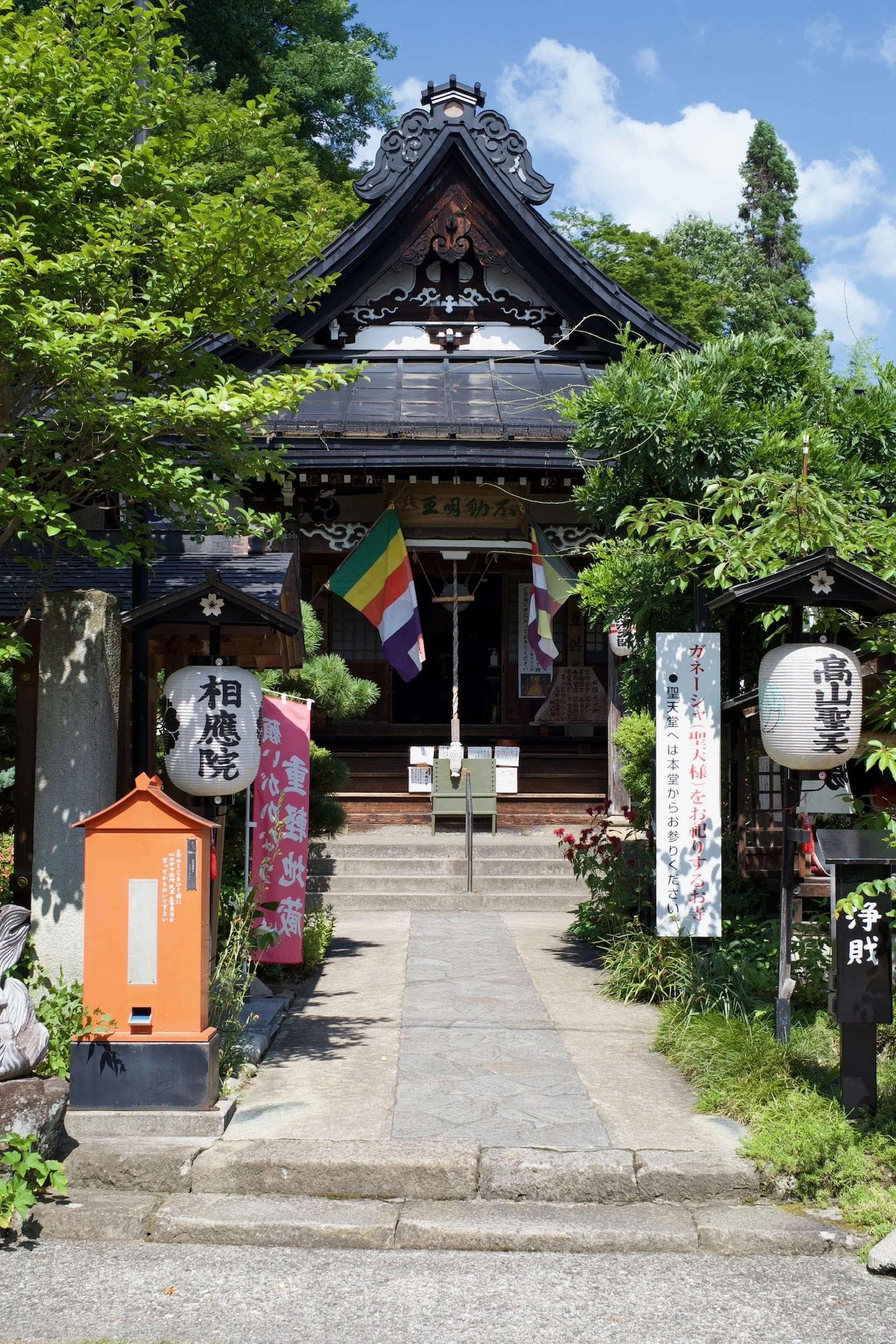
The Higashiyama Walking Course follows a quieter part of the city through temple grounds, shrines, cemeteries and wooded paths. The area was modeled after Kyoto's Higashiyama district when temples were established here during Takayama's development as a castle town and it feels distinctly removed from the activity around Sanmachi.
You don't necessarily need to complete the entire route. We treated it more as an invitation to wander, following paths toward shrines, passing old wooden buildings and getting glimpses of Takayama away from its shops and restaurants.
On the northern side of the old town, Sakurayama Hachimangu is one of Takayama's most important Shinto shrines and the setting for the autumn Takayama Festival.
Nearby, Yatai Kaikan houses several of the elaborate festival floats used during the celebration. Even without being in town for the festival itself, seeing them up close gives some sense of its scale: enormous structures covered in carved wood, metalwork, lacquer and textiles, built with the same attention to craftsmanship that seems to run throughout the city.
Small details
Some of our favorite things in Takayama were considerably less monumental.
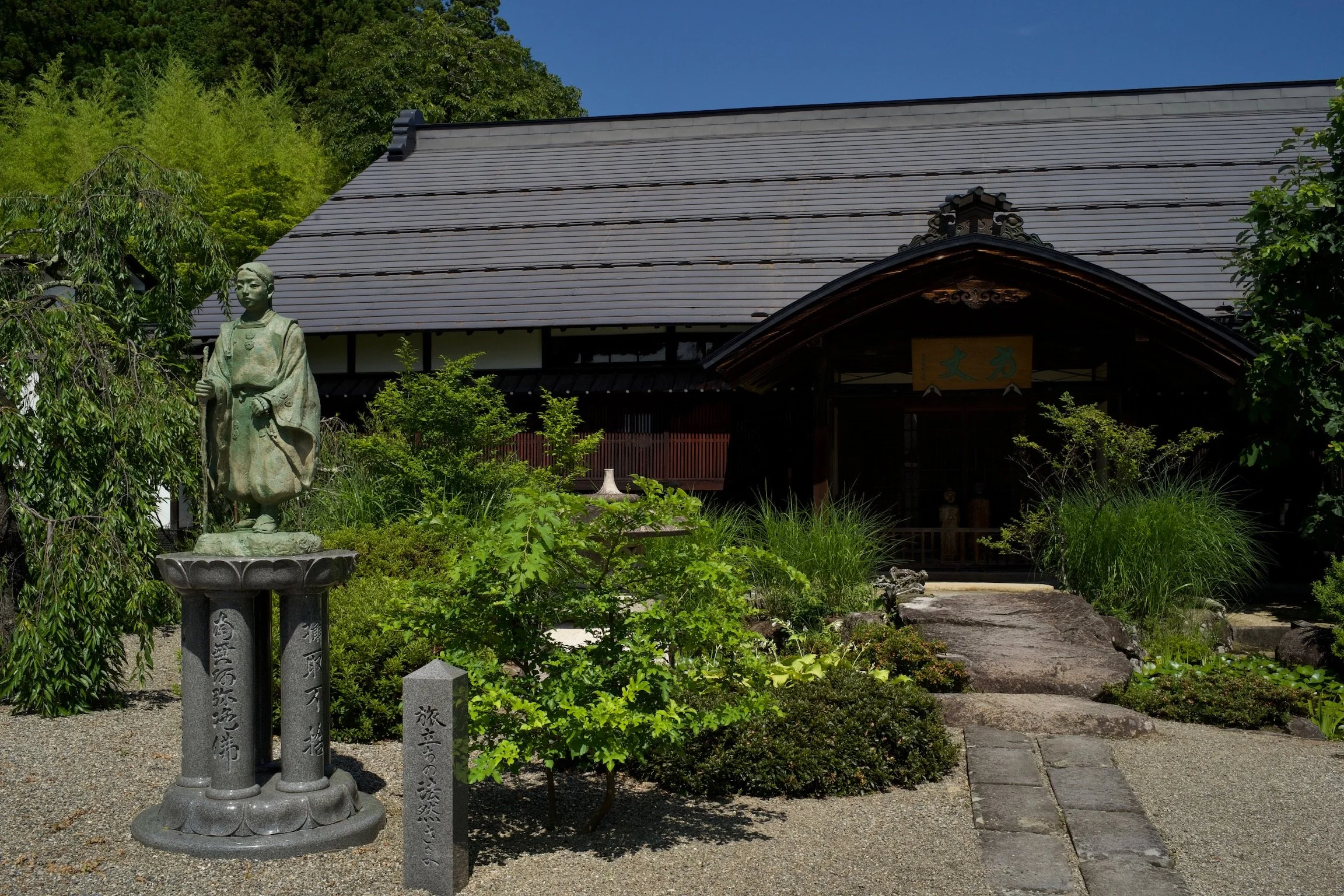
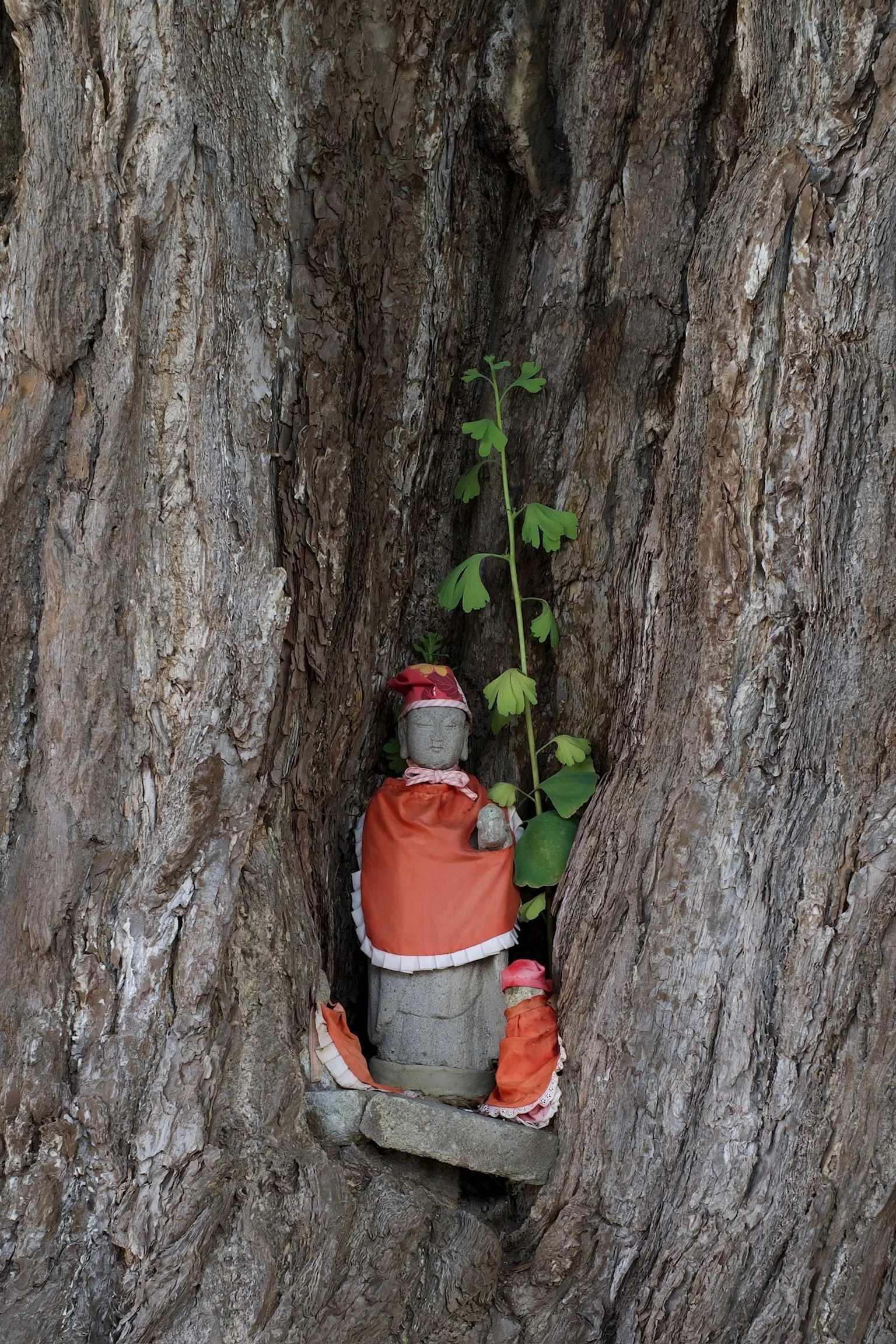
At Hida Kokubun-ji, an ancient Buddhist temple in the center of town, we found sarubobo - the little faceless dolls associated with the Hida region.
Traditionally made from red cloth, sarubobo were given as charms for good fortune. Today they appear everywhere in Takayama, dangling from shop displays and filling souvenir shelves in seemingly every possible size and color. Here, though, they felt connected to the place rather than simply sold by it.
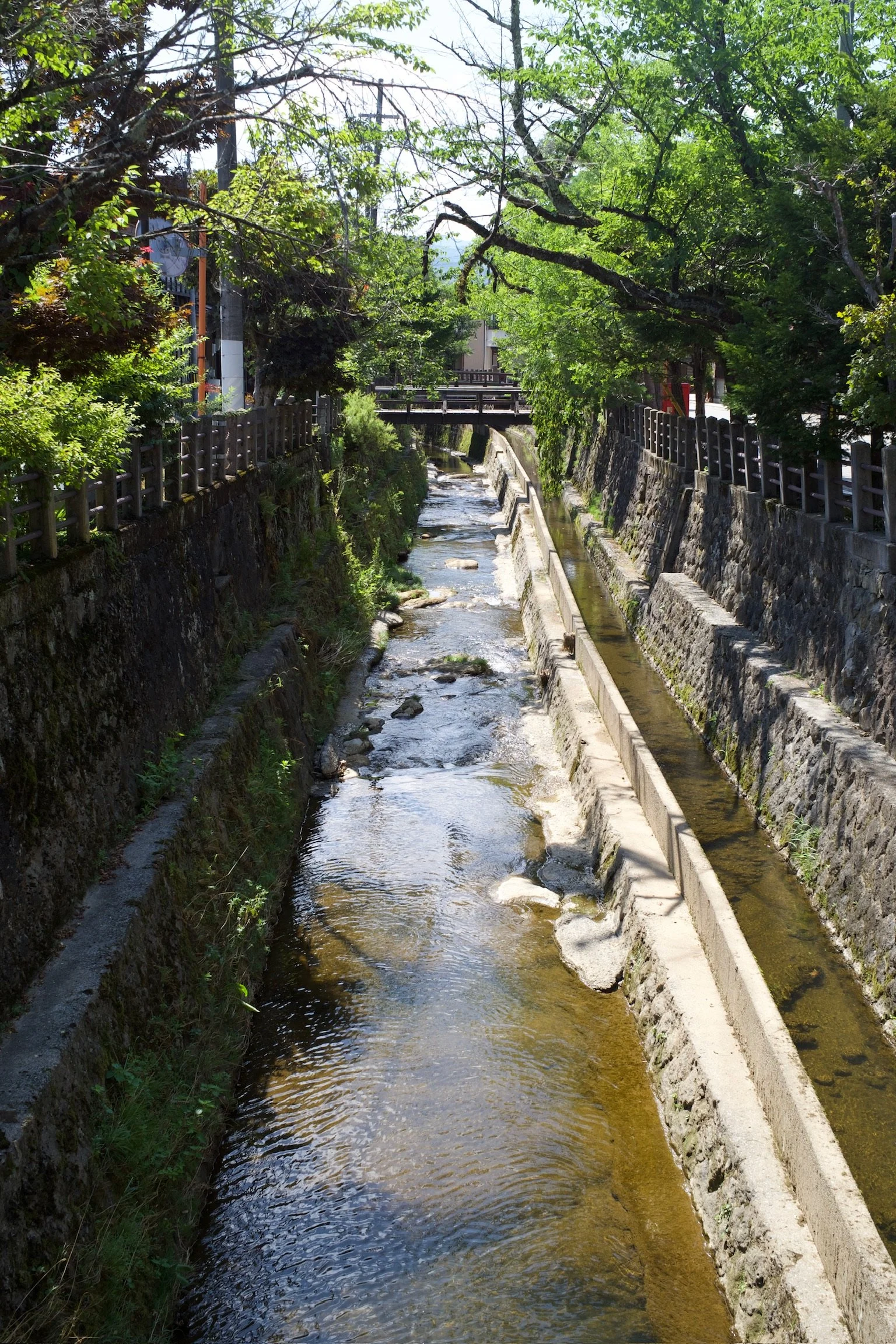
We wandered back through town toward Nakabashi, the distinctive red bridge spanning the Miyagawa River. It is one of Takayama's most photographed landmarks, but the river itself is worth following beyond the bridge.
A city made for wandering
There are bigger sights elsewhere in Japan. Takayama isn't a place that overwhelms you with monuments. Its appeal is cumulative.
It's the dark timber buildings and narrow streets. Smoke rising from a dango grill. A piece of Hida beef eaten standing outside a shop. Cold soba at a tatami table surrounded by locals. Old ceramics stacked inside an antique store. A stone path disappearing toward a temple. A bright red bridge crossing the river. A room filled with objects from 1960s Japan.
Even the architecture rewards looking closer. Takayama's history of woodworking isn't confined to museums or temples; it's written into storefronts, eaves, screens, beams and facades throughout the old city.
We also used Takayama as our base for a half-day trip into the mountains to Shirakawa-go, but Takayama deserves time of its own rather than being treated simply as the place you sleep on the way there. Give it at least a full day. Don't schedule every hour.
Walk. Eat something. Go into the antique shop. Follow the path toward the shrine. Stop when something catches your eye. Takayama is particularly good at rewarding that kind of travel.