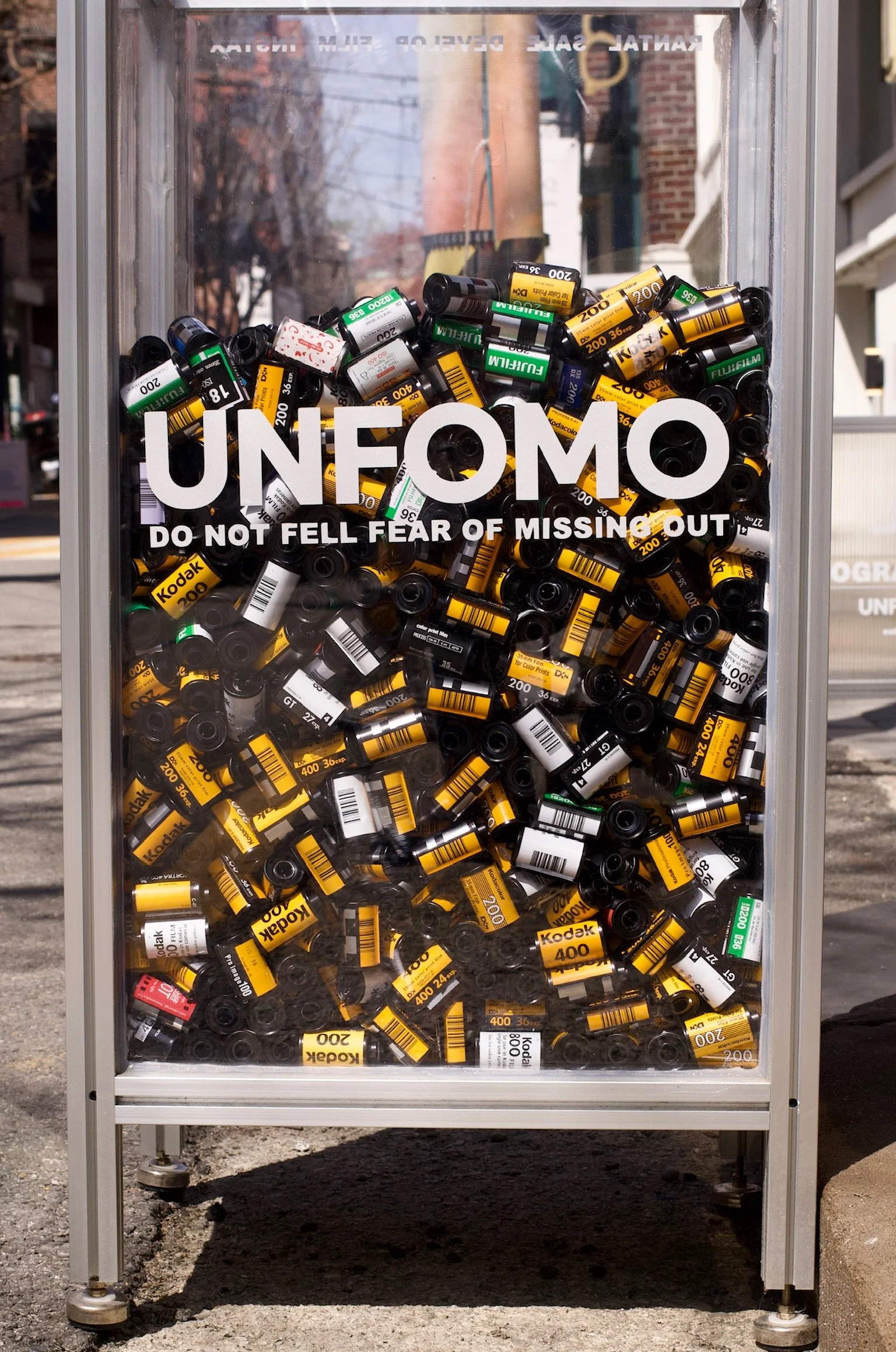
TAKE NOTES.
SEE.
Seoul Forest
Urban park
Seongsu Backstreets
Street style
HAUS NOWHERE SEOUL
Art + design
EAT.
Cafe Onion Seongsu
Coffee + pastries
Mesh Coffee
Specialty coffee
SHOP.
Point of View
Stationery
Adidas Originals Flagship
Sportswear
Visual Collect
Eyewear
EQL Seongsu Grove
Korean fashion
Musinsa Standard
Korean basics
Monami Store Seongsu
Stationery
There is a particular energy to Seongsu-dong on a weekend afternoon.
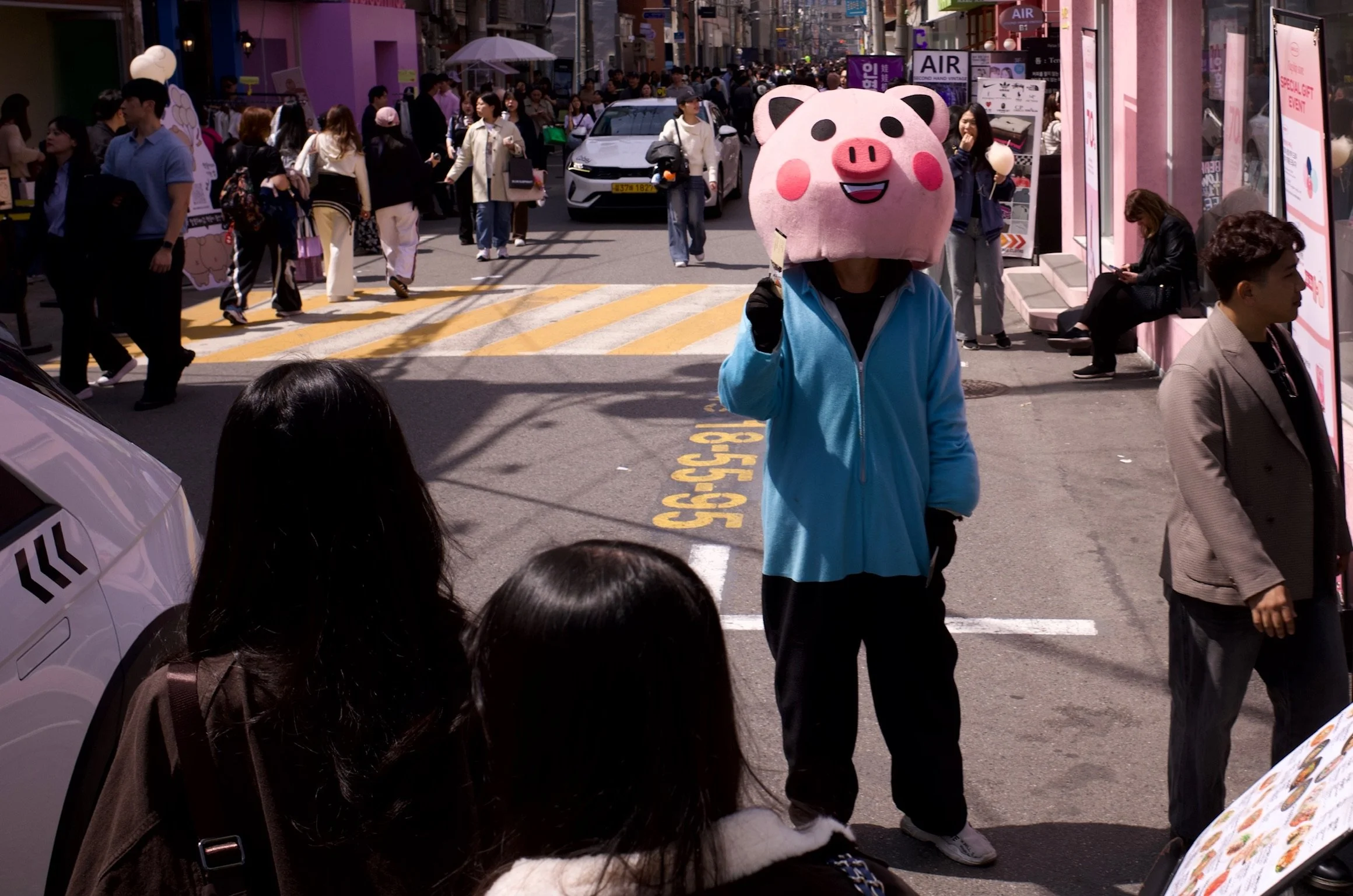
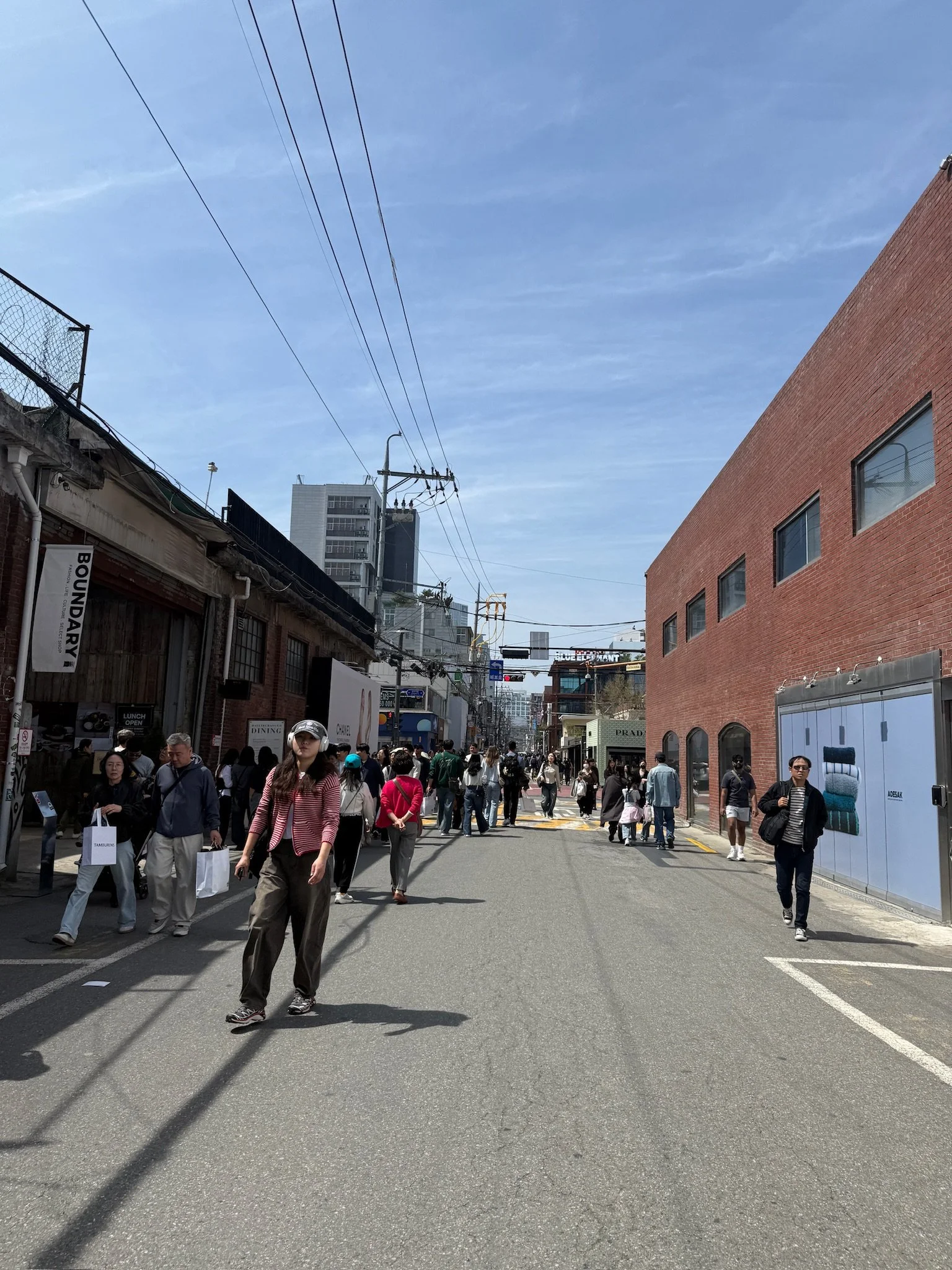
Young couples walk shoulder to shoulder carrying shopping bags. Groups of friends drift between stores, stopping for photos or joining a line outside the latest pop-up. Everyone seems exceptionally well dressed, but rarely in a way that feels overdone. Oversized jackets, wide-leg trousers, sneakers, baseball caps and carefully chosen accessories make the sidewalks feel like an extension of the shops themselves.
People come to Seongsu to shop, but half the appeal is everything happening between the stores.
From factories to fashion
Seongsu didn't always look like this.
For decades, this part of eastern Seoul was an industrial neighborhood filled with factories, warehouses, printing shops and workshops (particularly small shoemakers). Many are gone, but their buildings remain, and that industrial architecture has become part of Seongsu's identity.
Old brick warehouses now hold fashion stores. Concrete workshops have become cafés and galleries. Behind roll-up doors, there might be a pop-up for a Korean beauty brand or an installation from an international label.
The neighborhood's transformation has earned it comparisons to Brooklyn but that shorthand doesn't quite capture it. Seongsu feels distinctly Seoul: trends move quickly, retail is treated almost like entertainment and the experience of discovering a brand can matter nearly as much as buying something from it.
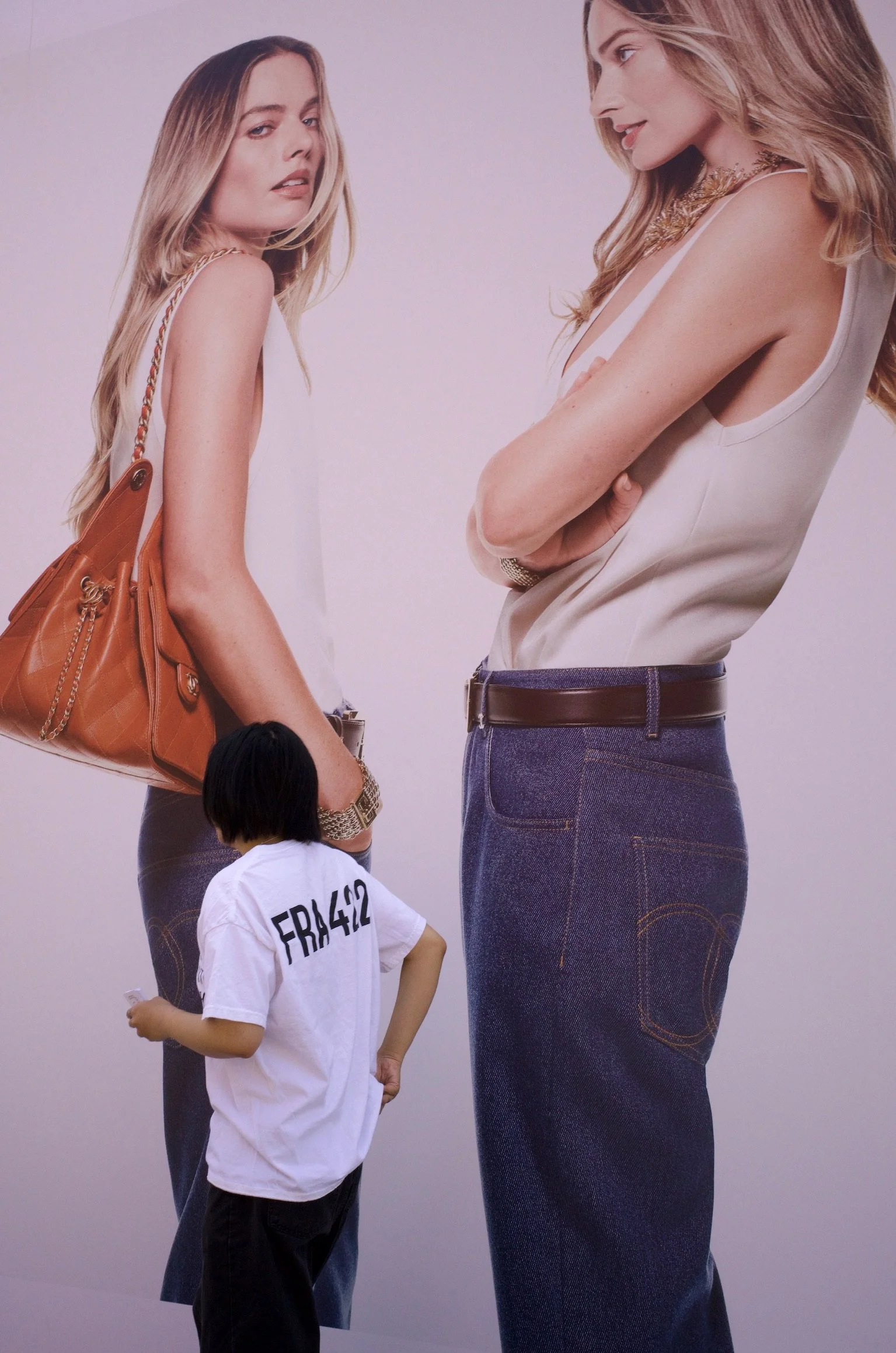
Around Seoul Forest
We started around Seoul Forest, where the neighborhood feels considerably greener and calmer.
The park provides an interesting introduction to Seongsu because it isn't what you expect from a neighborhood known primarily for shopping. Paths wind through trees and open lawns while apartment towers rise beyond them. Couples walk together, families spend time outside and people settle onto benches before heading back into the surrounding streets.
The blocks beside the park gradually introduce the Seongsu we'd come to see.
Small boutiques and cafés begin appearing between residential buildings. Storefronts get more considered. The crowds get younger. And eventually you realize you're no longer simply walking through a neighborhood, you've entered one of Seoul's biggest retail scenes.
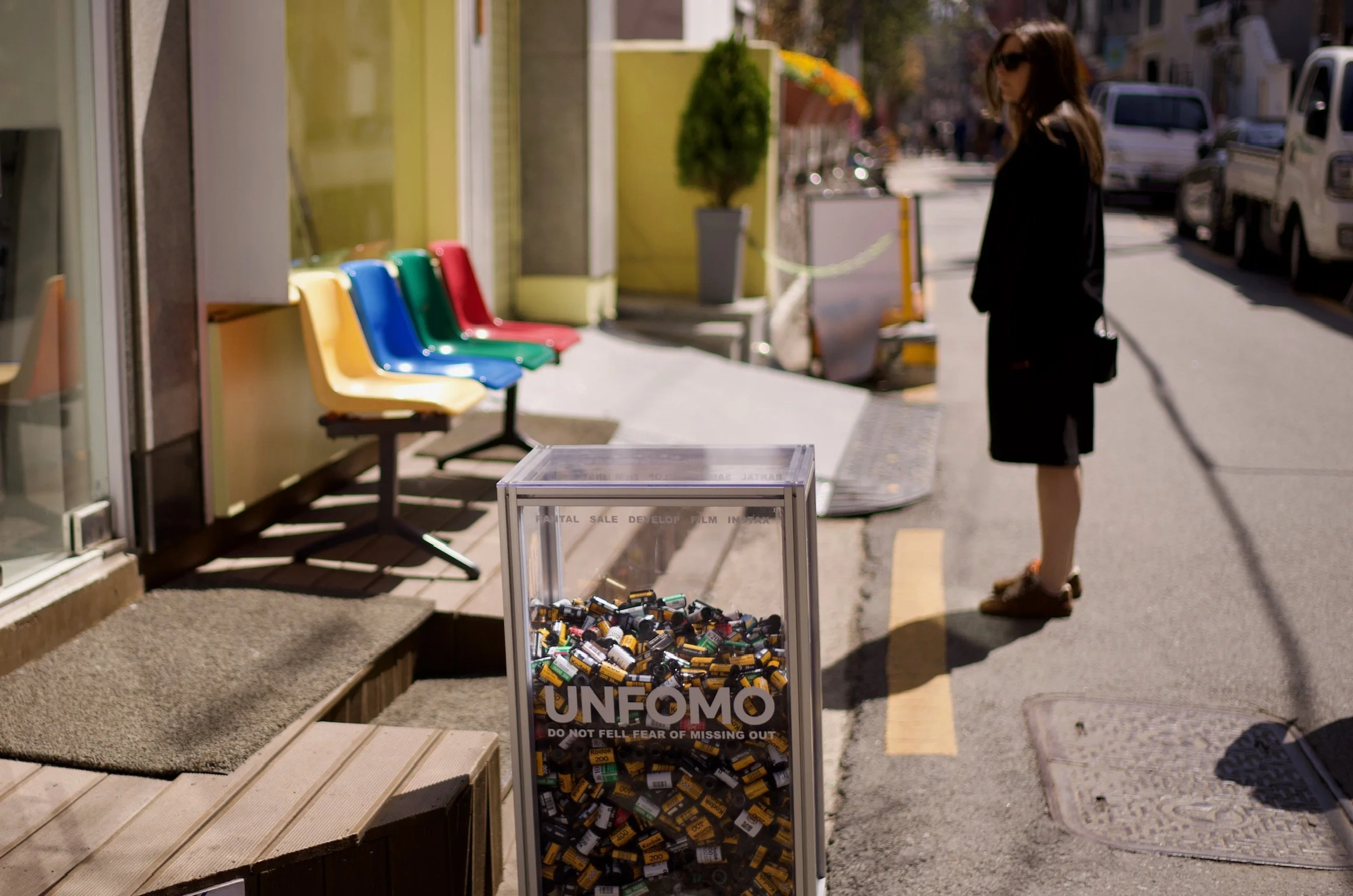
Shopping as a spectator sport
We spent most of our time doing exactly what everyone else seemed to be doing: wandering from store to store.
Point of View was one of our first stops, packed with the kind of stationery, notebooks, pens and small objects that are hard to walk away from empty-handed.
From there, the scale of the shopping changed quickly.
The Adidas Originals flagship is less a conventional sportswear store than a statement about the neighborhood itself. Musinsa Standard, from one of Korea's biggest fashion platforms, offers a particularly good look at the clean silhouettes and relaxed proportions that seem almost like a uniform on Seoul's streets.
EQL Seongsu Grove brings multiple contemporary labels together under one roof, while Visual Collect offers another reason to slow down and browse rather than simply shop with a list.
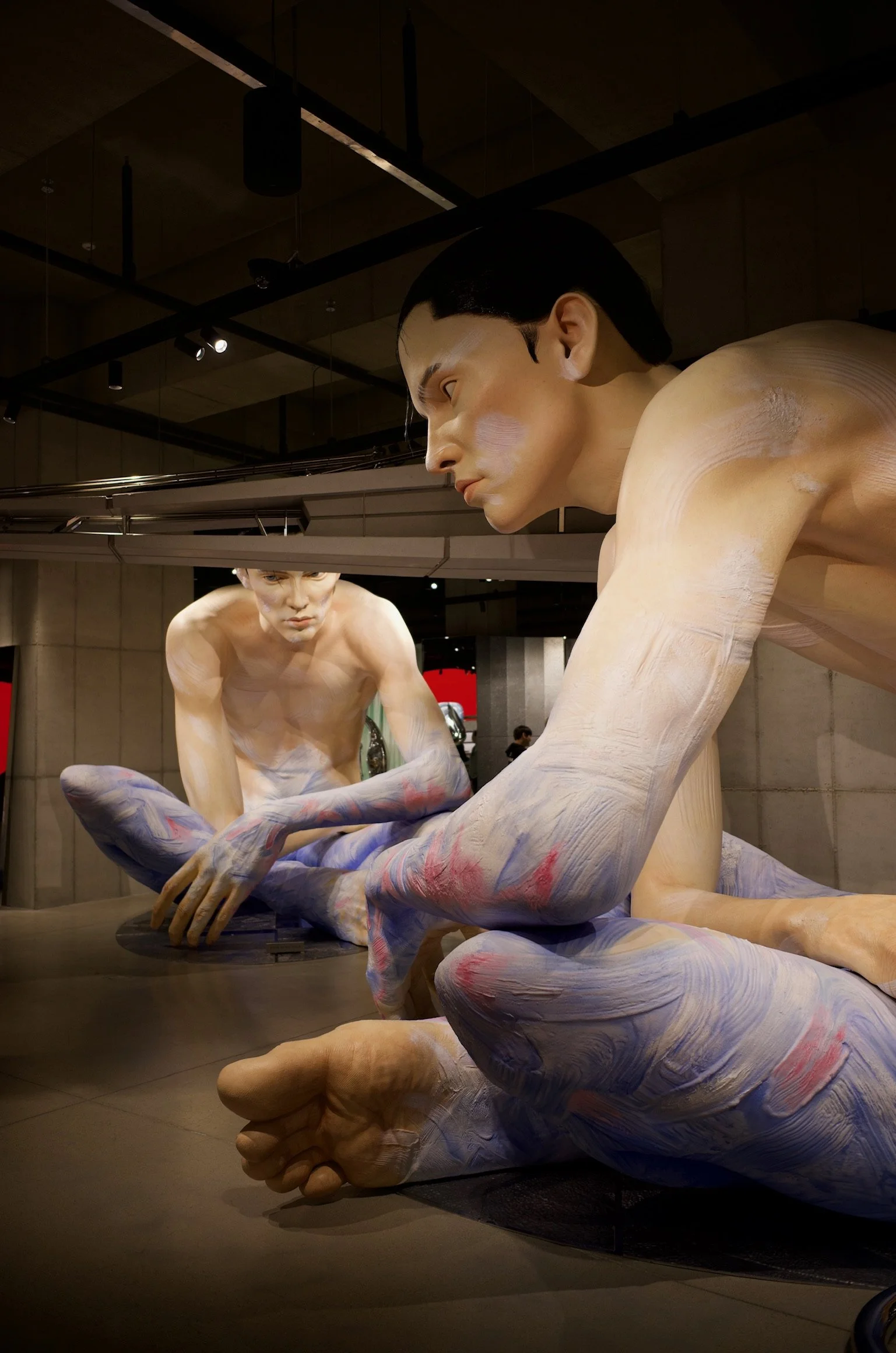
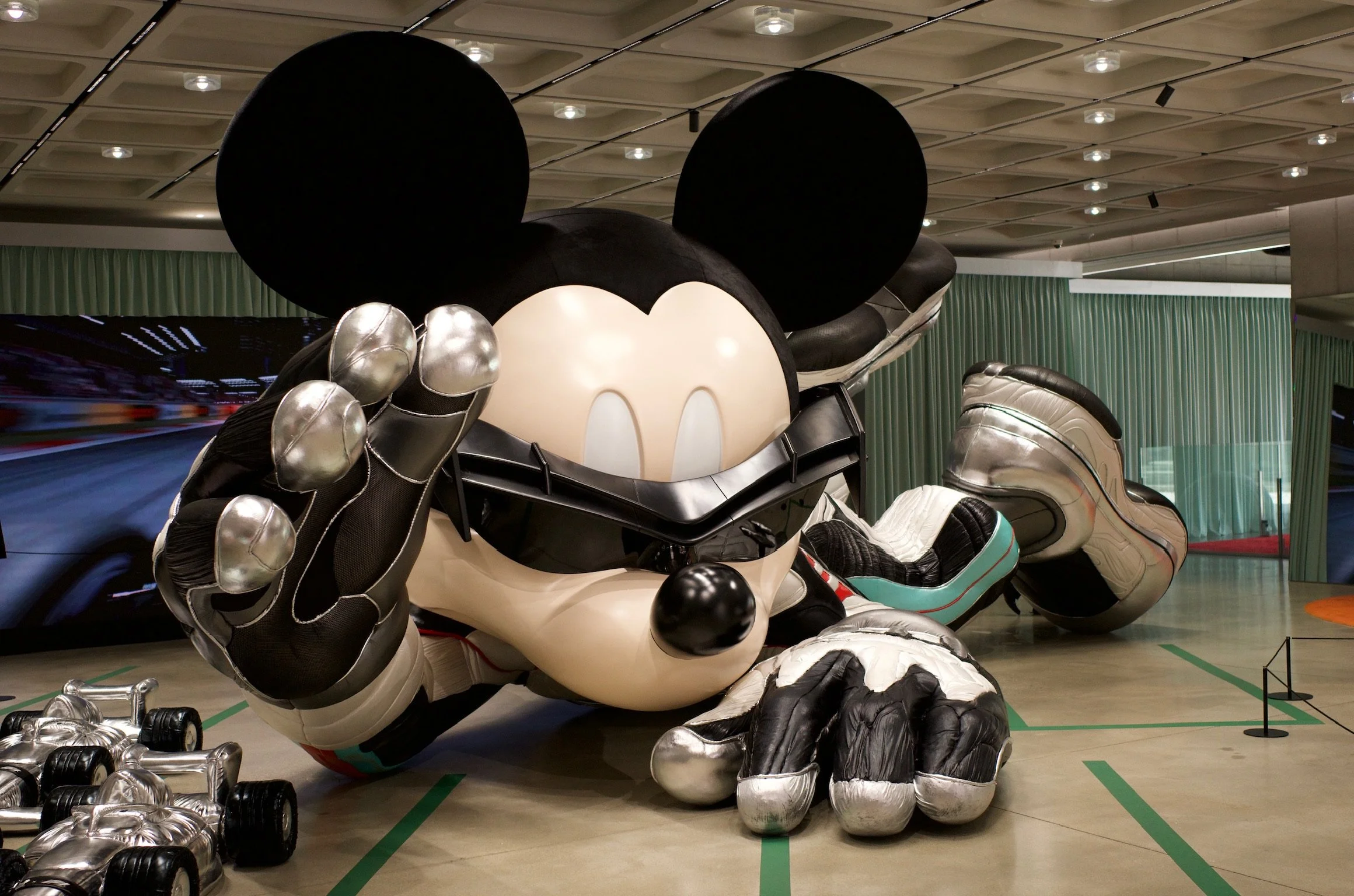
Then there’s HAUS NOWHERE SEOUL, which feels like stepping into another world entirely. The massive concrete space is dark, strange and theatrical, with oversized installations appearing between displays of eyewear, fashion and objects. You move from floor to floor never quite knowing what you’ll find next. At times it feels like a store, at others a gallery or film set.
Watching Seongsu
But the best part of the neighborhood was outside the stores. Seongsu is exceptionally good for people-watching.
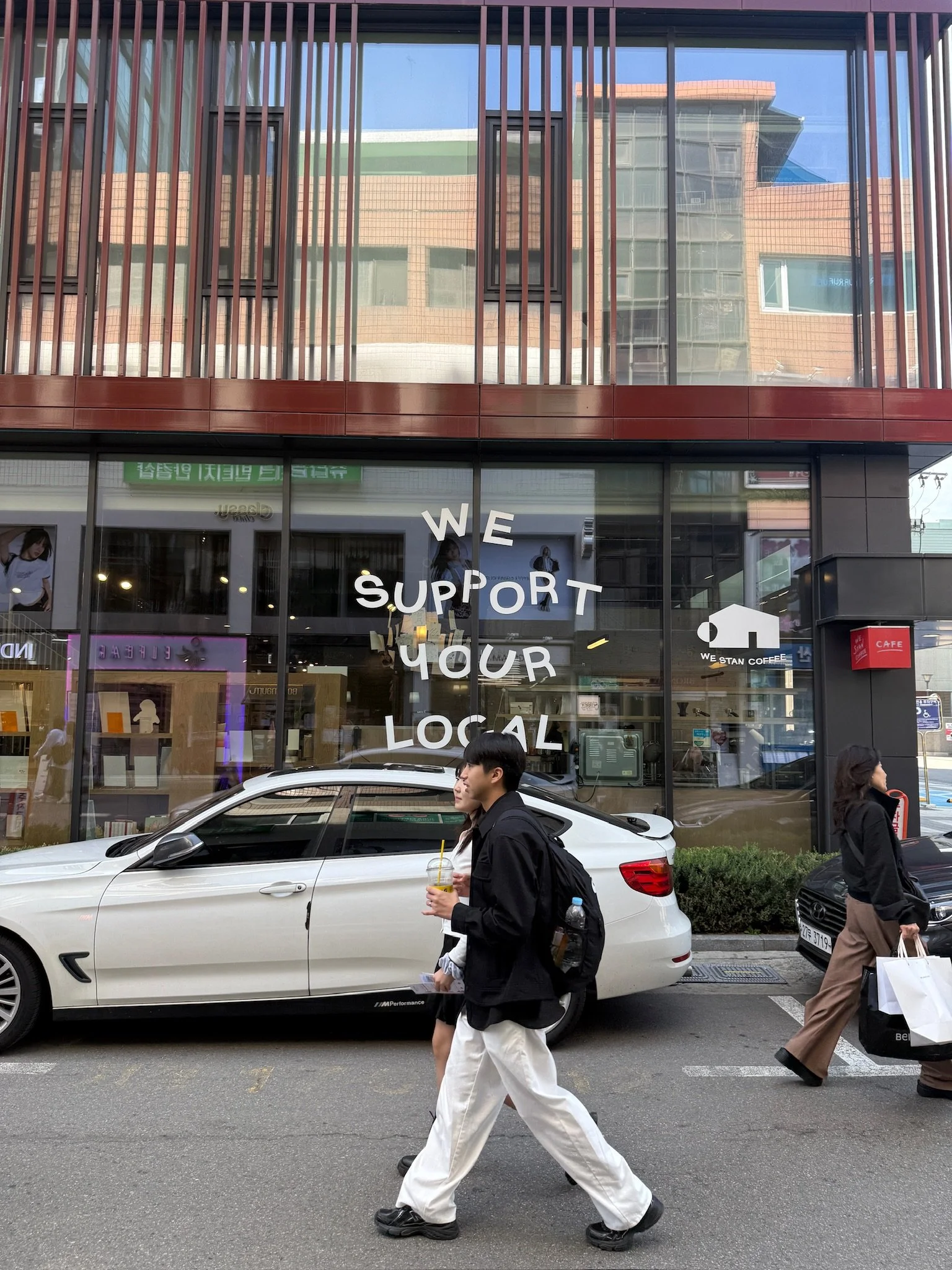
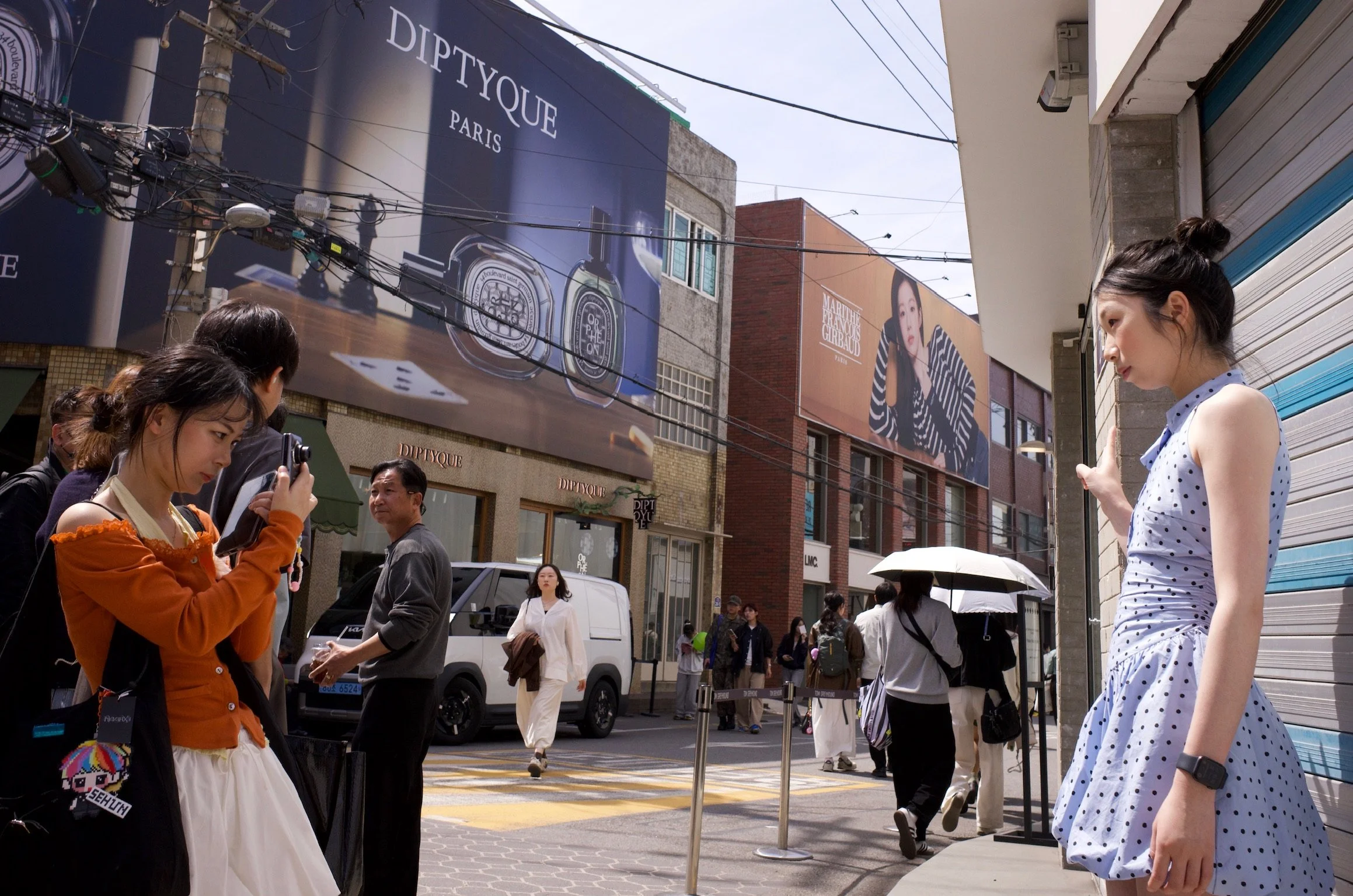
We kept noticing young couples whose outfits seemed unintentionally coordinated. Groups of friends moved together from one shop to the next, comparing purchases and taking turns photographing each other. People stood outside cafés with immaculate coffees and equally immaculate clothes. Shopping bags accumulated as the afternoon went on.
There was an obvious awareness of style, but also a playfulness to it.
Seoul is already a city where presentation matters but in Seongsu you can watch trends happening in real time. A particular sneaker appears again and again. Silhouettes repeat. Someone walks past wearing something you wouldn't have thought to put together, and ten minutes later you notice another version of it.
The street becomes its own kind of lookbook.
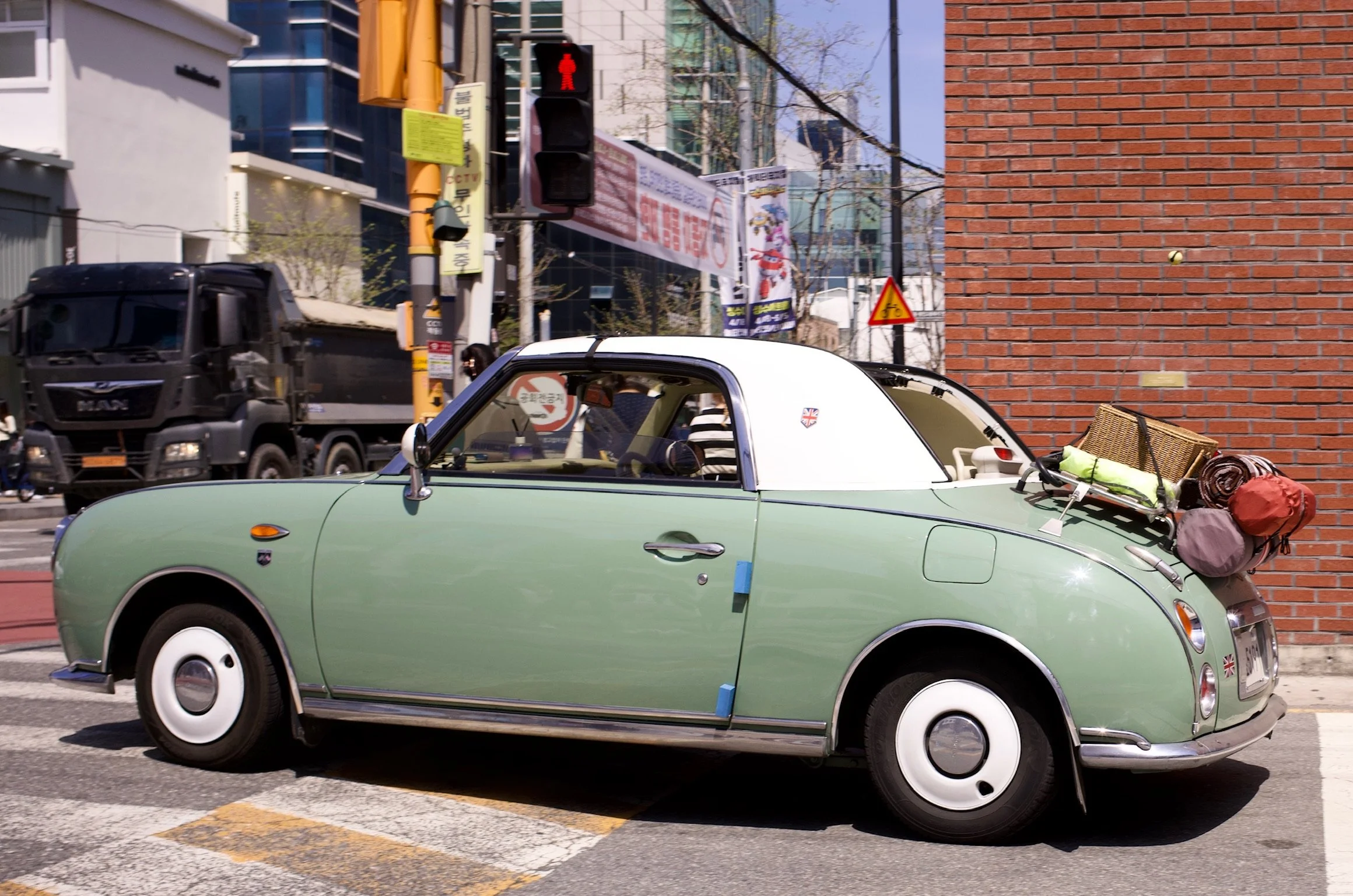
That made Seongsu particularly fun to photograph. The industrial buildings provide the backdrop - brick, concrete, loading doors, exposed pipes - while the people provide almost everything else.
Old architecture. New clothes.
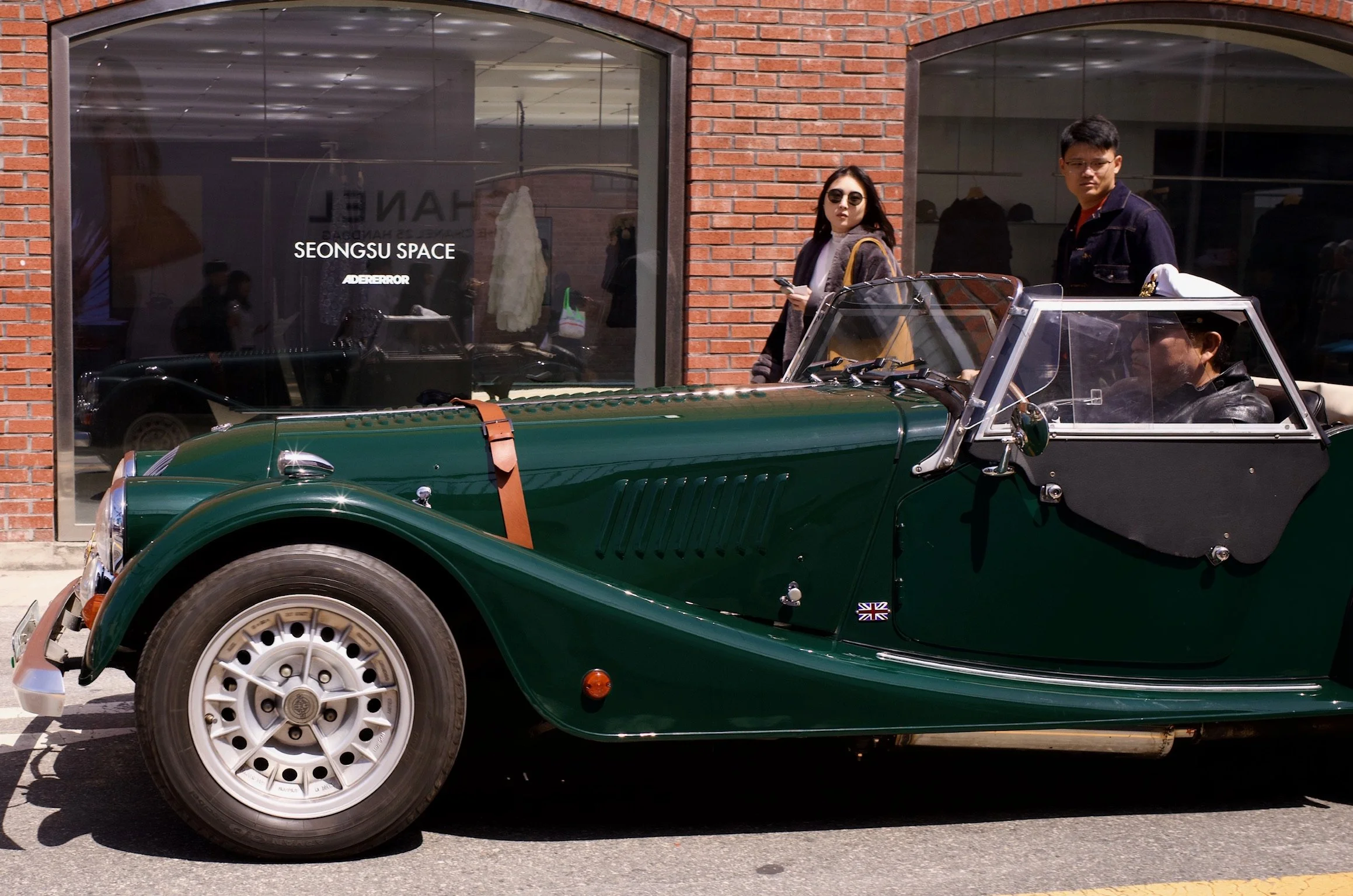
A neighborhood built around what's next
There is an irony to Seongsu's popularity.
Much of what makes the neighborhood visually distinctive comes from an industrial past that has increasingly been replaced by the fashionable businesses drawn to that very aesthetic. The old factories are now desirable precisely because they don't look like conventional retail spaces.
For now, though, those layers still coexist.
Walk long enough and a polished flagship gives way to an older workshop. A minimalist boutique sits beside a building that hasn't been renovated at all. Delivery scooters squeeze past people waiting outside elaborate pop-ups. Then, a few blocks later, the trees of Seoul Forest appear again.
It's messy in a way that makes the neighborhood more interesting.
We came to Seongsu to shop, and there is plenty worth shopping for. But what stayed with us was the atmosphere around it: the crowds, the clothes, the constant movement and the sense that everyone had come out for the same reason.
Not necessarily to buy something. Just to see what's happening.