Beyond the hanok village, a city best experienced slowly.
TAKE NOTES.
SEE
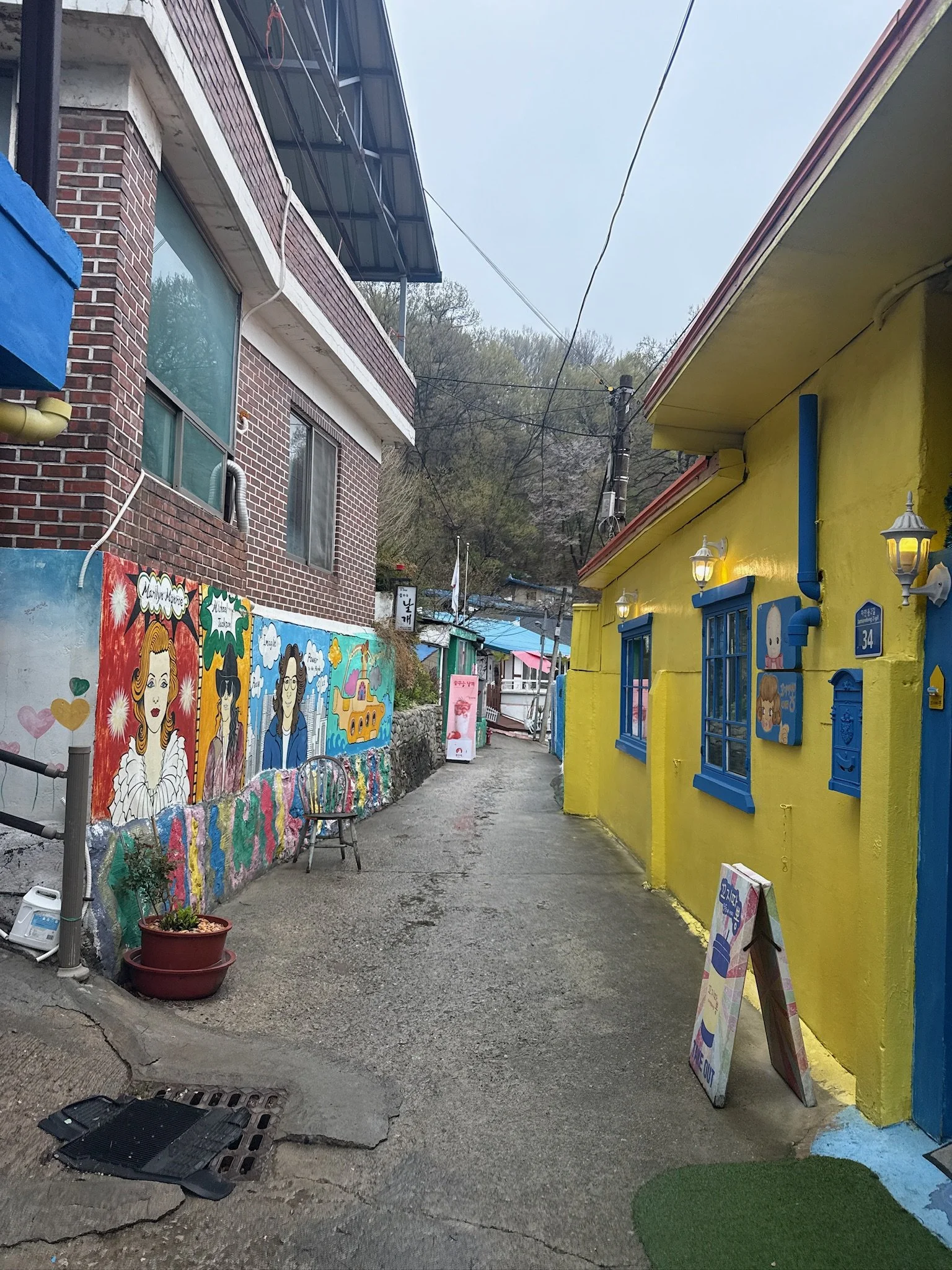
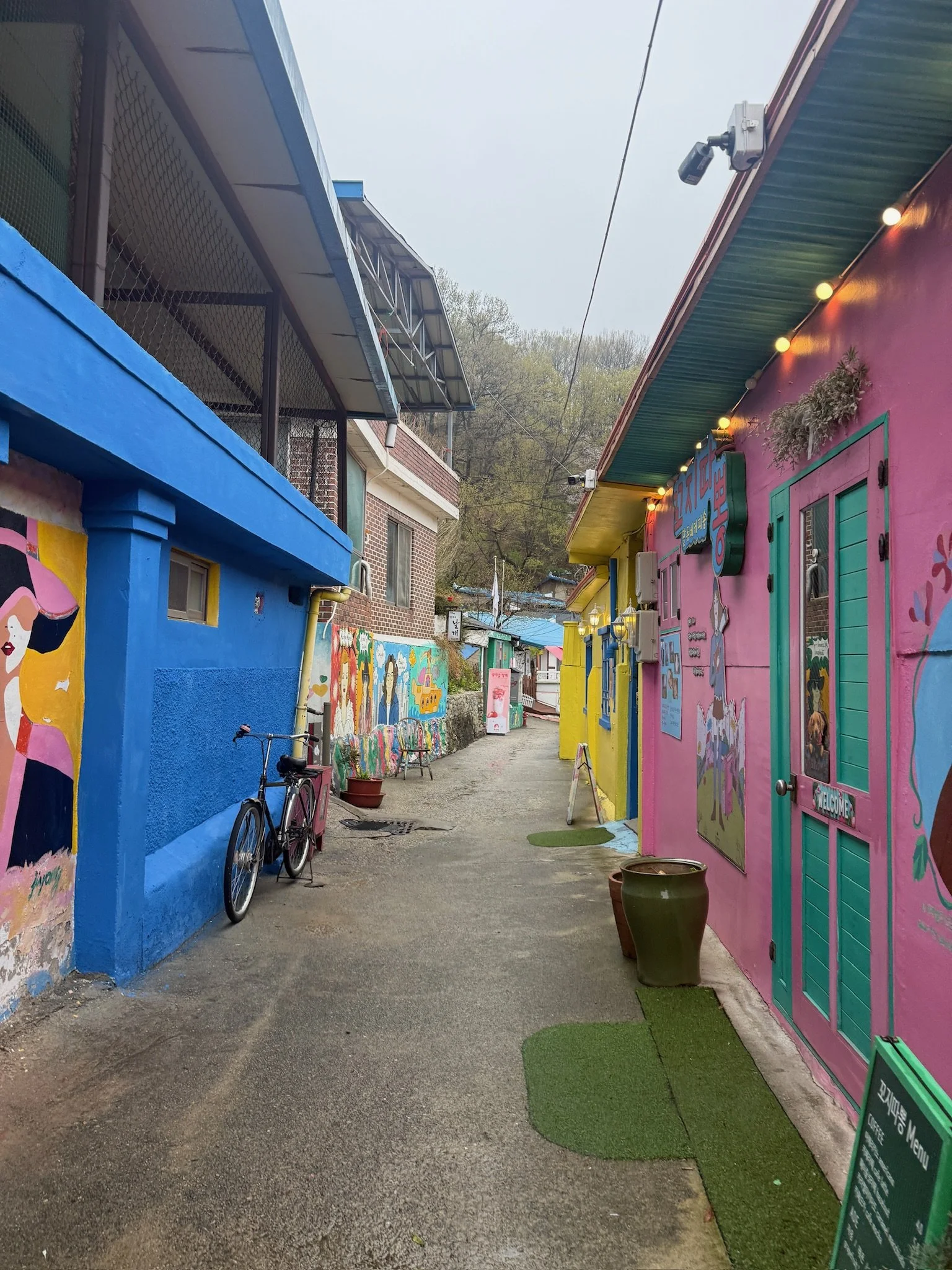
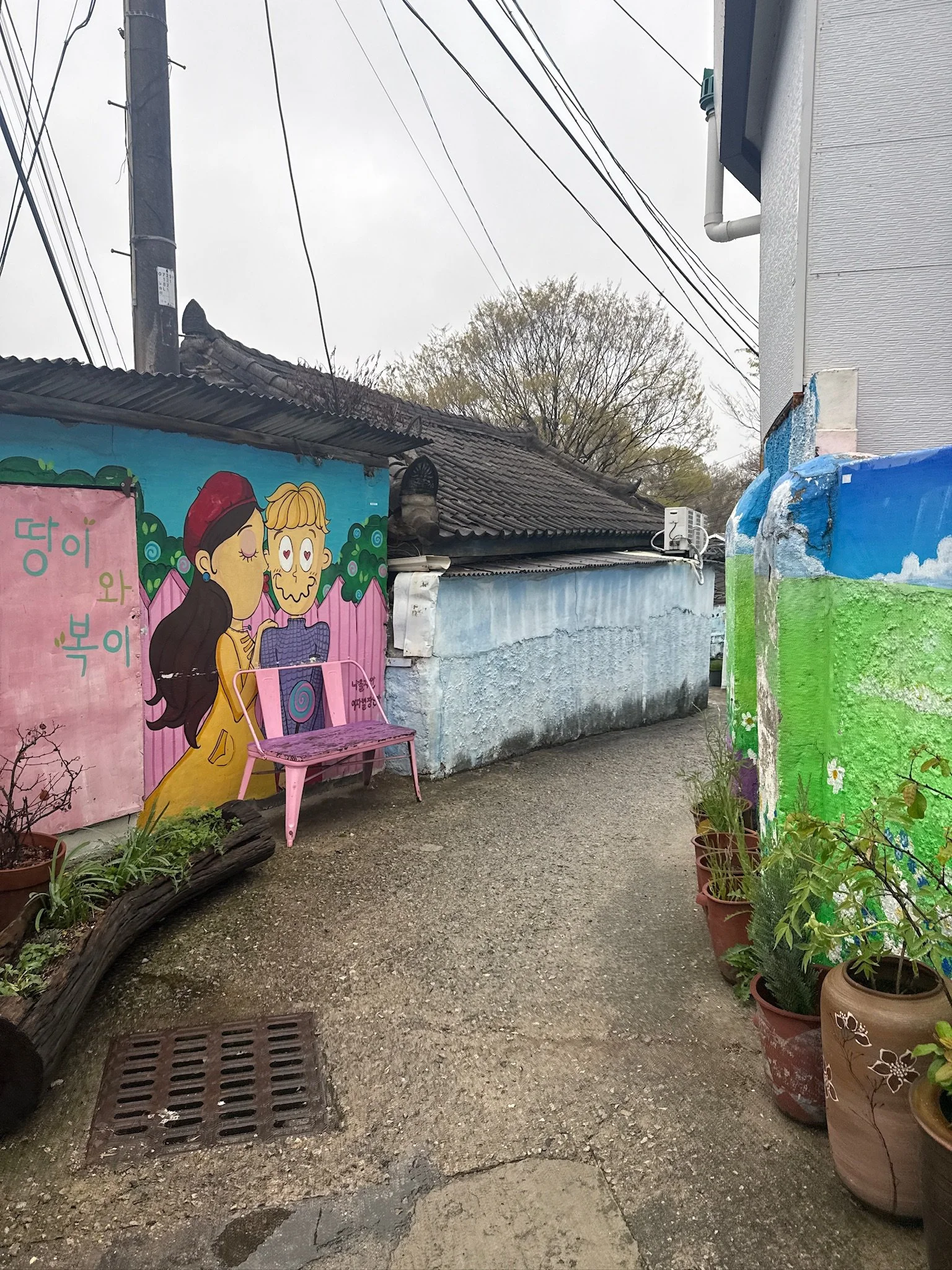
Jaman Mural Village
Street art · Hillside walks
Jeonjunanjang Retro Museum
Nostalgia · Retro games
Nambu Market
Market · Local life
Hanok Village
Traditional architecture · Historic streets
Hanbyeokdang Pavilion
Riverside pavilion
EAT
Namcheonmaru
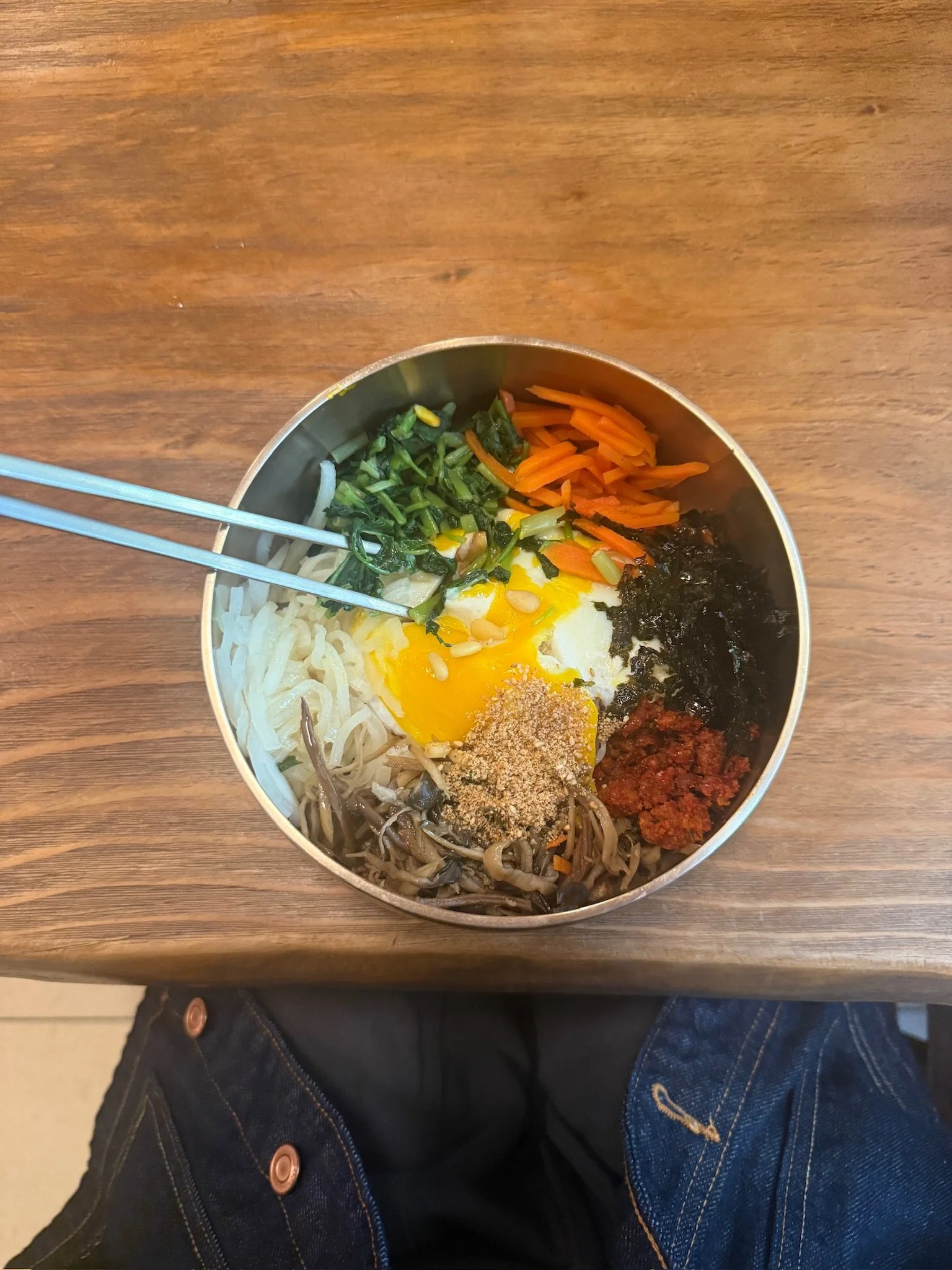
Bibimbap
Ireuri Cafe
Coffee · Tea · Sweets
백수의 찬
Korean fusion
STAY
Book a traditional hanok in or around the Hanok Village.
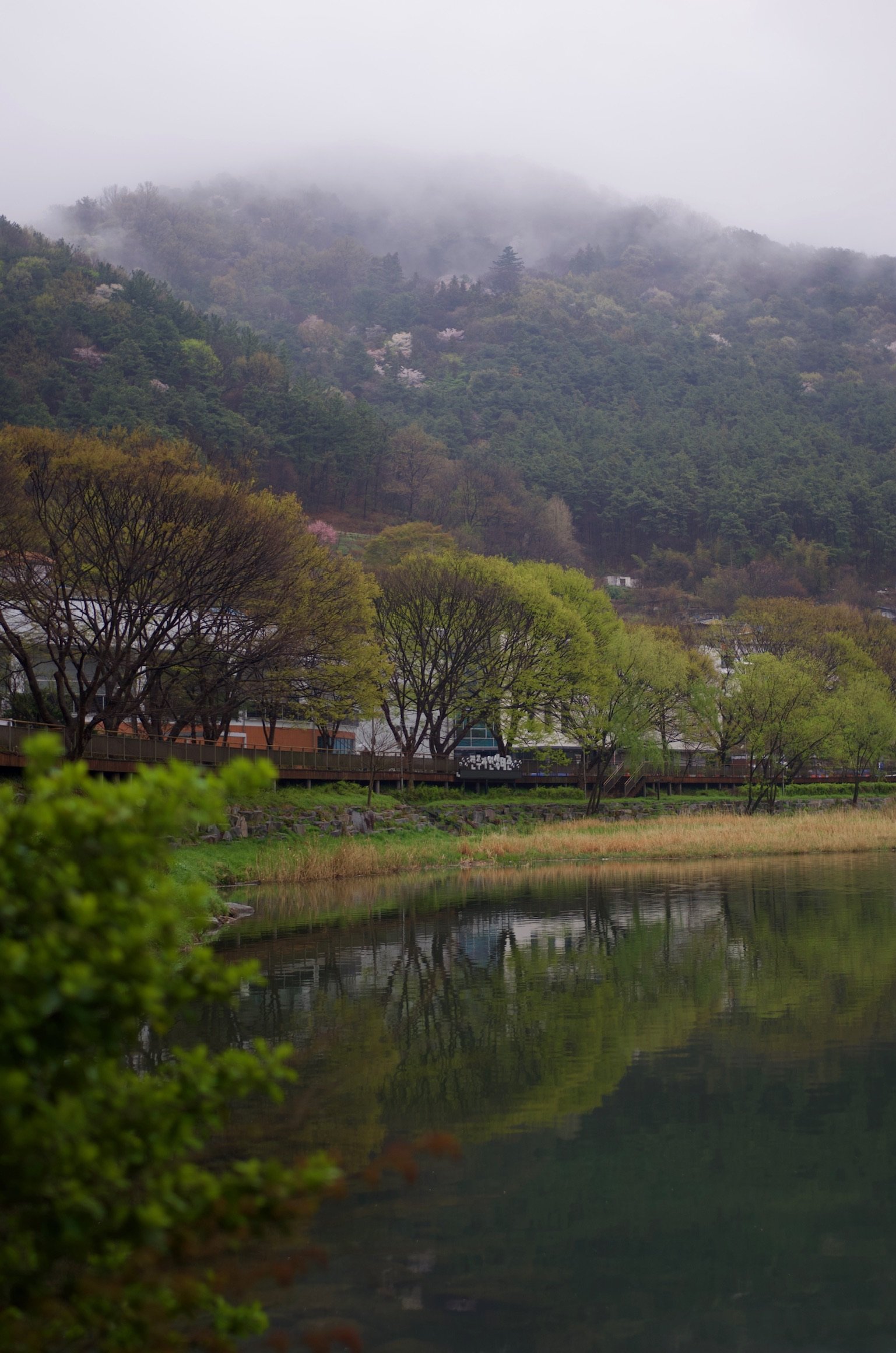
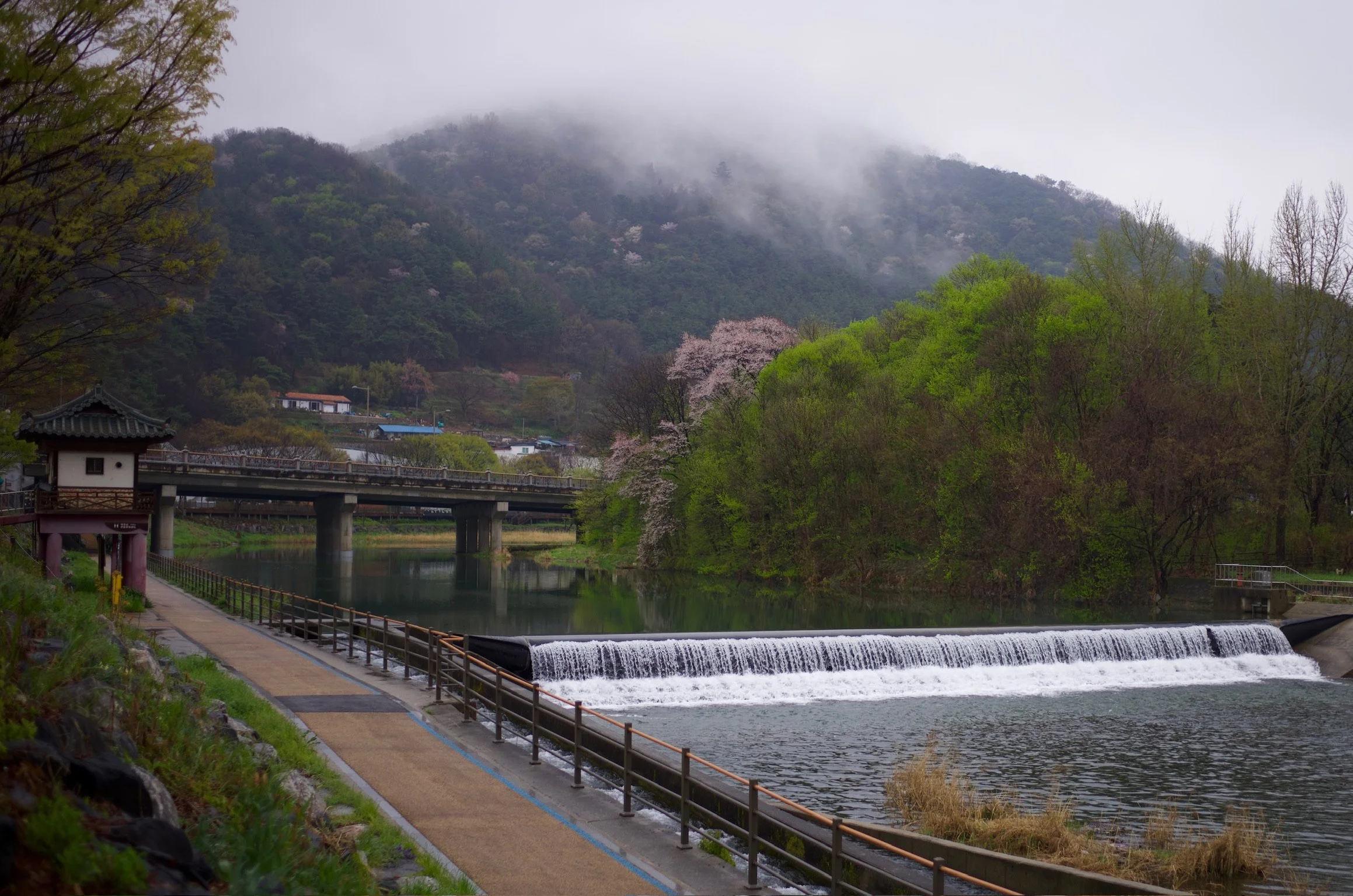
The rain followed us to Jeonju.
Not enough to change our plans. Just a steady drizzle that softened the streets, darkened the tiled roofs and gave us an excuse to take our time.
We had arrived by bus from Busan and started, appropriately, with bibimbap.
Starting with bibimbap
Jeonju is considered the birthplace of one of Korea's most recognizable dishes, and at Namcheonmaru, eating it felt less like visiting a restaurant and more like being invited into someone's home. A mother and daughter moved between the kitchen and our table, bringing out bowls and dishes until there seemed to be very little room left between them.
It felt like walking into your grandmother's kitchen, sitting down and letting her decide what you needed to eat.
We ate slowly. Outside, it kept raining.
From there, we started walking.
Away from the main streets
Jeonju's Hanok Village gets most of the attention, but some of our favorite hours were spent wandering away from its busiest streets. Past Jeonju Hyanggyo, the old Confucian school. Along stone walls and increasingly quiet lanes. Up hills that we hadn't necessarily planned on climbing.
Eventually, we found ourselves in Jaman Mural Village.
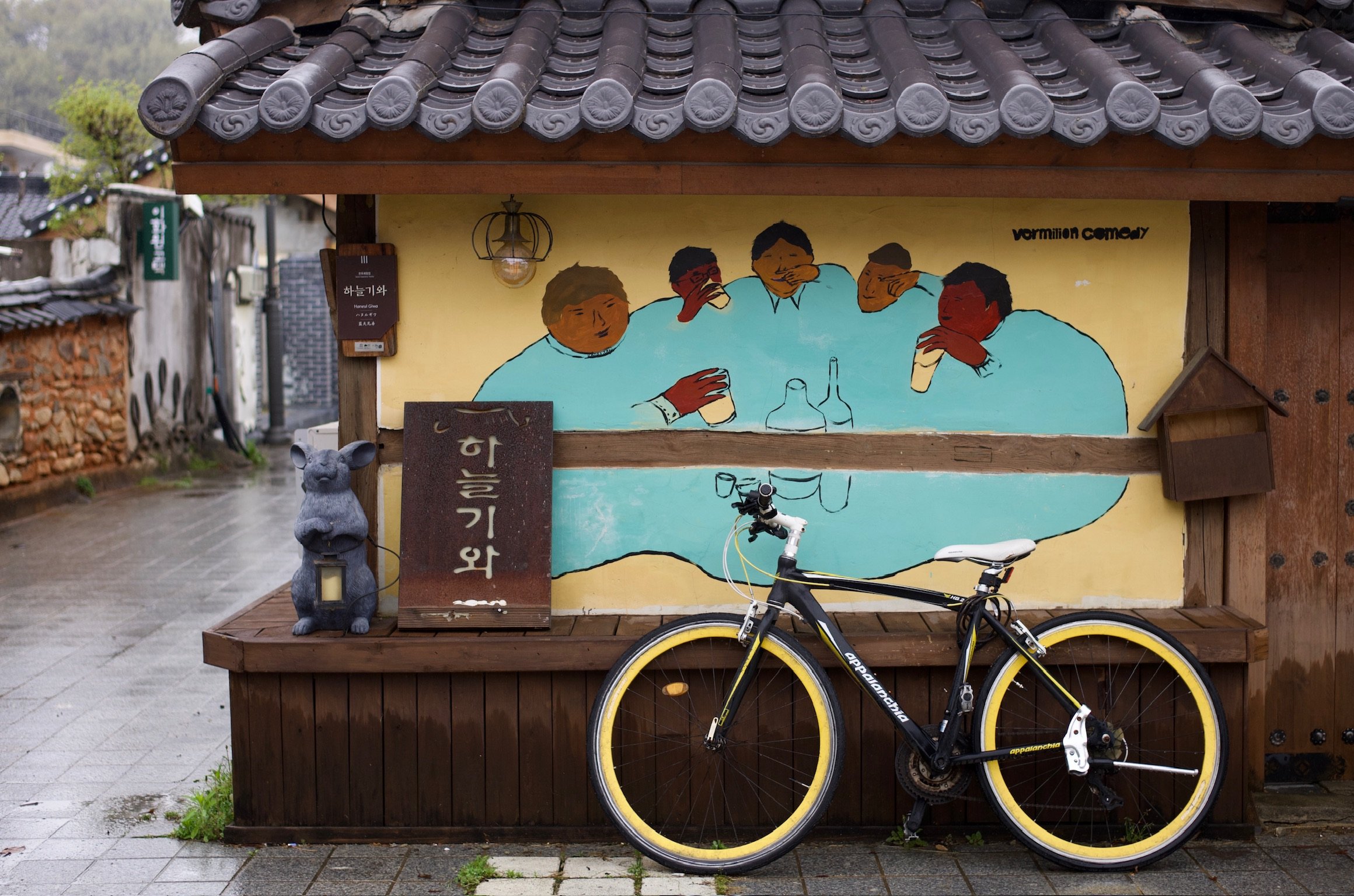
The streets twisted uphill between small houses, their walls covered in paintings and characters, bright patches of color against a gray afternoon. Maybe it was the rain, or maybe we had simply arrived at the right time, but we seemed to have the place almost entirely to ourselves.
Just the two of us wandering the hills, turning corners to see what had been painted on the next wall.
We kept climbing until eventually it was time to make our way back down.
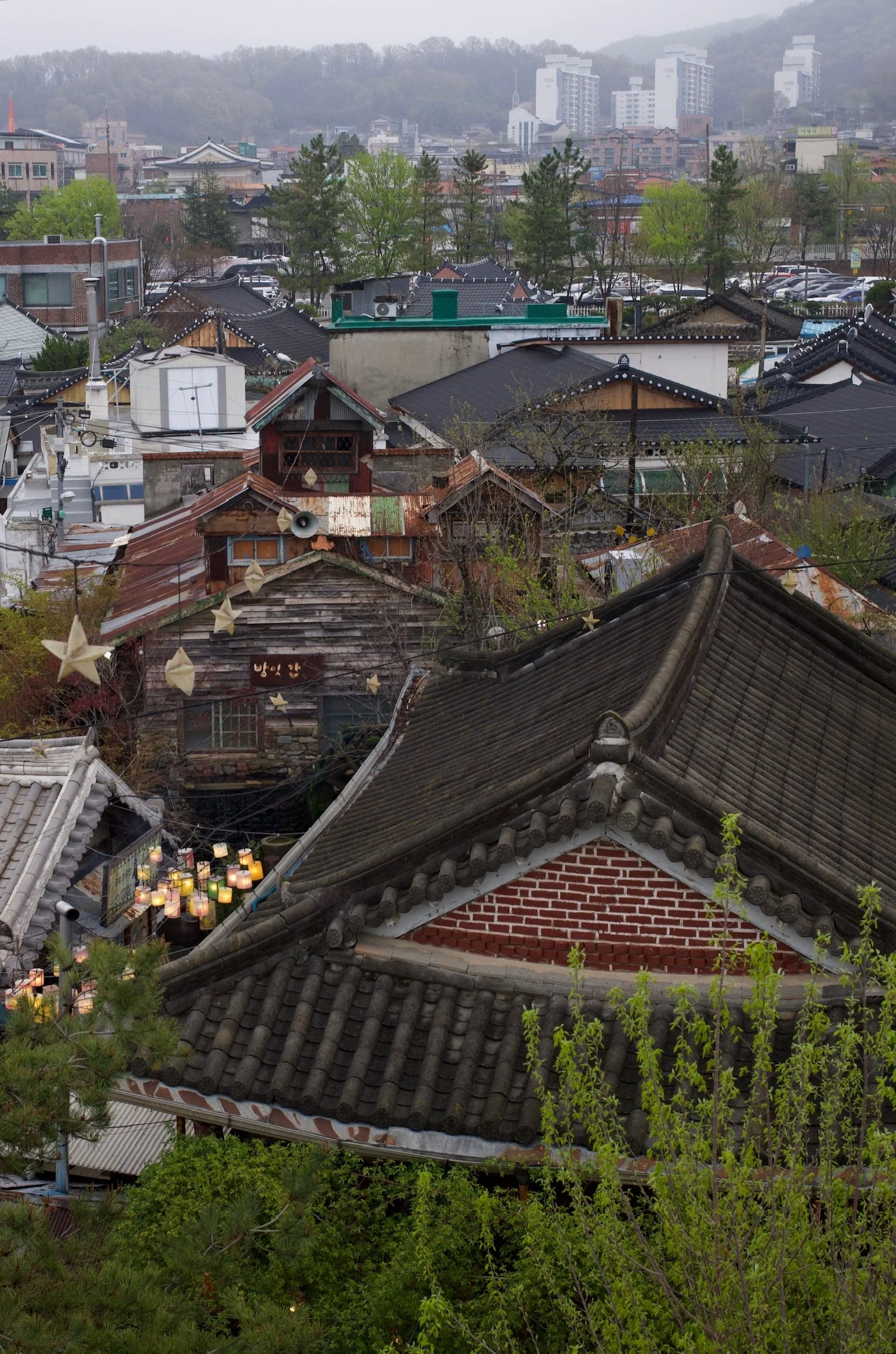
Our route took us through Omokdae, perched above the tiled roofs of the Hanok Village. From up there, Jeonju looked different. Hundreds of dark, curved roofs crowded together below us, the mountains disappearing into the haze beyond them.
Another retro museum
Then came a tradition we didn't know we were starting when we first stumbled into a retro museum in Takayama, Japan.
Now, when we find one, we go in.
Jeonjunanjang Retro Museum is packed with the remnants of another Korea: old signs and advertisements, recreated rooms, toys, household objects, arcade games and the sort of things that once belonged to everyday life before becoming nostalgia.
We played the games. Looked through the rooms. Recognized almost nothing and somehow understood the feeling of it anyway.
By the time we stepped outside again, the rain had begun to disappear.
Through the Hanok Village
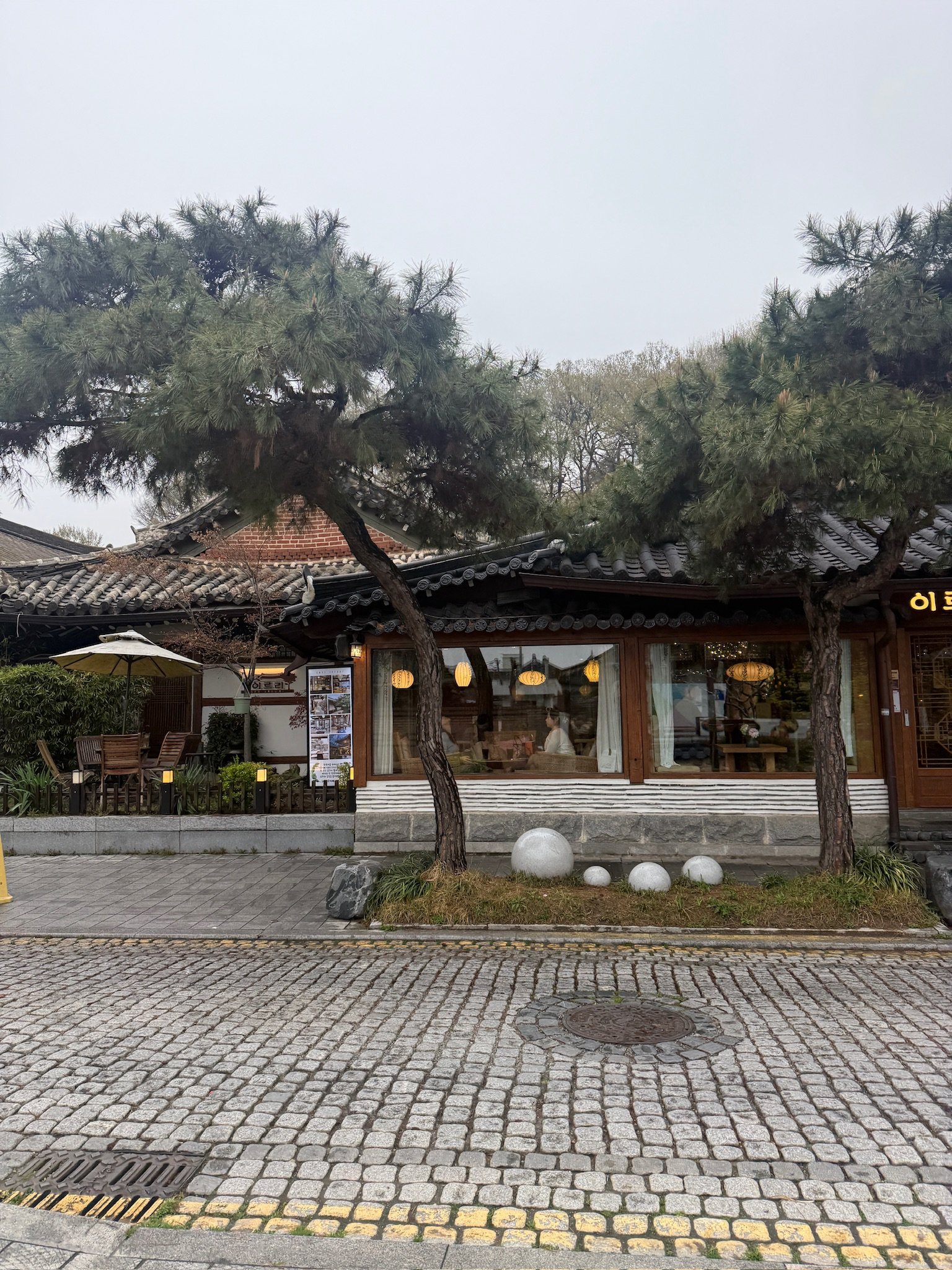
We wandered slowly through Jeonju Hanok Village, where hundreds of traditional houses fill a network of streets beneath curved tiled roofs. There was no particular urgency to get anywhere. We passed Gyeonggijeon Shrine and Jeondong Cathedral, stopped when something caught our attention and kept walking when it didn't.
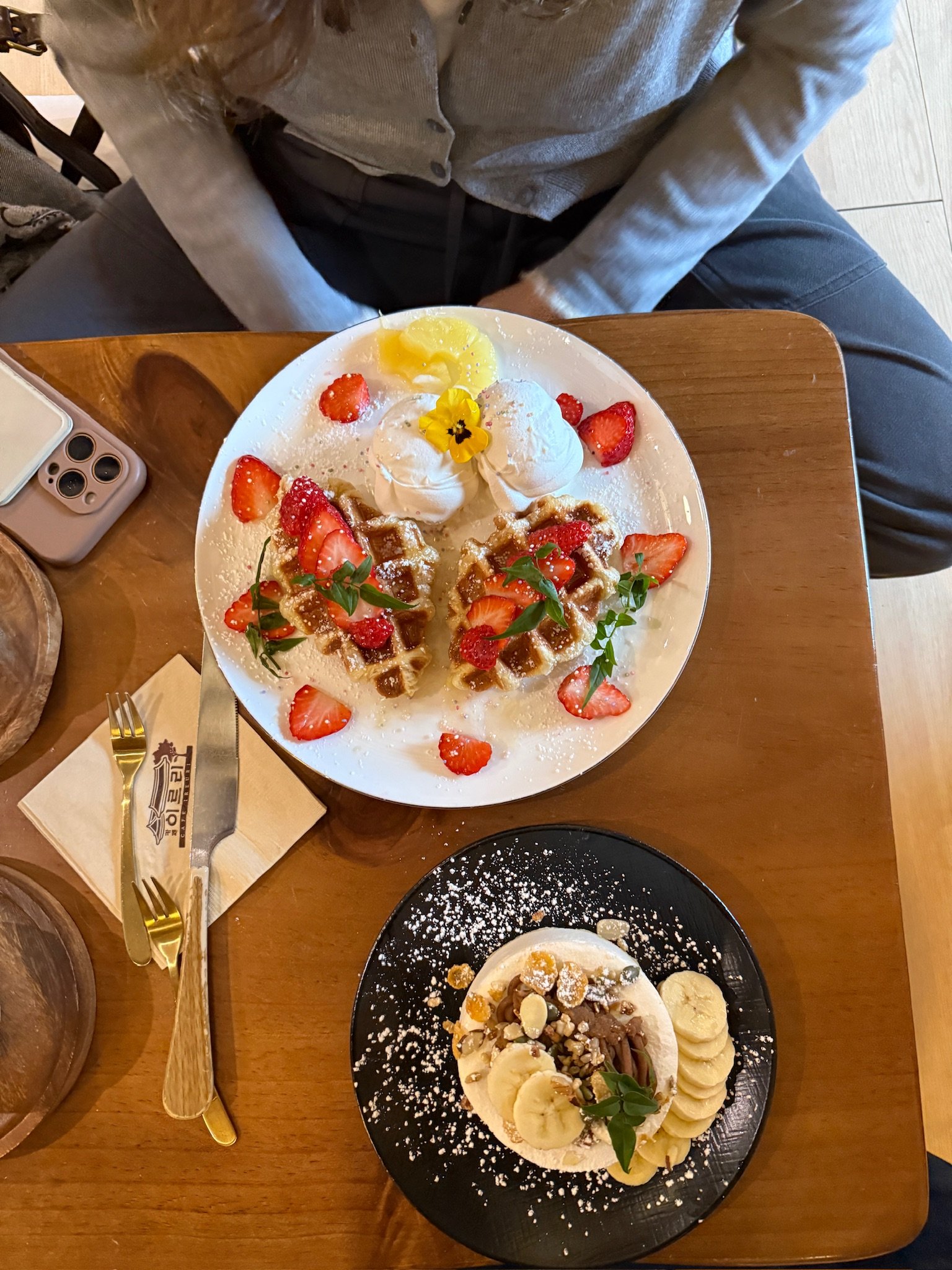
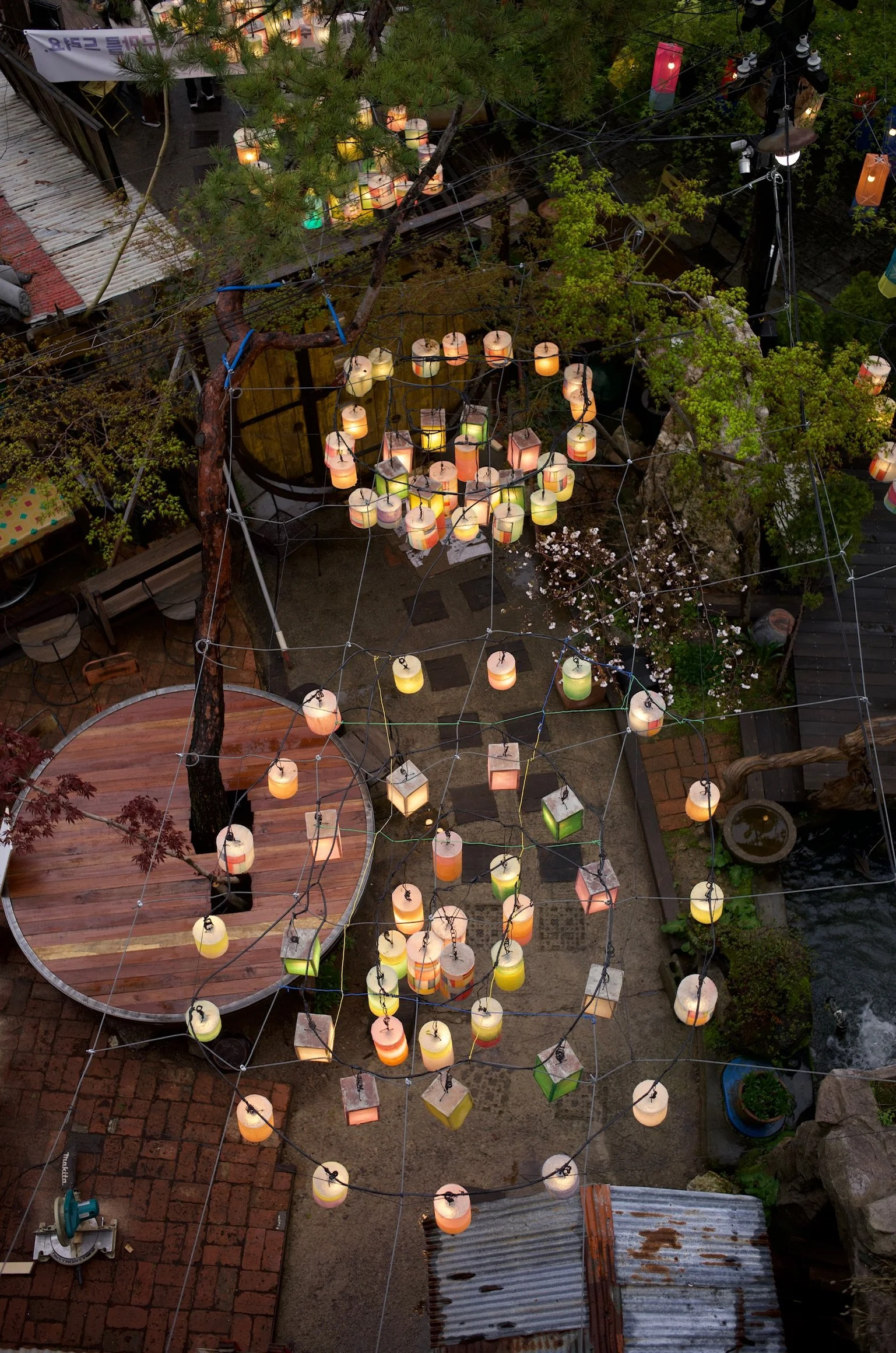
After spending most of the day outside, Ireuri Cafe gave us somewhere to stop.
We found a seat overlooking the garden and stayed awhile. After hours of wet streets and gray skies, the rain had finally given way to sunshine. The garden seemed brighter because of it.
Eventually, we started walking again.
Past Pungnammun Gate and toward Nambu Market.
After the market closes
By then, the day was winding down.
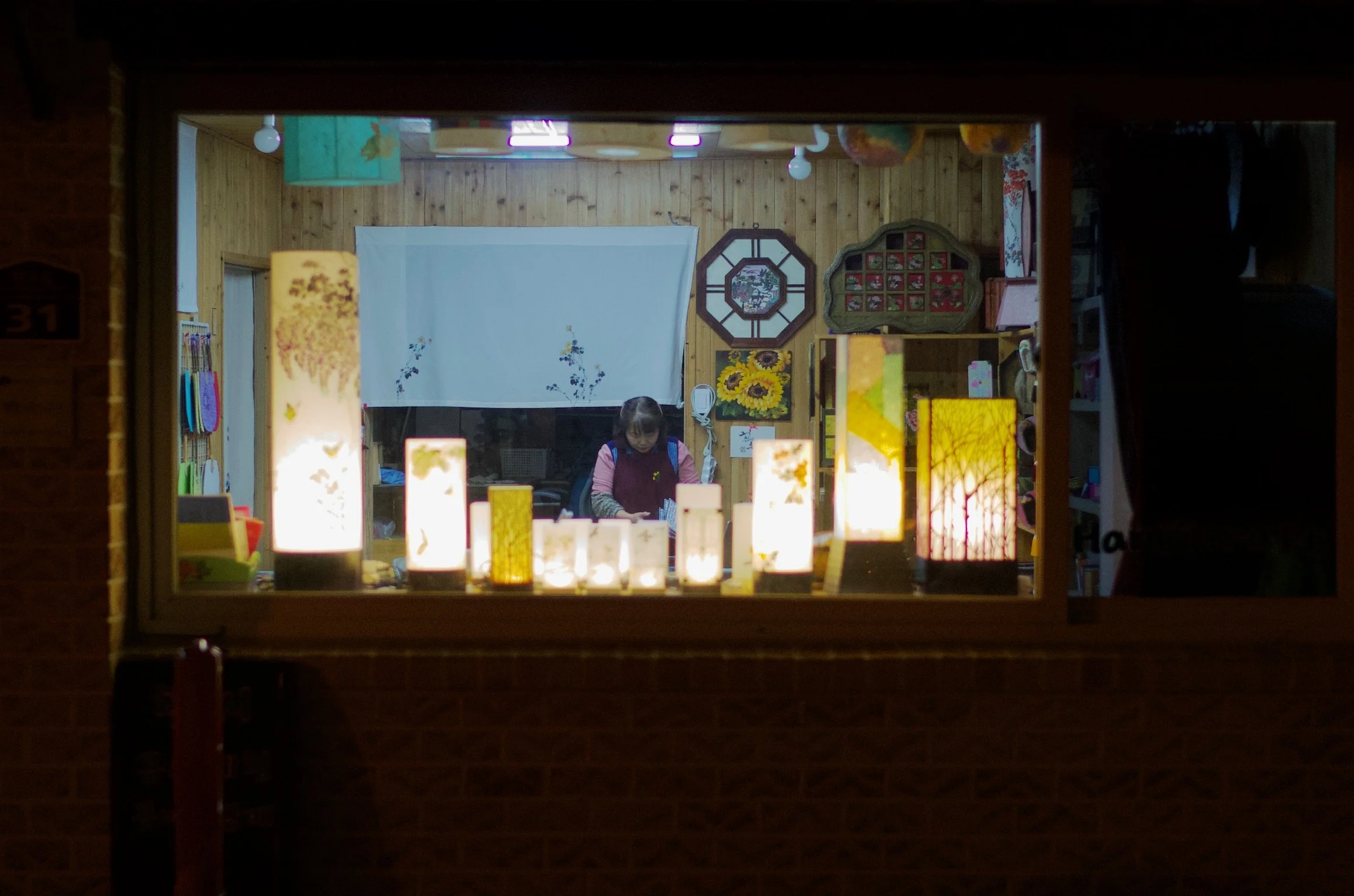
Most of the shoppers had already gone. Vendors were closing stalls, moving boxes and putting things away. We wandered deeper into the market until the polished version of Jeonju we'd spent much of the day exploring seemed very far away.
Some of the passages felt almost forbidden.
Narrow alleys disappeared between stalls. Fluorescent lights illuminated old signs and stacks of things waiting for tomorrow. Around us, vendors carried on with the routines that begin when everyone else goes home.
There was almost no one there but them and us.
We weren't really shopping. There wasn't much left to buy. But the atmosphere kept us walking.
Eventually, we made our way back to our Airbnb, a traditional hanok tucked among Jeonju's old streets. We took off our shoes, dried out from a day spent walking in the drizzle and broke into some salt bread we'd brought back with us.
For a little while, we considered staying there.
Instead, we went back out.
Dinner was at 백수의 찬, a small Korean fusion restaurant hidden on the second floor of Nambu Market. Finding it meant heading back into the market and climbing upstairs, where the corridors were even quieter than the ones we'd wandered earlier.
It felt a little like trespassing.
Then we turned a corner and found it.
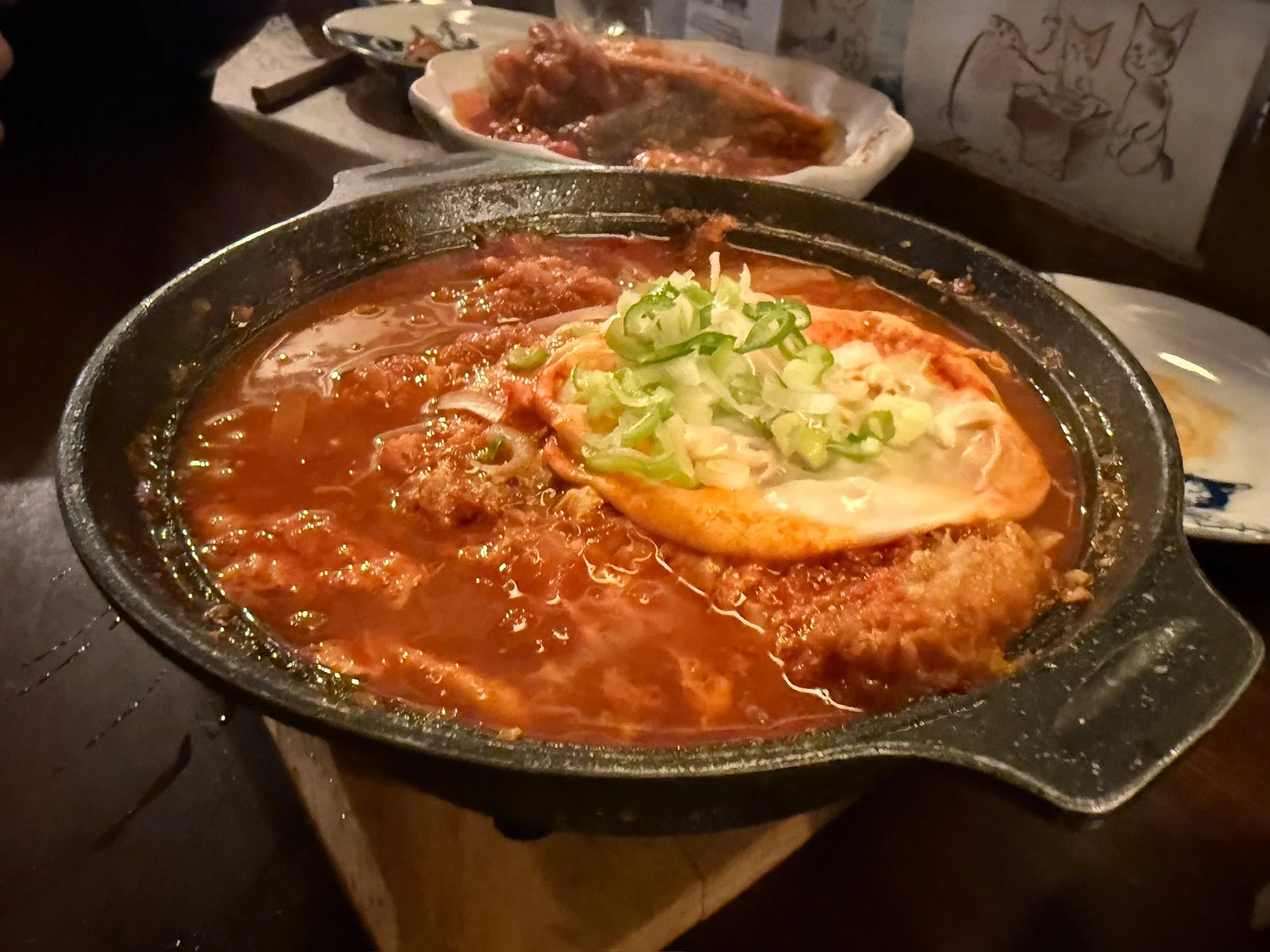
Inside, the feeling changed completely. The restaurant was small and intimate, with most of the room taken up by a bar where we found two seats among the locals. We ordered karaage, kimchi pork cutlet and yakisoba and settled in.
It was an unexpectedly fitting way to end the day.
What we remember
We'd come to Jeonju for the things it's known for: hanoks, bibimbap and a glimpse of a more traditional Korea. We found all of that.
But what we remember most are the moments around it.
A mother and daughter feeding us lunch. Drizzle on tiled rooftops. Empty streets painted with murals. Old arcade games. Sunshine appearing over a garden. Vendors packing up for the night.
And finally, walking through what felt like a forbidden part of an almost-empty market, wondering if we'd taken a wrong turn, before finding exactly where we were supposed to be.