TAKE NOTES.
EAT
Onibus Coffee
Coffee
I’m donut ?
Donuts
Seirinkan
Pizza
WANDER
Log Road
Daikanyama
Meguro River
Nakameguro
SHOP
Tsutaya Books Daikanyama
Books · Photography · Magazines · Design
Okura
Japanese clothing · Indigo
CARBOOTS
Vintage
HIGH! STANDARD
Clothing · Americana · Workwear
1LDK apartments.
Fashion · Objects
Traveler’s Factory Nakameguro
Stationery · Traveler's Notebook
Jantiques
Vintage · Objects
Technically, our favorite neighborhood is a combination of two. A walk through Nakameguro and Daikanyama, where some of our favorite shops, cafés and streets in Tokyo happen to be within wandering distance of one another.
Tokyo makes choosing favorites difficult.
Every neighborhood seems to offer a different version of the city. Shinjuku flashes and hums late into the night. Golden Gai squeezes hundreds of tiny bars into a tangle of narrow alleys and staircases. Shibuya begins with the spectacle of the crossing, then quickly dissolves into quieter backstreets. Koenji and Shimokitazawa have a way of turning an aimless afternoon into the whole day.
But there’s one part of Tokyo we keep wanting to return to.
Technically, it’s two.
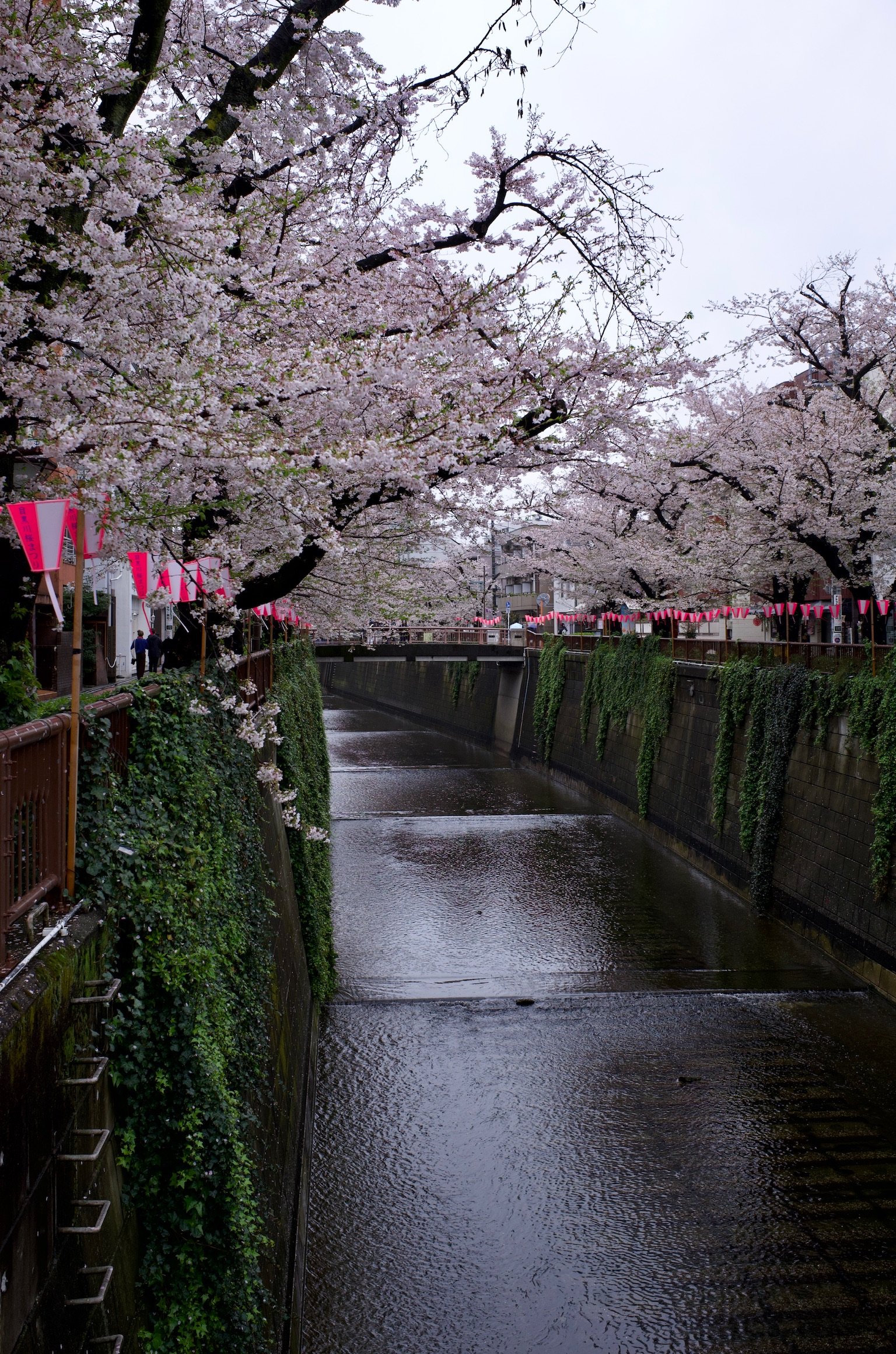
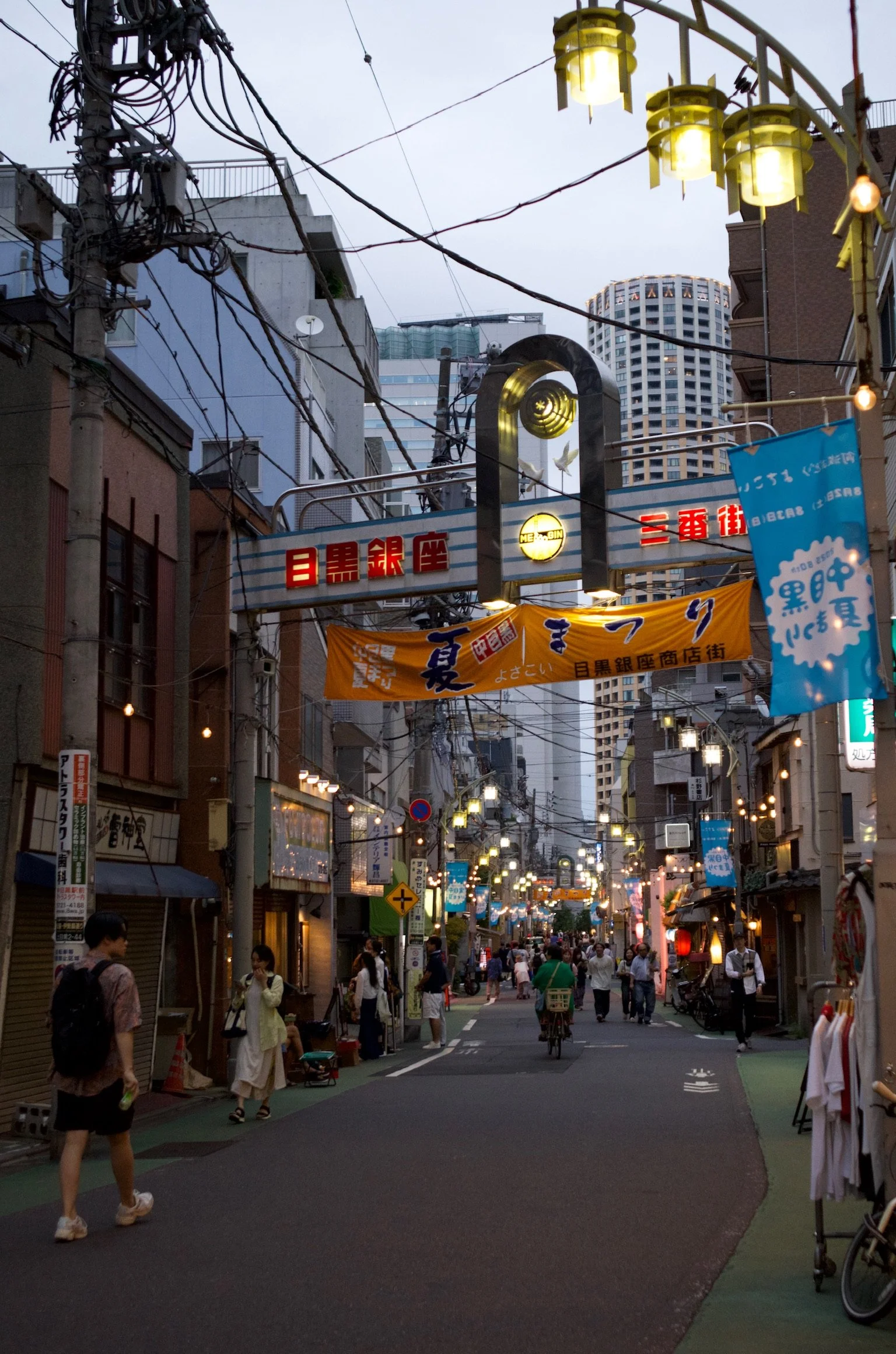
Nakameguro and Daikanyama.
They sit side by side, close enough that we’ve never thought much about where one ends and the other begins. We usually start somewhere around Daikanyama and eventually find our way downhill toward Nakameguro, though we've done the whole thing in reverse. The route changes. A new pin gets added to the map; an old favorite pulls us back.
There are a few constants.
Hours lost among the books and magazines at Tsutaya. A rummage through the racks at Carboots. Coffee at Onibus. Traveler’s Factory and Jantiques. The shops beneath the tracks at Naka-Meguro Koukashita. A long walk beside the Meguro River. Pizza at Seirinkan when we're finally ready to stop.
But the pins on the map aren't really why this is our favorite part of Tokyo. It’s everything between them.
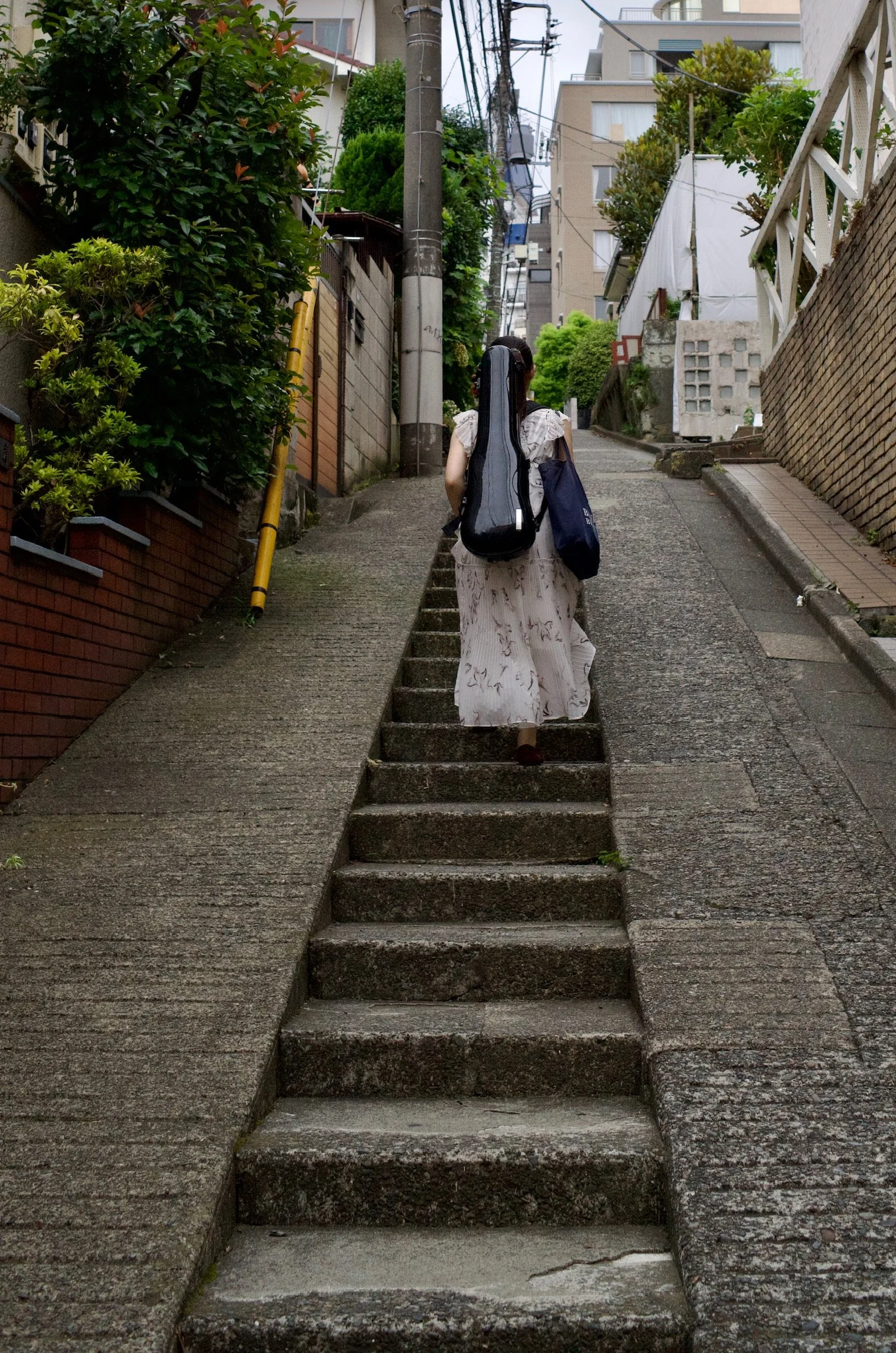
The residential streets where the noise of the city seems to fall away. Bicycles lined neatly against concrete walls. Laundry overhead. A beautiful storefront with no obvious sign. A narrow staircase disappearing to somewhere above street level. The shop you enter because something in the window made you stop.
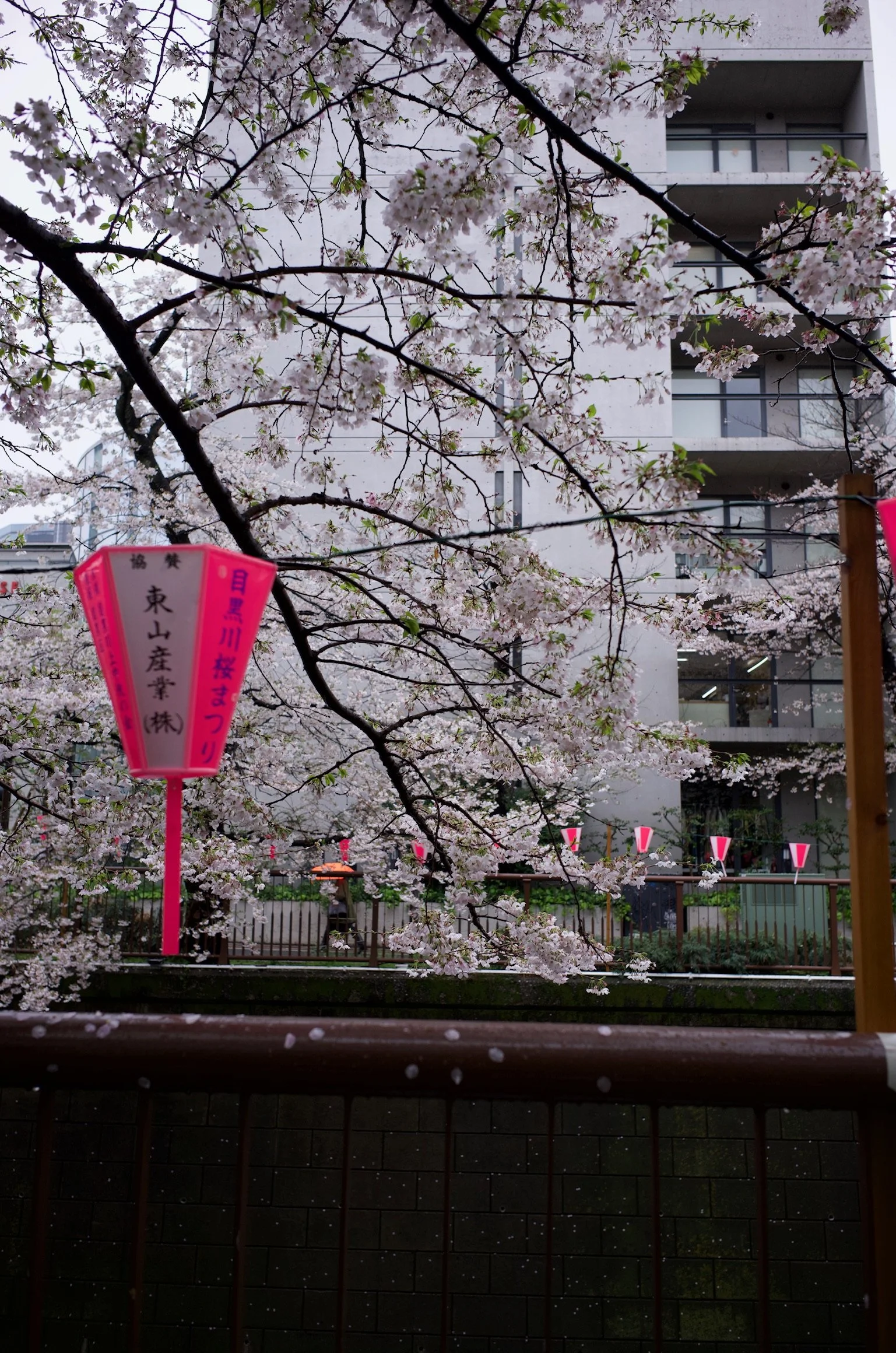
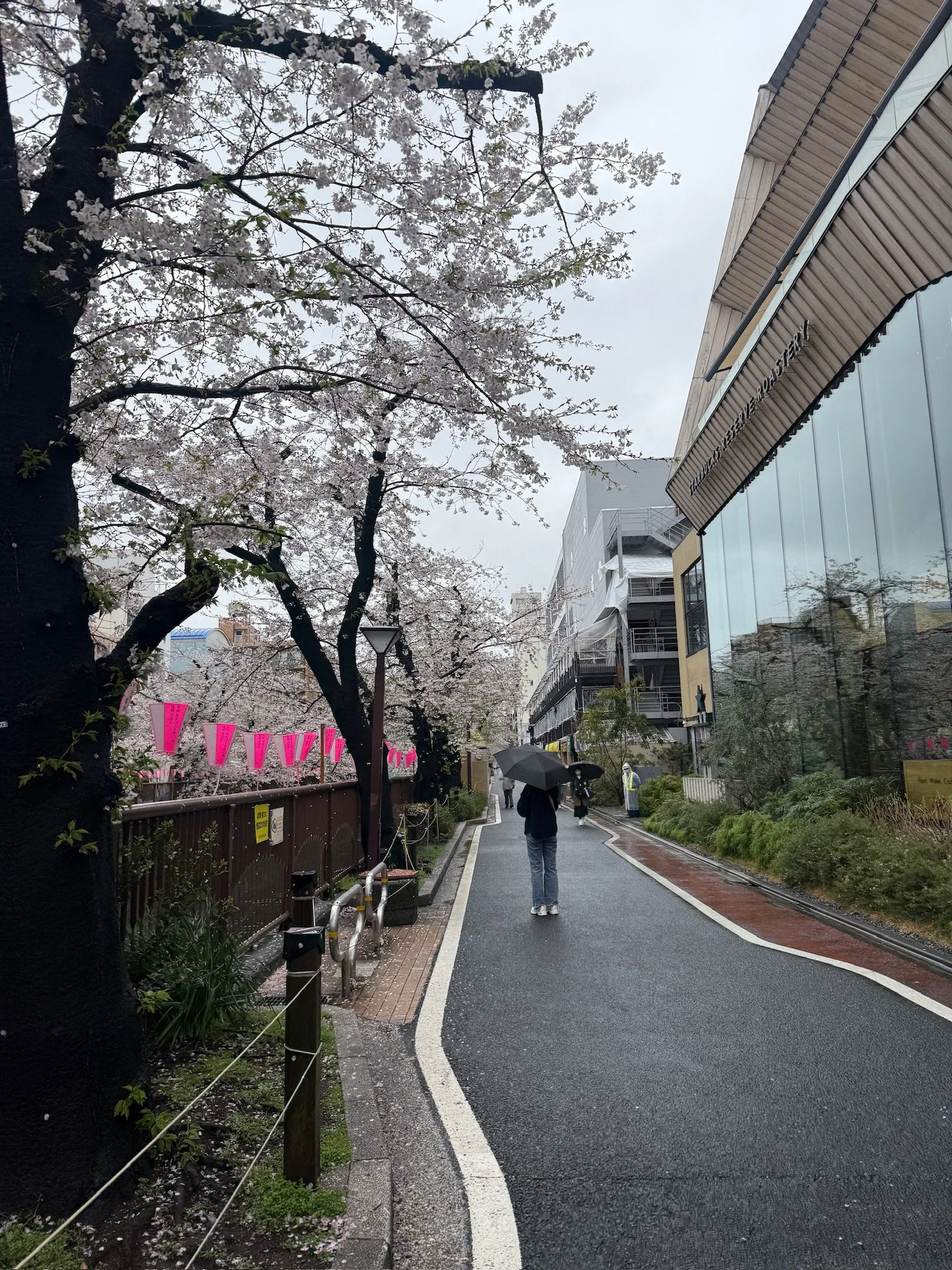
The first time we walked along the Meguro River, its trees were green. On our second visit, the same branches were heavy with pale pink blossoms, petals collecting on the water below. We loved it both ways.
Nakameguro and Daikanyama are at their best when you give yourself enough time to get distracted.
SHOP.
There are neighborhoods where shopping means moving from one destination to the next. In Daikanyama, we like the spaces in between just as much.
Start around Log Road, a slim pedestrian path running through what was once part of the old Toyoko Line. From there, don't worry too much about the most efficient route. Daikanyama is better approached as a collection of streets to wander than a list to work through.
Carboots is easy to miss.
Inside, almost every available inch has been given over to vintage: racks pressed close together, shoes underfoot, old bags, accessories and objects competing for attention. It shouldn’t be the kind of shop you scan from the doorway. You have to go in and dig.
Not far away, HIGH! STANDARD occupies a small ivy-covered building that feels almost transplanted from somewhere else. Inside is a particularly Japanese interpretation of Americana - workwear, military references and everyday clothes chosen with an obsessive attention to detail.
Nearby Okura takes another route, bringing traditional Japanese fabrics and techniques into contemporary clothing. Then there’s 1LDK apartments., restrained and carefully edited in a way that feels perfectly suited to Daikanyama.
And then there is Tsutaya Books.
We have never been particularly good at making this a quick stop.
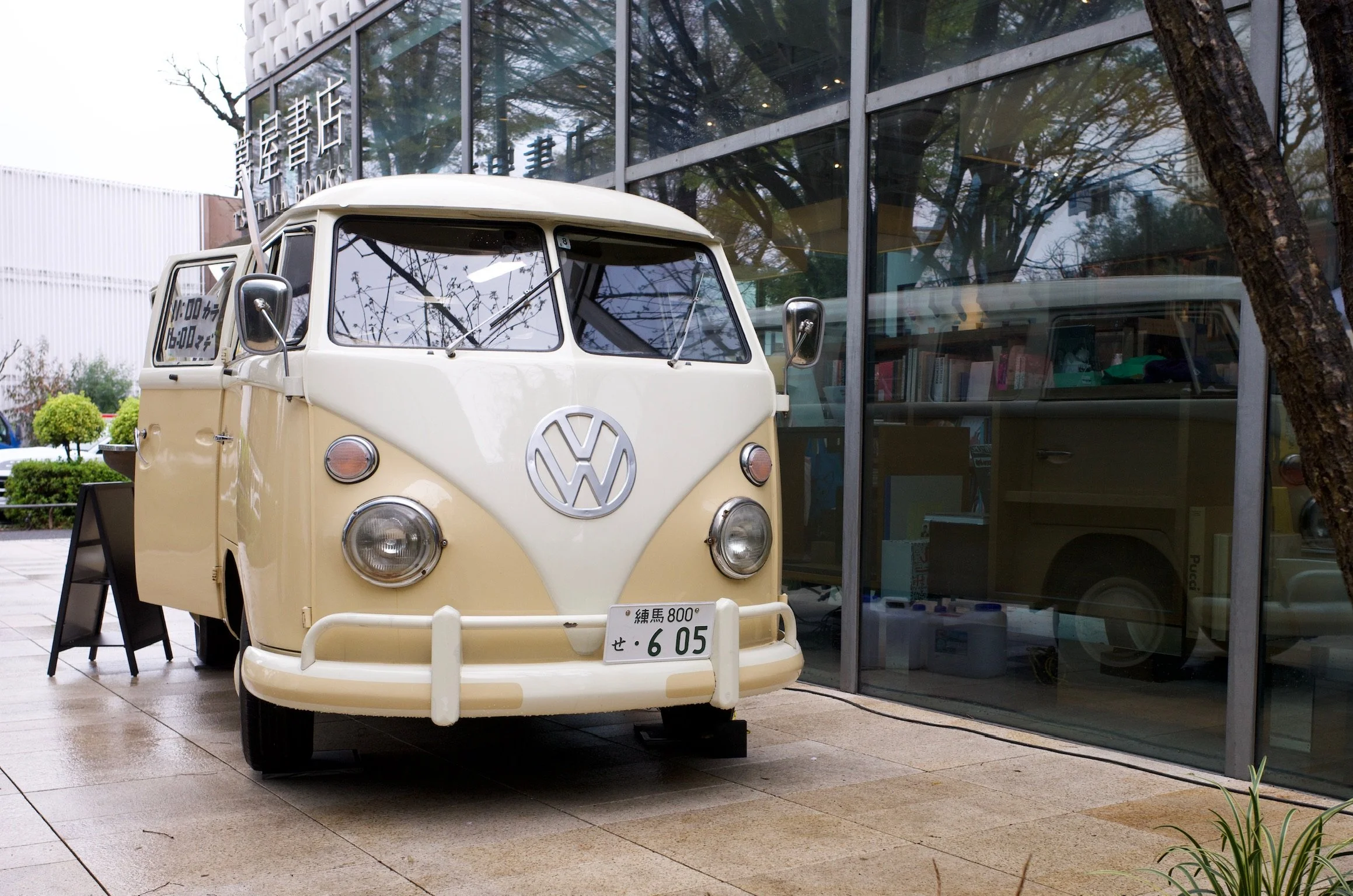
The three low buildings of Daikanyama T-Site sit behind a latticework of interlocking Ts, connected by walkways and surrounded by trees. Inside, books give way to magazines, photography, art, design, music and shelves of things we didn't arrive intending to look for.
The photography section alone can consume an unreasonable amount of time.
So can the magazines.
This is usually where whatever schedule we had for the afternoon begins to fall apart.
We browse. Pick something up. Put it back. Find another. Wander into the next building. Realize how long we've been there. Decide we aren't particularly concerned about it.
Eventually, we leave the books behind and start downhill.
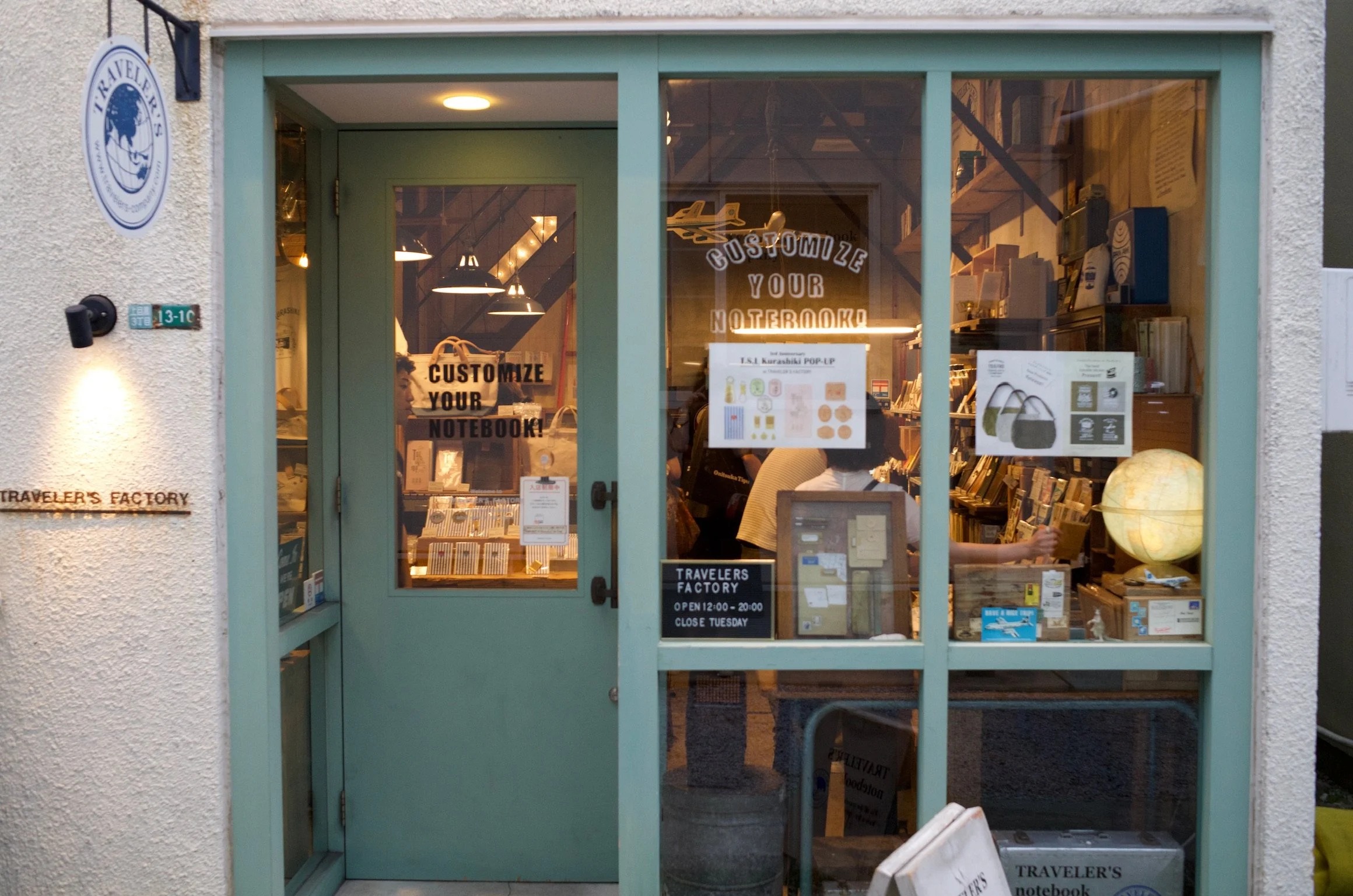
Once we cross into Nakameguro, our favorite stationary store is typically the first stop. At Traveler’s Factory, the temptation comes in miniature: notebooks, refills, stamps, brass clips, stickers and tiny objects designed to make an already well-used Traveler's Notebook feel even more personal.
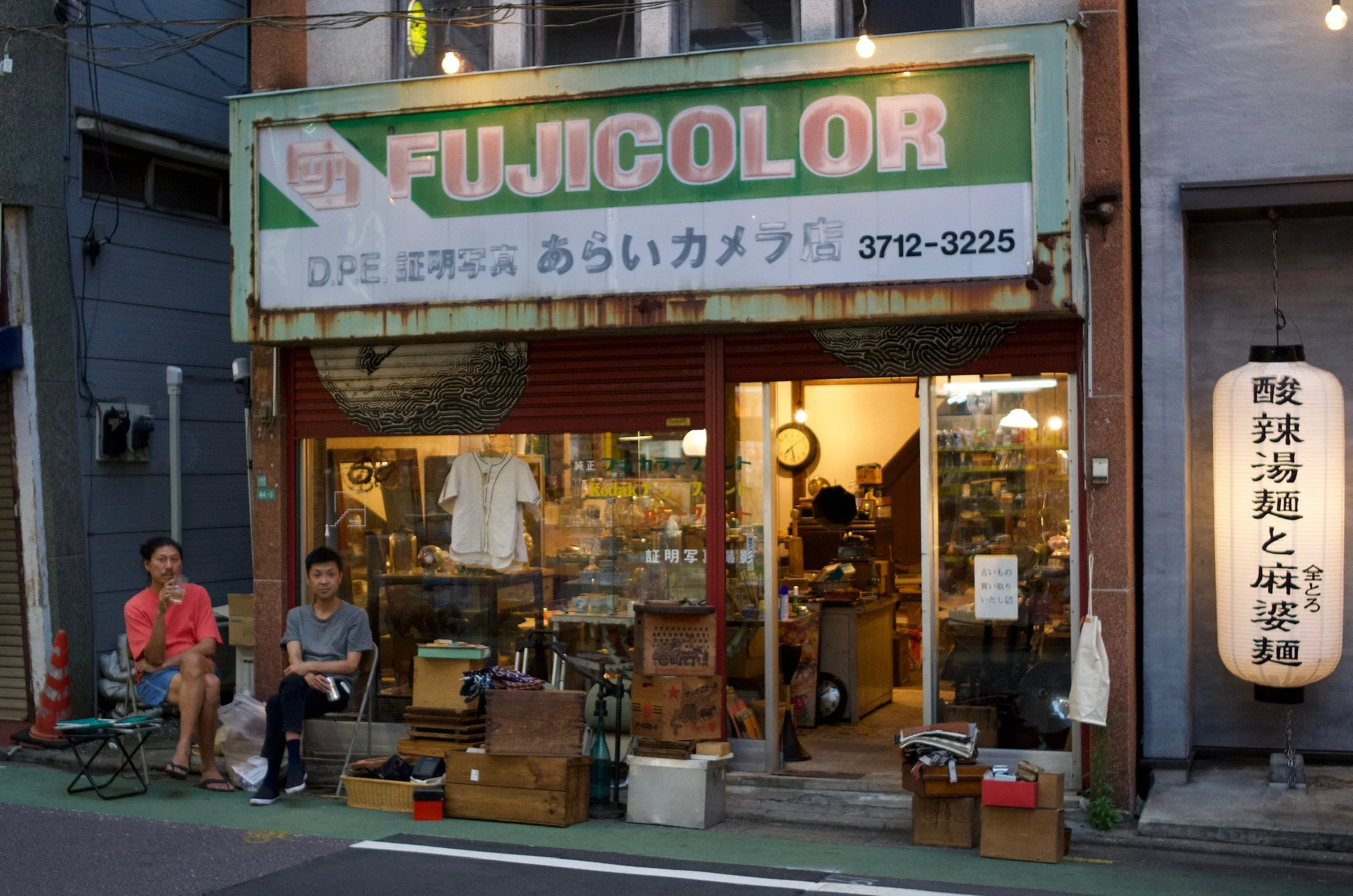
Jantiques is one of those vintage shops where you never quite know what you’re going to find. Clothing, accessories, furniture and old objects fill the space, with something different tucked into nearly every corner. It’s worth taking your time and digging around.
EAT.
Onibus Coffee
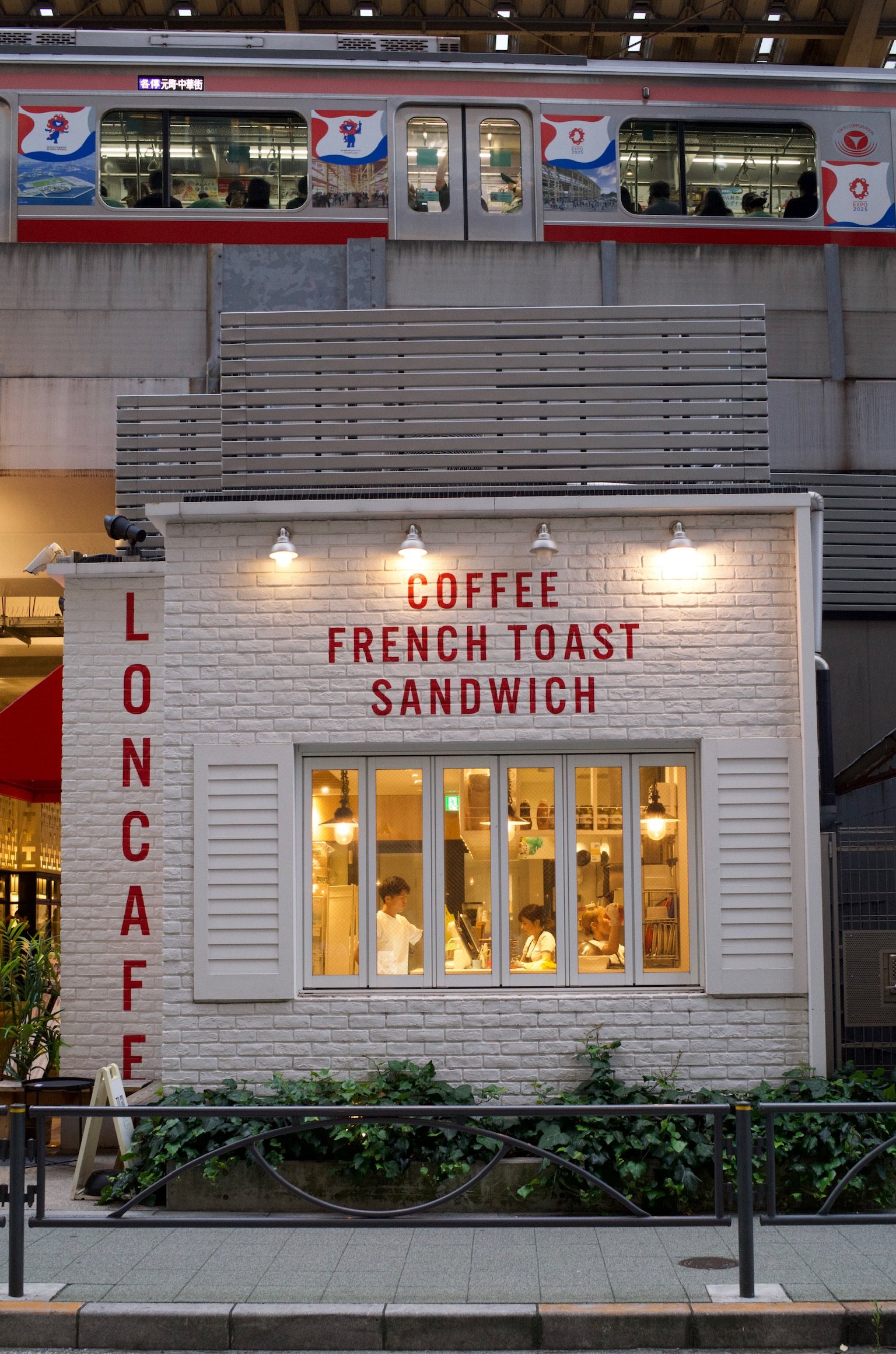
Just behind Nakameguro Station, beside the Toyoko Line tracks, sits a tiny wooden building that would be easy to walk past if you weren't looking for it.
Downstairs, there’s barely more than the counter and the machinery required to make the coffee. A narrow staircase leads to a small room above, where windows frame the tracks outside.
Get a coffee and take it upstairs if there’s a seat. Every few minutes, another train slides past the window, close enough to momentarily fill the frame before disappearing toward the station. Tokyo keeps moving outside but for a little while, you don't have to.
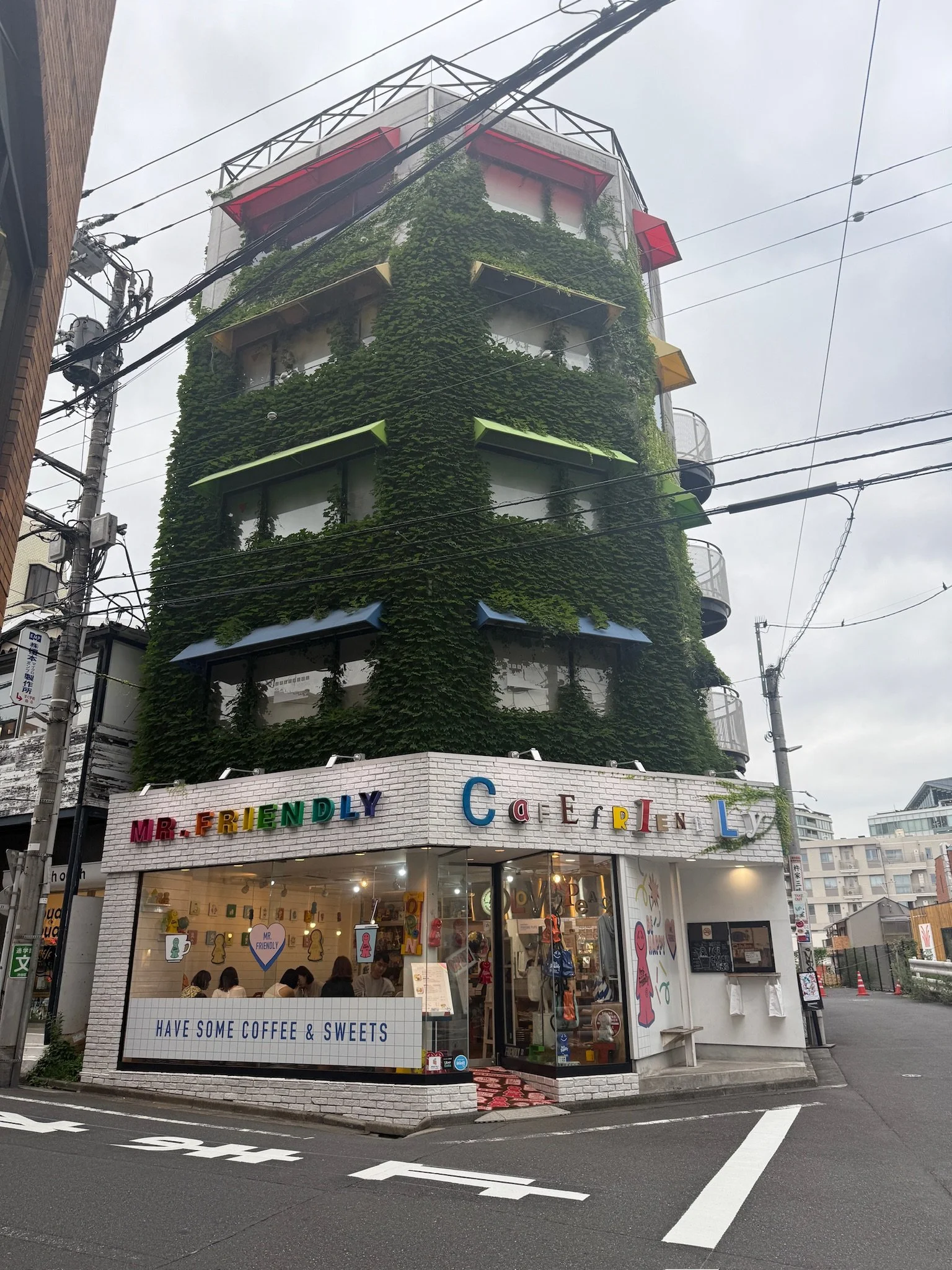
I’m donut?
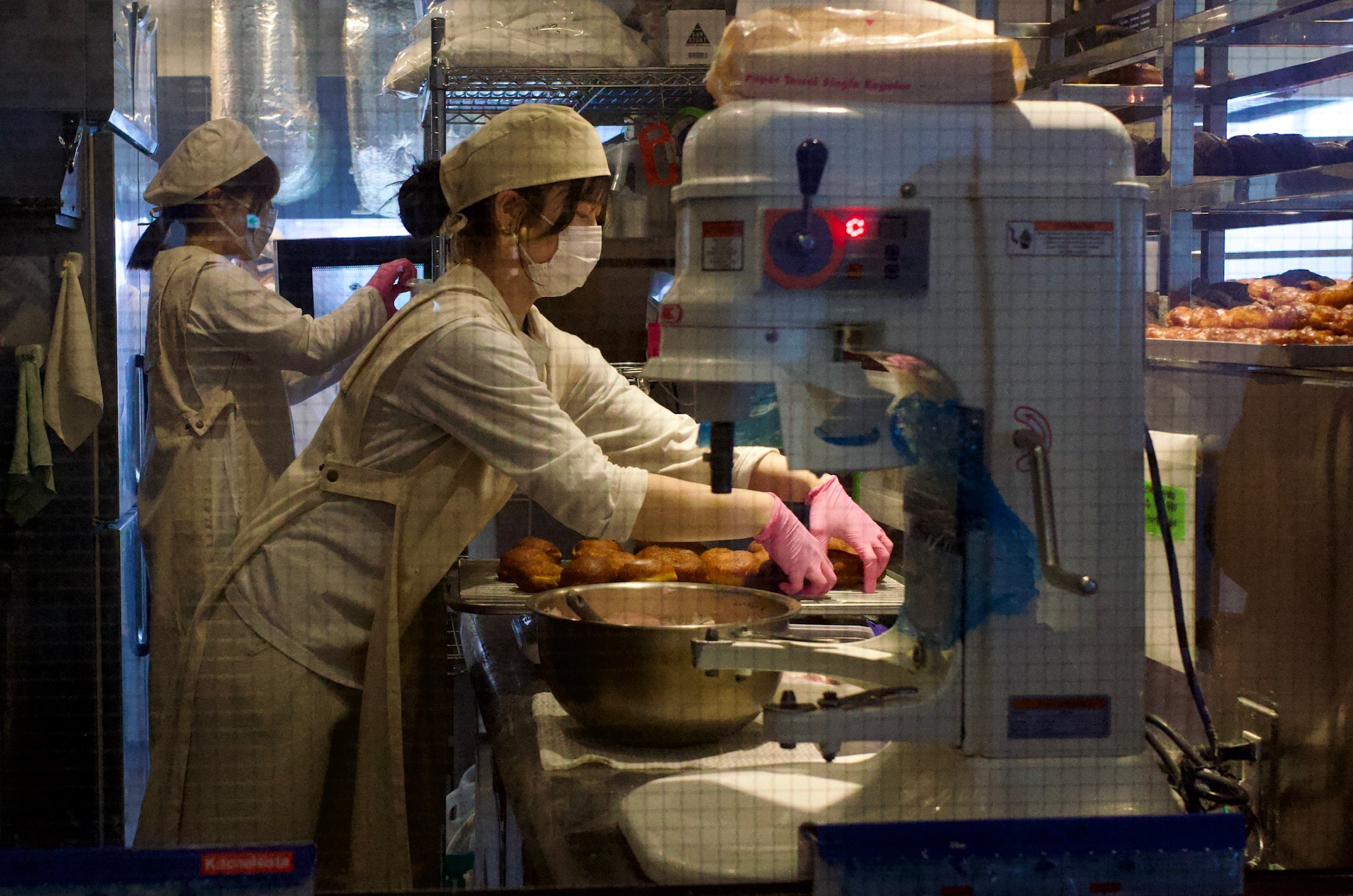
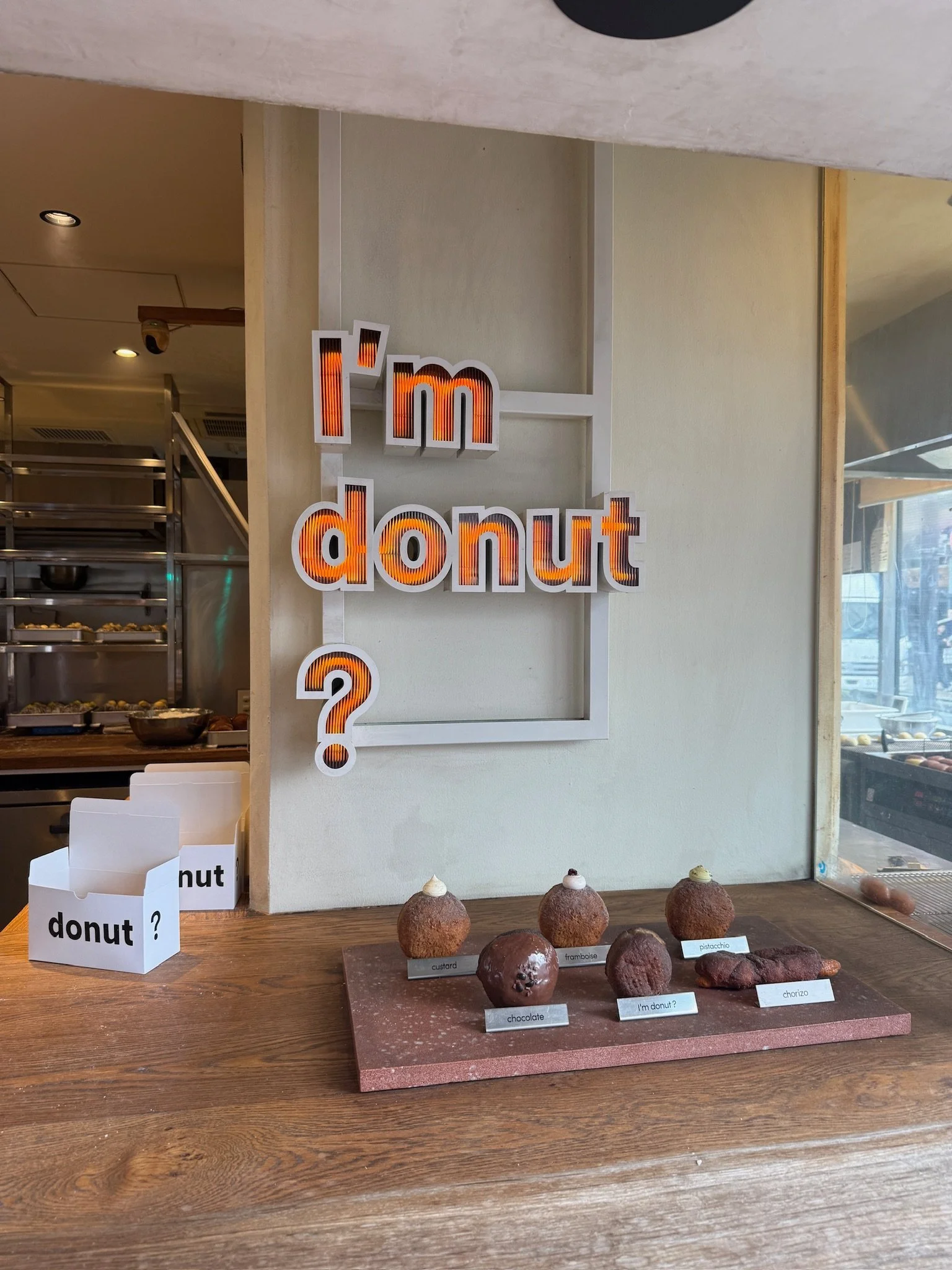
Just a short walk from Nakameguro Station, I’m donut ? is hard to miss, if not for the small storefront, then for the line that often forms outside. The dough is impossibly soft and airy, somewhere between a donut and brioche, collapsing slightly as you pull it apart. It's rich without feeling heavy, which becomes slightly dangerous when you're standing in front of a case full of them.
Buy more than one and eat them while walking toward the Meguro River.
Serinkan
Tokyo has quietly become one of the world's great pizza cities.
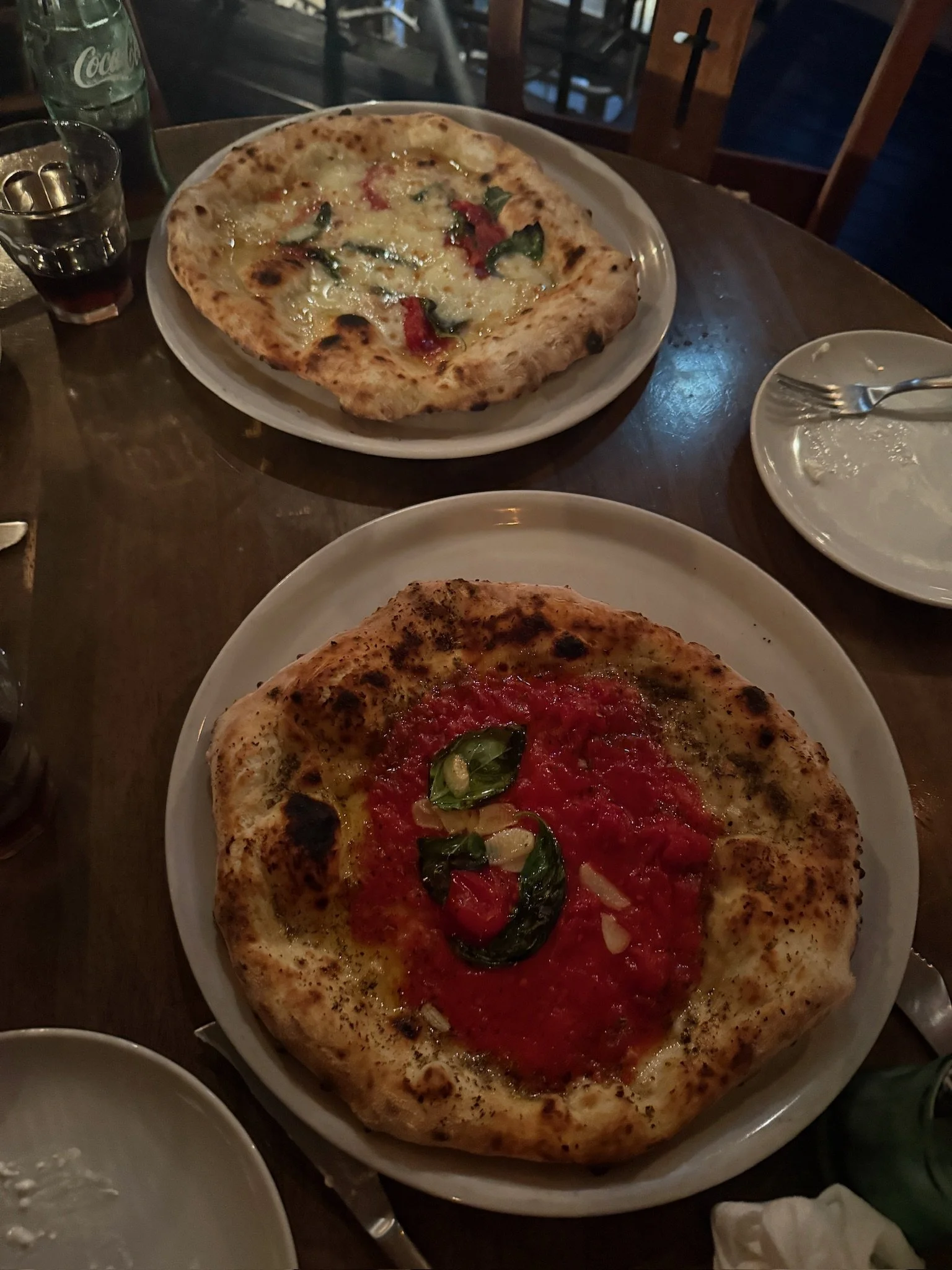
Seirinkan sits on a side street in Nakameguro inside a narrow, eccentric building that seems to twist upward around its metal staircase. Follow it up and eventually there is pizza. There are only two choices.
Margherita or marinara. That’s it.
Owner Susumu Kakinuma was making Neapolitan-style pizza in Tokyo long before the city's current pizza obsession, and the restraint makes sense as soon as the first one arrives. The crust is blistered and charred from the wood-fired oven, swollen around the edges but still chewy inside. Tomato, cheese, basil, olive oil. Nothing unnecessary.
Then the marinara arrives and somehow makes an even stronger argument for doing less.
After hours spent walking downhill from Daikanyama, disappearing into shops, stopping for coffee and inevitably walking farther than planned, this is where we like to stop.
Order both.