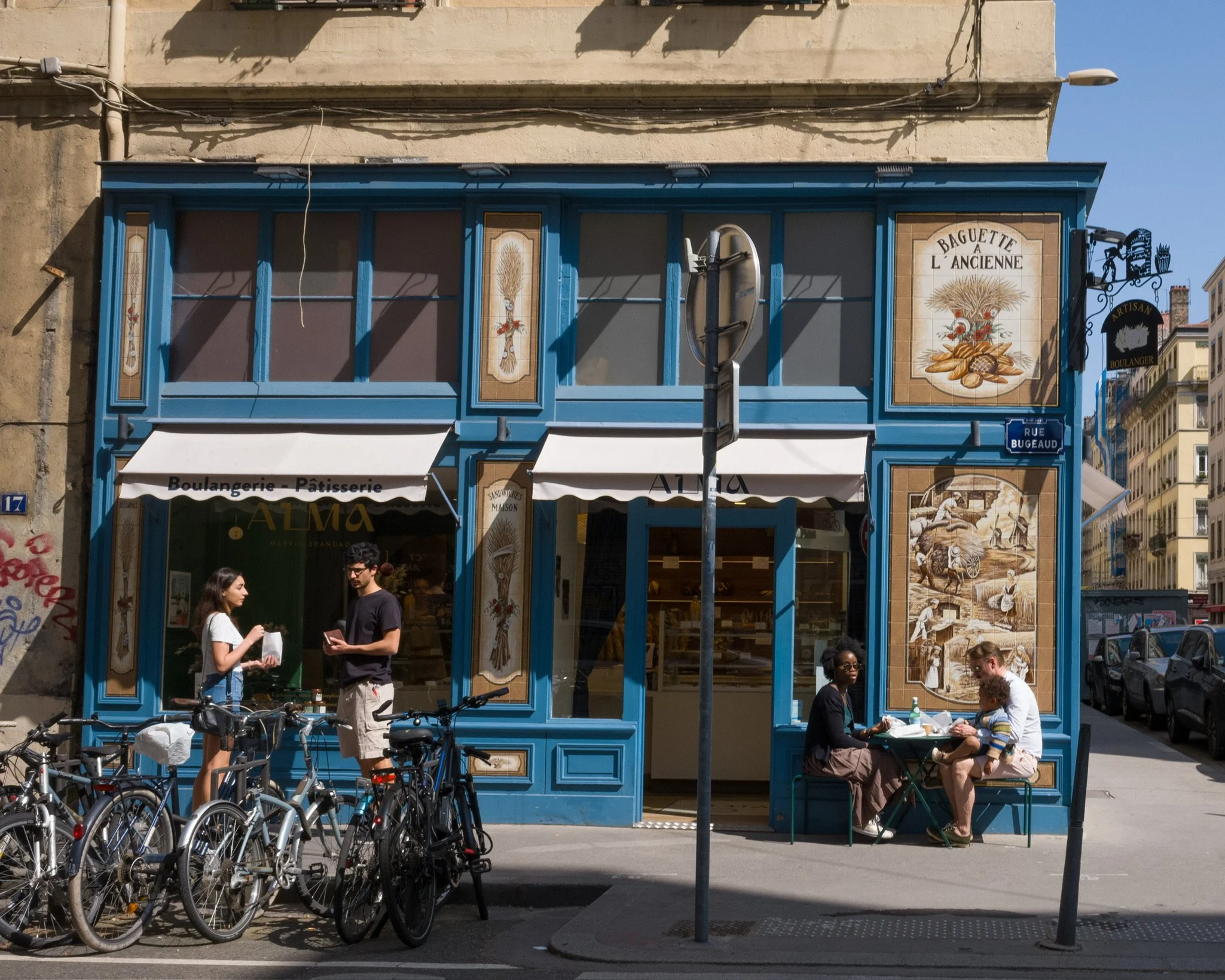
Lyon is my hometown, which makes it surprisingly difficult to write about.
I knew Lyon long before I knew to look at it. I knew it through ice cream melting down my hand at eight years old, afternoons beneath the trees of the Parc de la Tête d’Or, and the familiar rumble of the métro carrying me through the city. Later, I knew it through summer nights stretched along the riverbanks, talking with friends until the hours disappeared, wondering aloud about the people we might become and the places we might go. Through glasses of rosé lingering on café tables in the heat of July and cafés viennois warming our hands when winter turned the city gray. Through the first warm evenings when the terraces suddenly filled again, the lights of Fourvière above the rooftops, and the glow of the Fête des Lumières breaking through the darkness of December.
I knew which bridges to cross without knowing their names, which métro exit would put me on the right corner, which streets would lead me home. I passed the same pale stone façades so many times that I stopped seeing them at all. Lyon was never somewhere I had come to discover. It was simply where life happened: childhood and school days, first freedoms and long conversations, ordinary afternoons and nights we thought might never end.
So this isn’t everything to see in Lyon. It’s the route I’d take if I were showing you around myself.
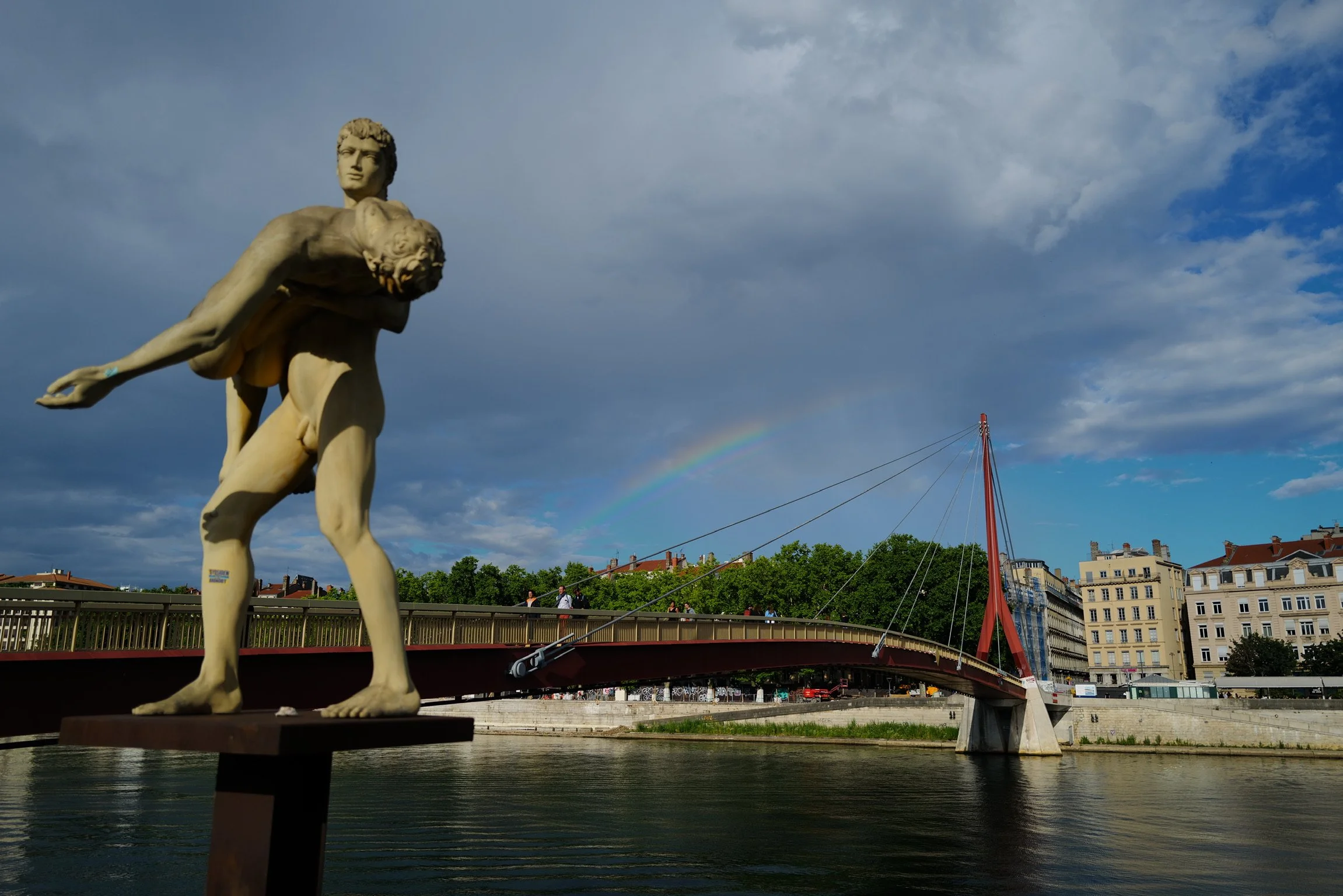
START ABOVE THE CITY
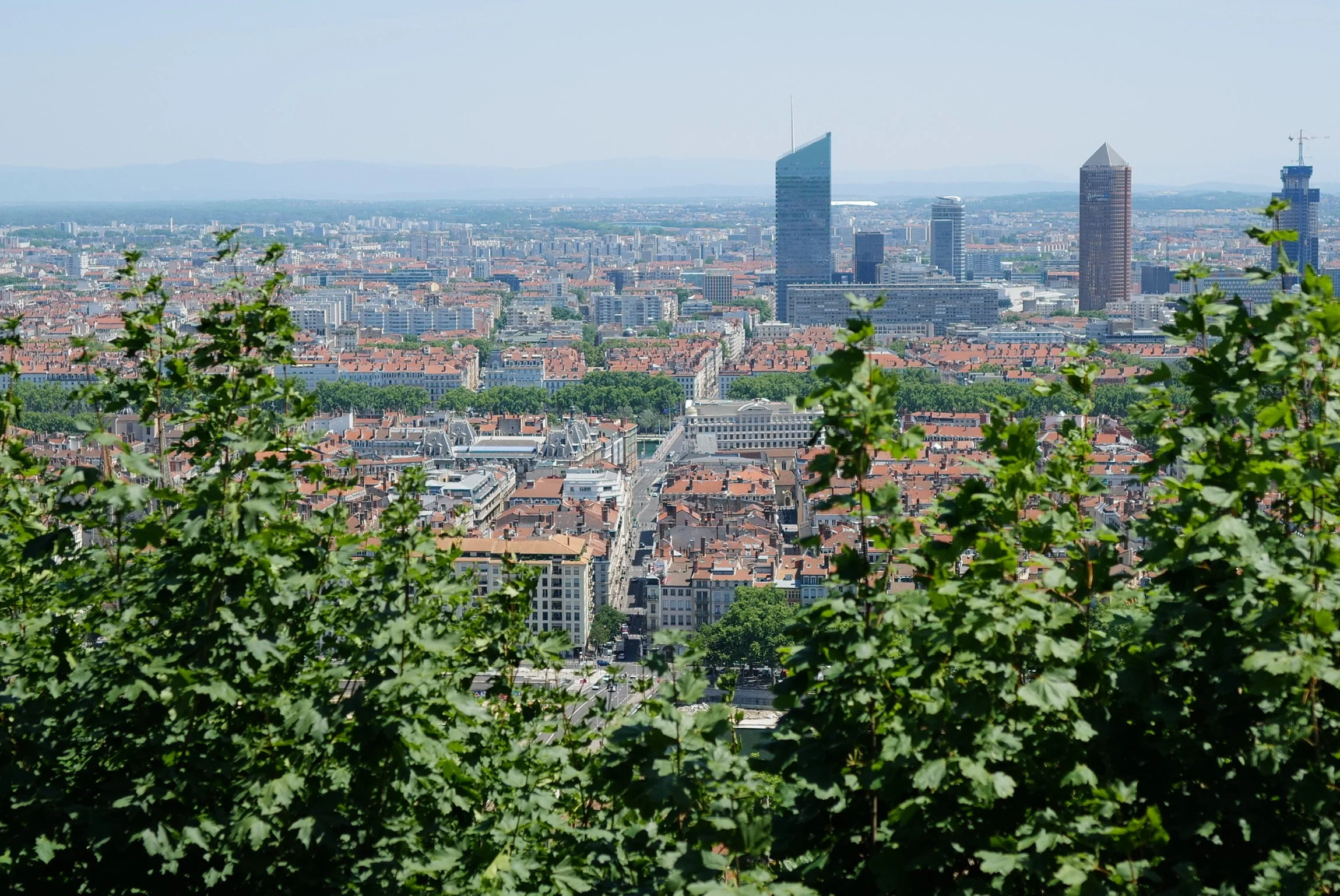
There are cities best understood from the street. Lyon, I think, makes more sense first from above.
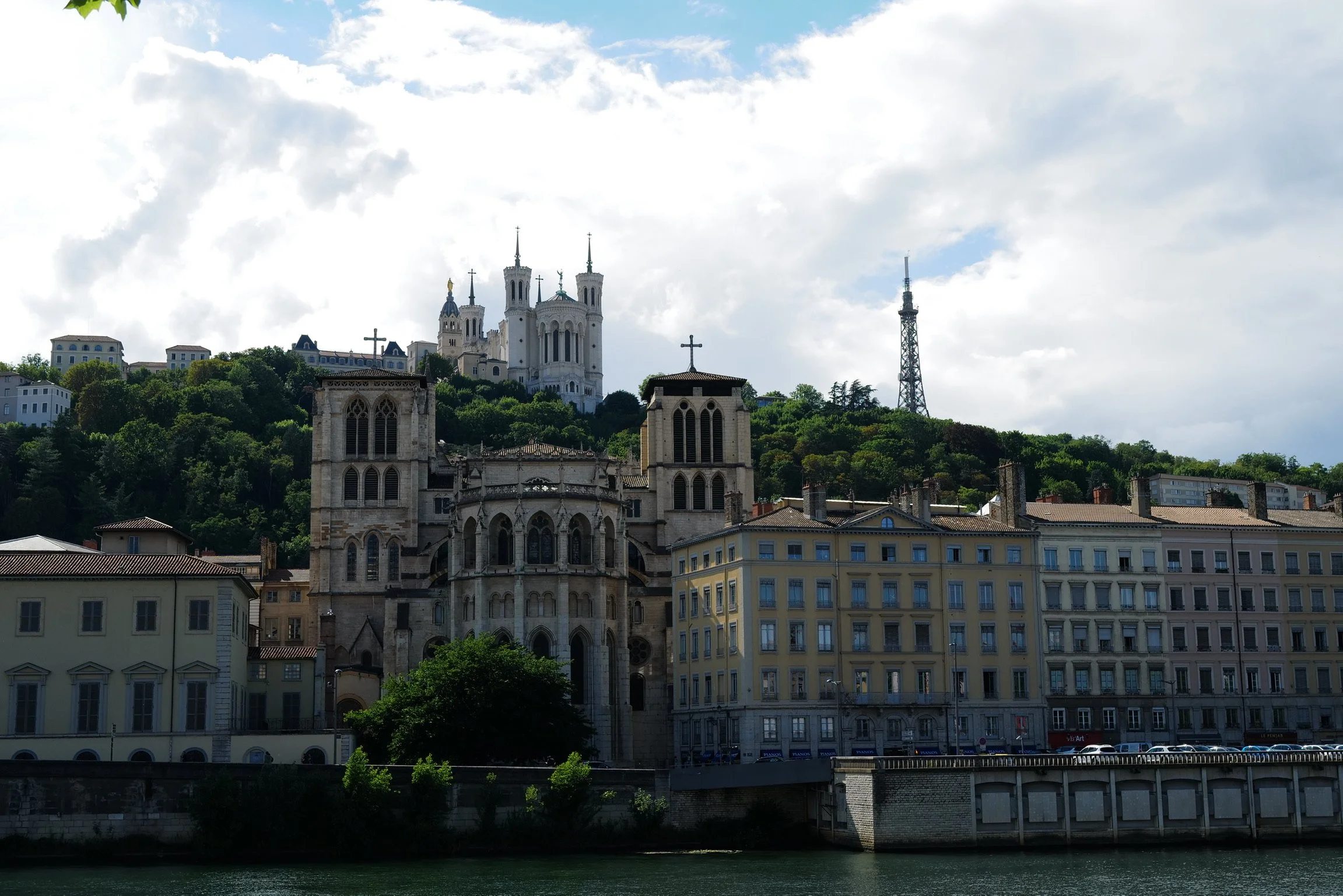
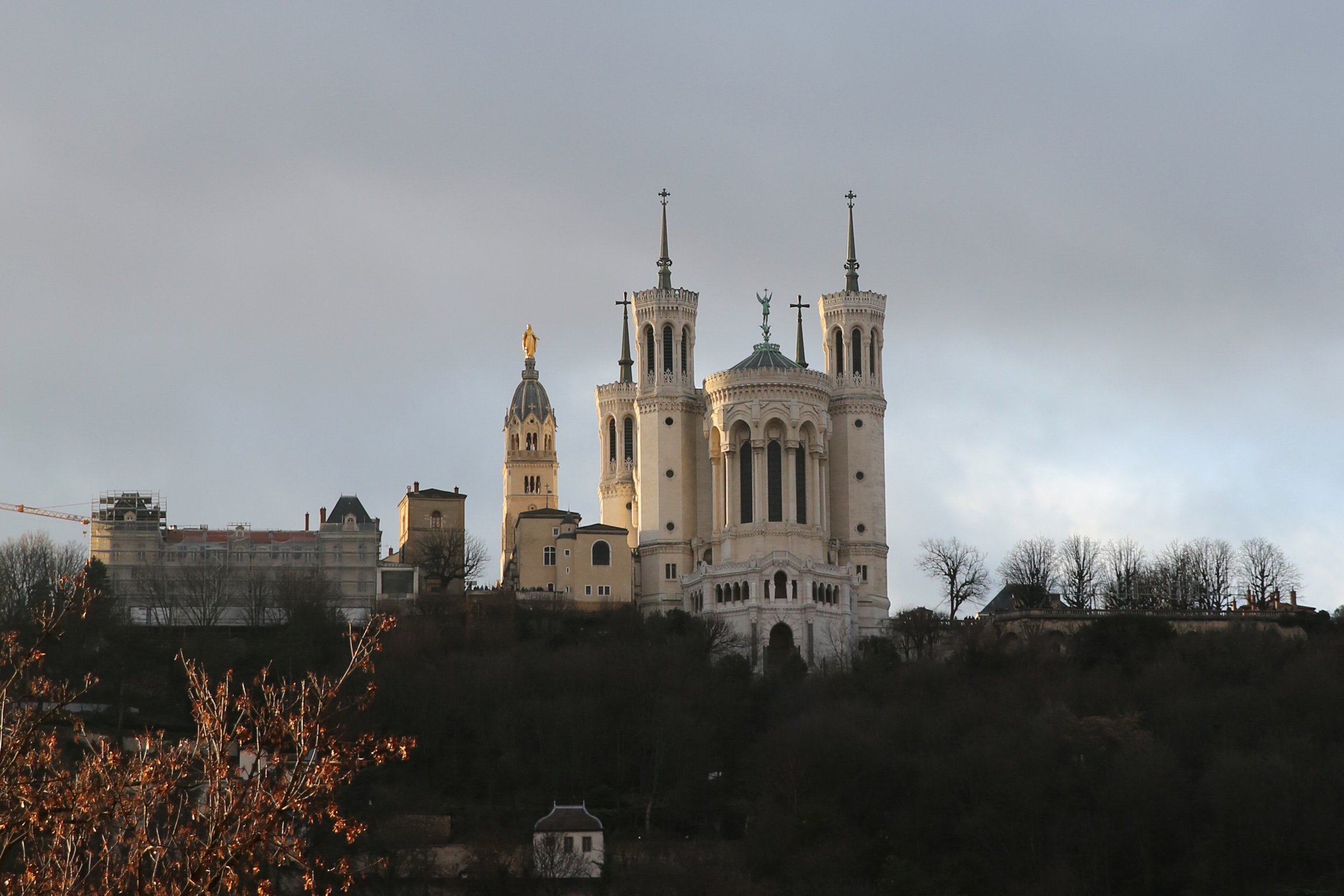
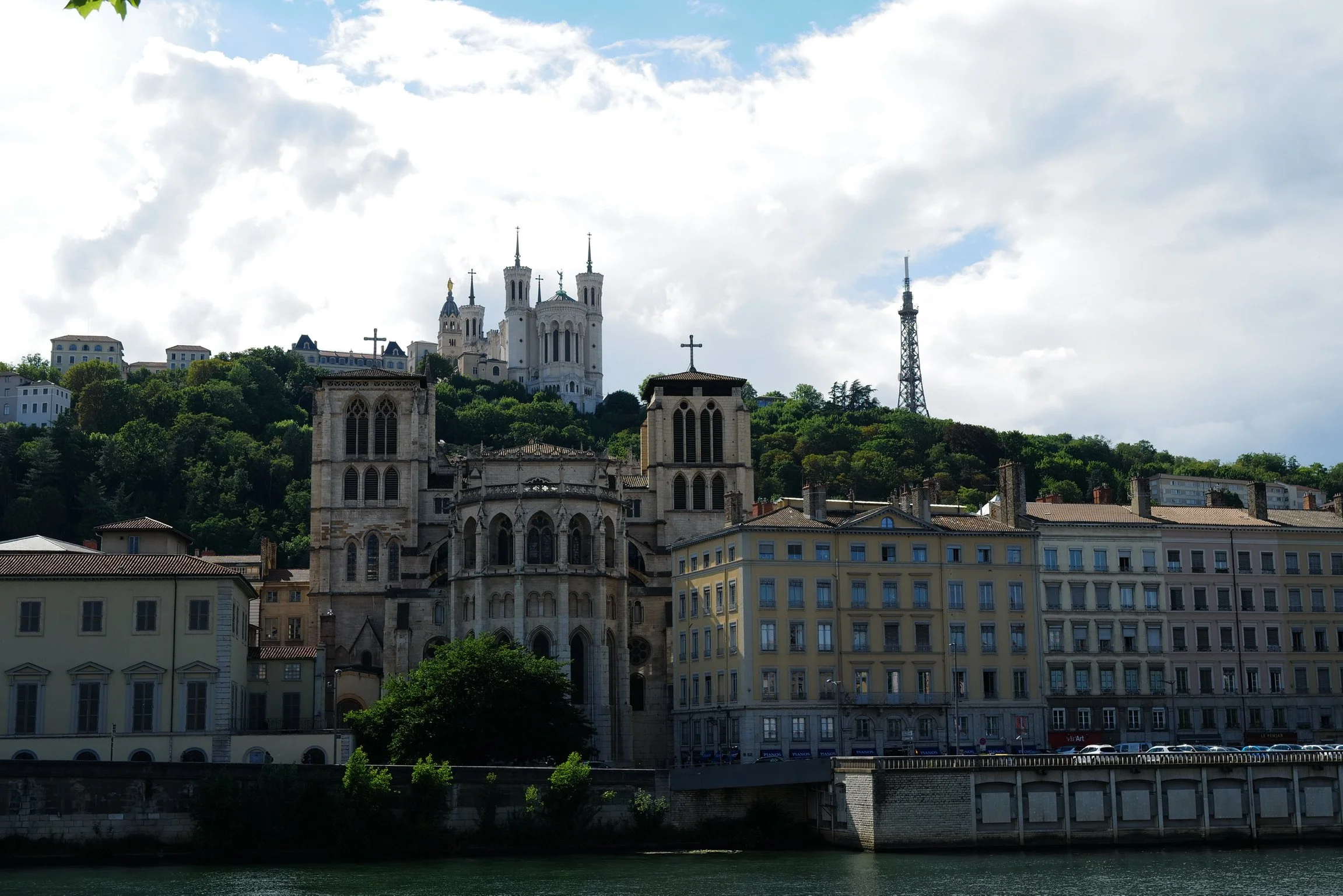
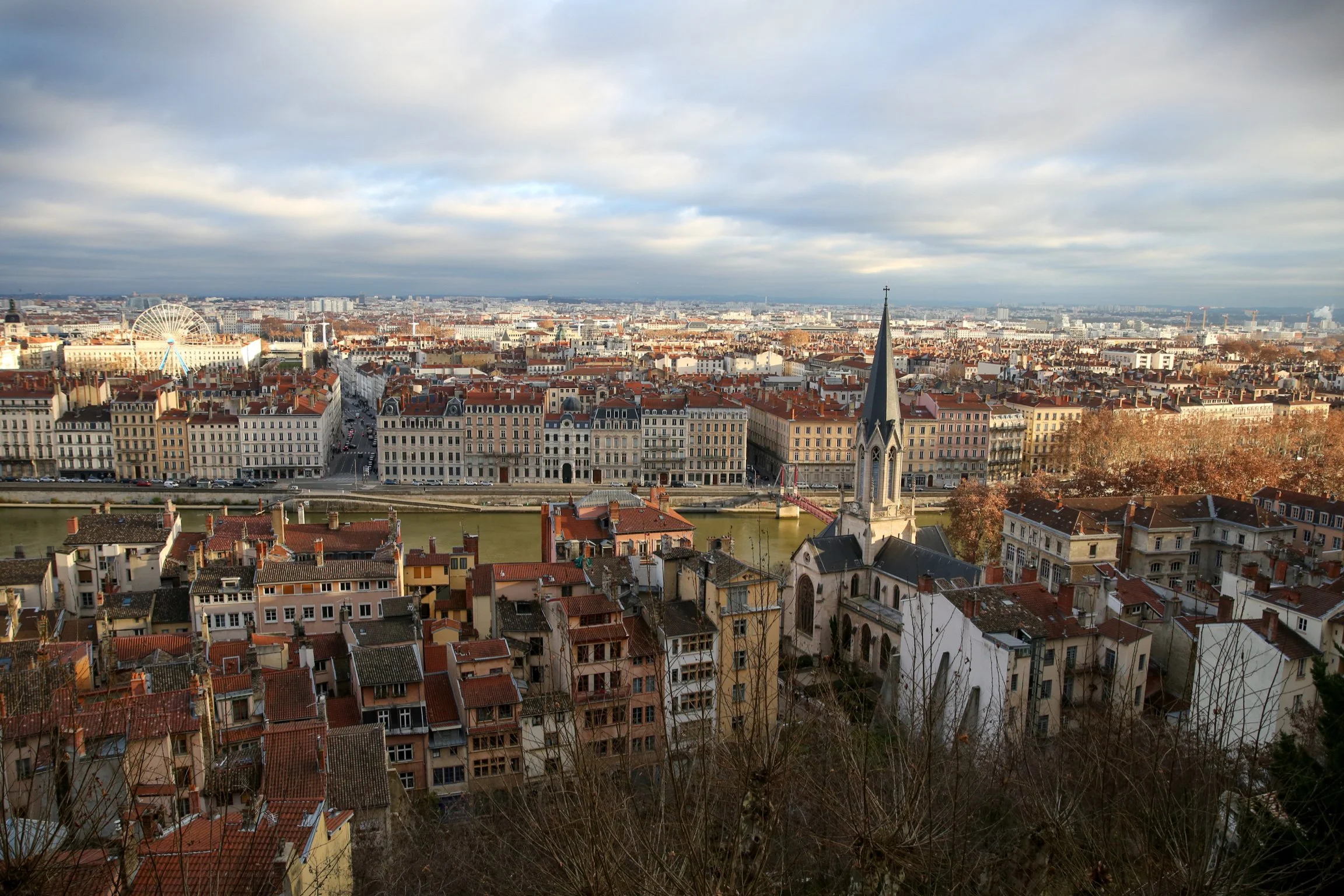
Take the funicular up the hill to Fourvière, where the city unfolds beneath you in layers: terracotta rooftops and pale façades, church spires, the two rivers cutting their separate paths through it all. On a clear day, the view seems to stretch forever.
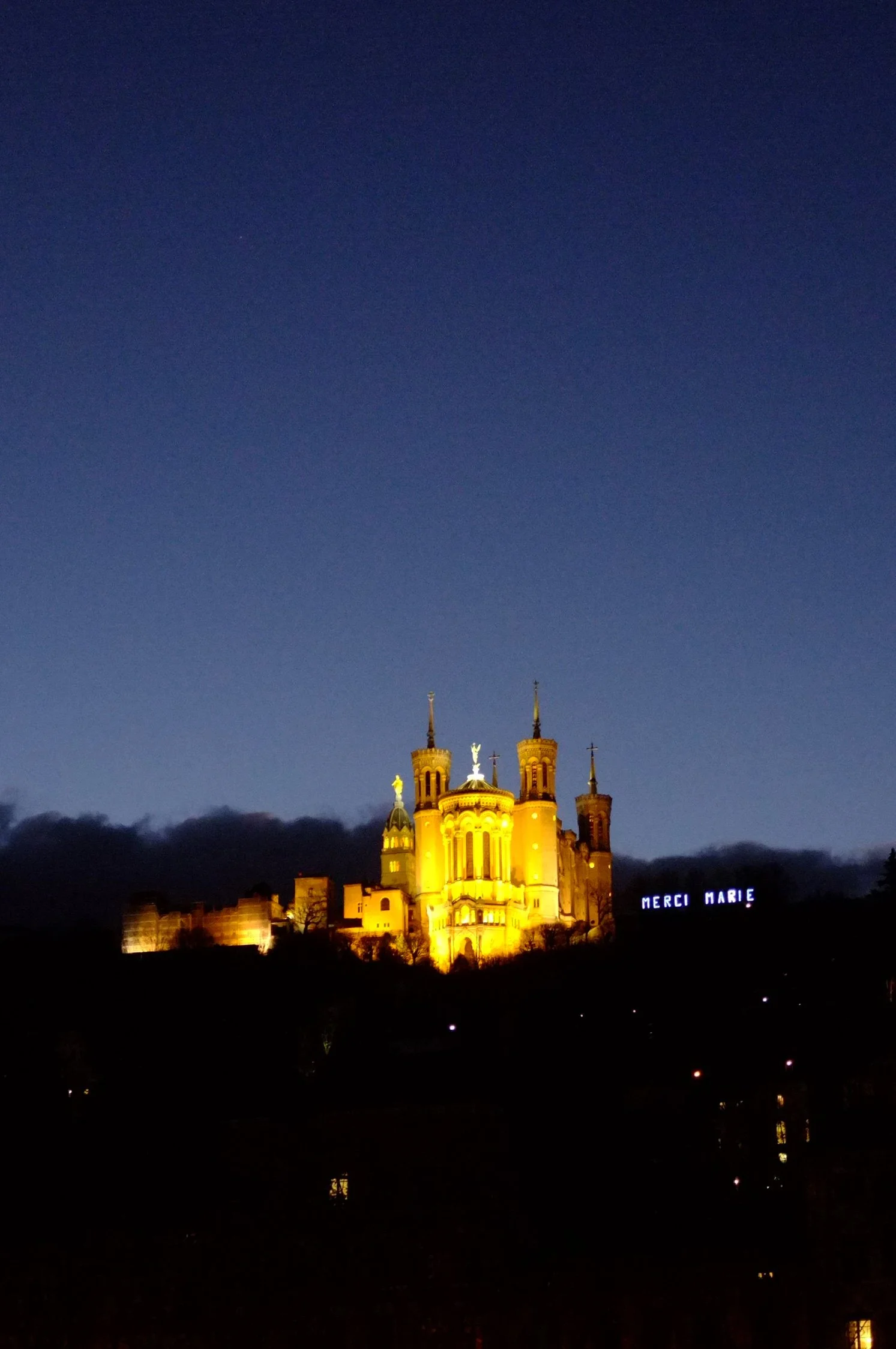
It is one of Lyon’s most visited places, but that has never made it feel any less essential to me. Fourvière is always there. You catch glimpses of it from streets below, glowing above the city at night, a kind of compass point that tells you where you are.
Before walking down, wander over to the ancient Roman theatres nearby. They have been sitting on this hillside for nearly two thousand years, an almost absurd reminder of how many versions of Lyon have existed beneath the one you’re about to explore.
Then walk down.
GET LOST IN VIEUX LYON
The best way into Vieux Lyon is slowly.
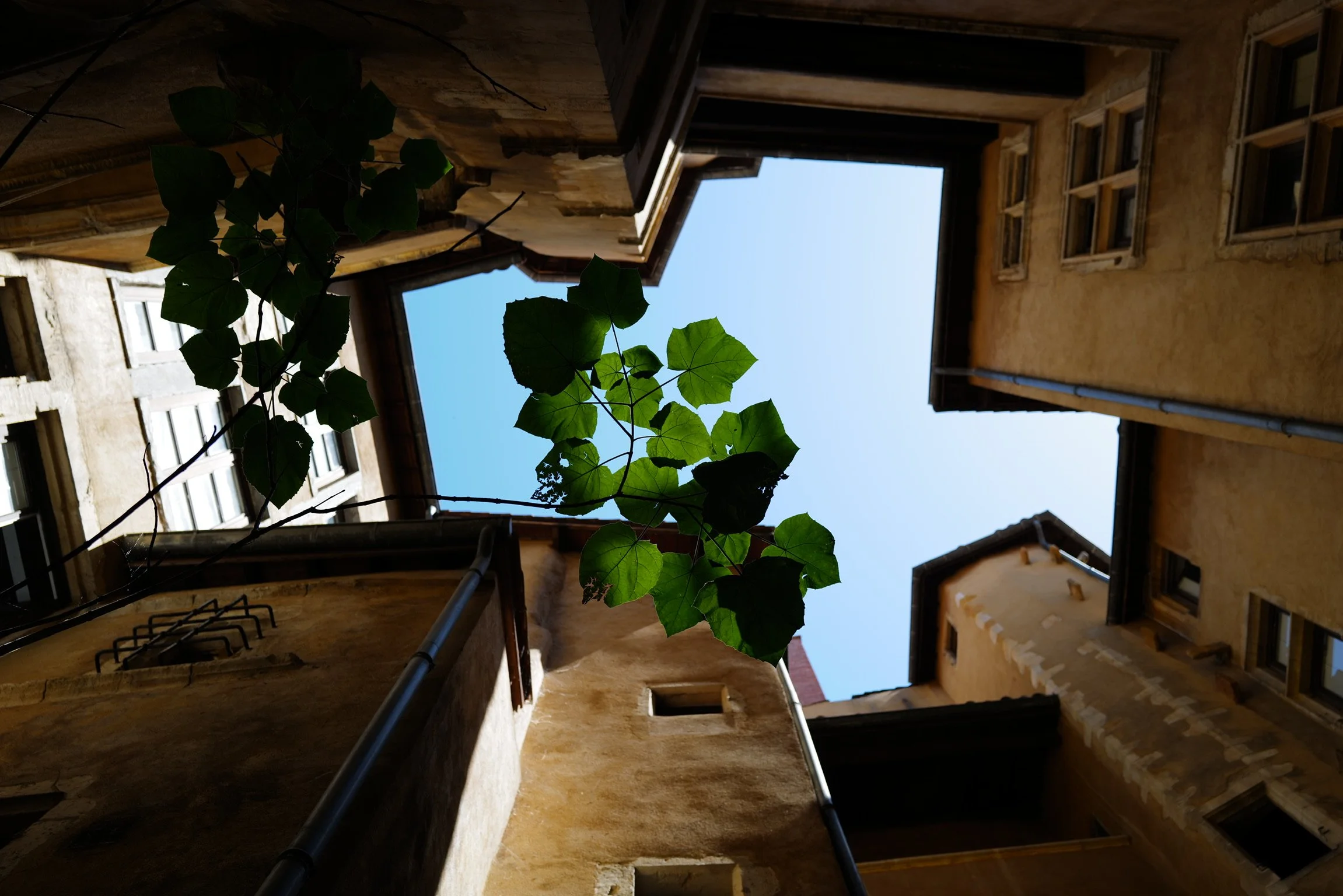
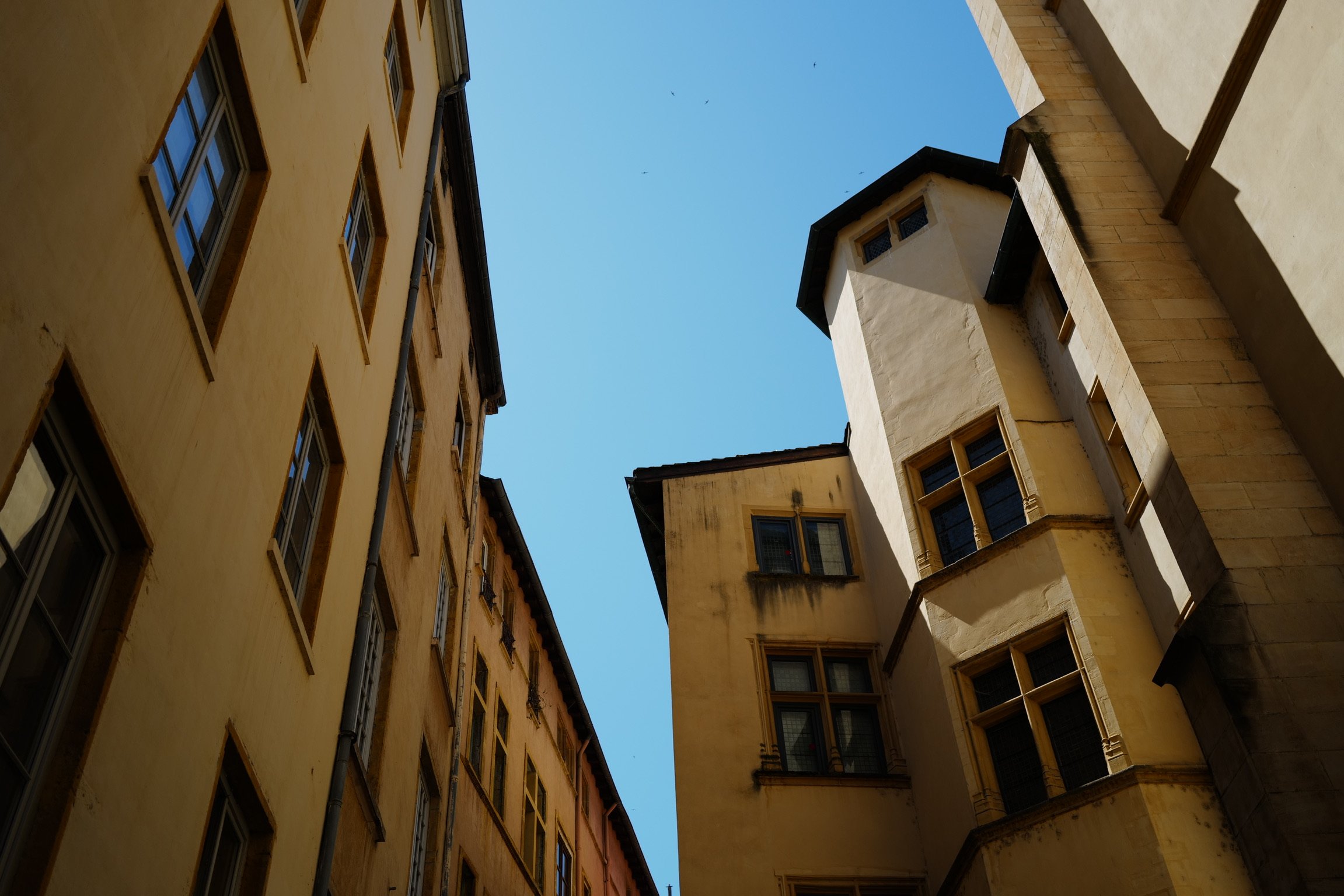
Let the streets narrow around you. Look into courtyards. Push open the doors of the traboules when you find them and follow the passageways disappearing through buildings toward another street. There is something wonderfully secretive about them, even when you know generations of Lyonnais have been taking these shortcuts for centuries.
Don't worry too much about having a destination here. There are little shops to wander into, restaurants tucked beneath old stone arches and streets that are far more interesting when you aren't trying to get anywhere.
Eventually, though, find your way to Nardone for ice cream.
I've been coming here since I was a child, which means I can't pretend to offer an impartial assessment. Some places become good simply because of everything you remember around them. For me, Nardone is one of those places.
Take your ice cream with you and keep walking.
CROSS THE SAôNE
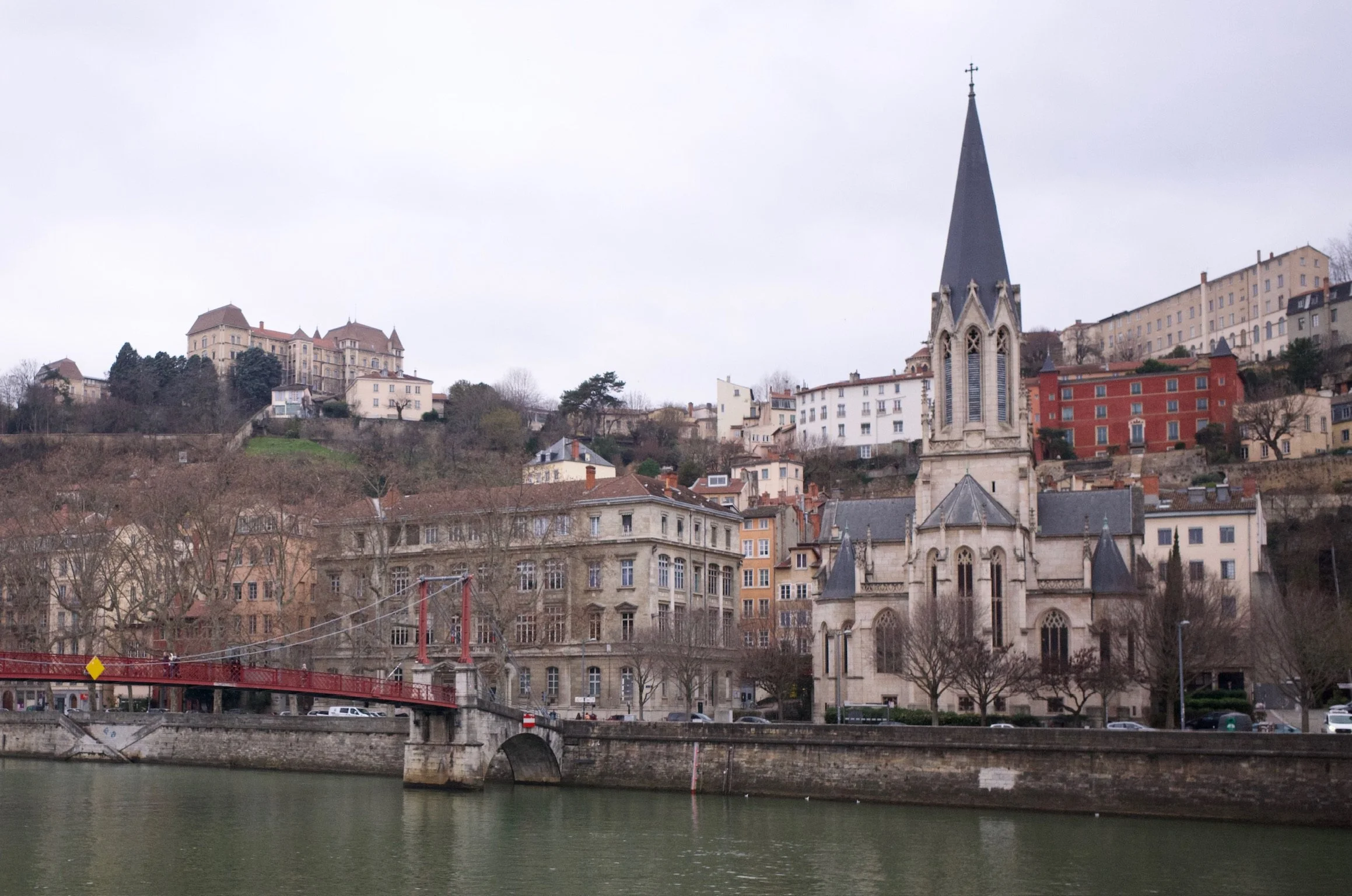
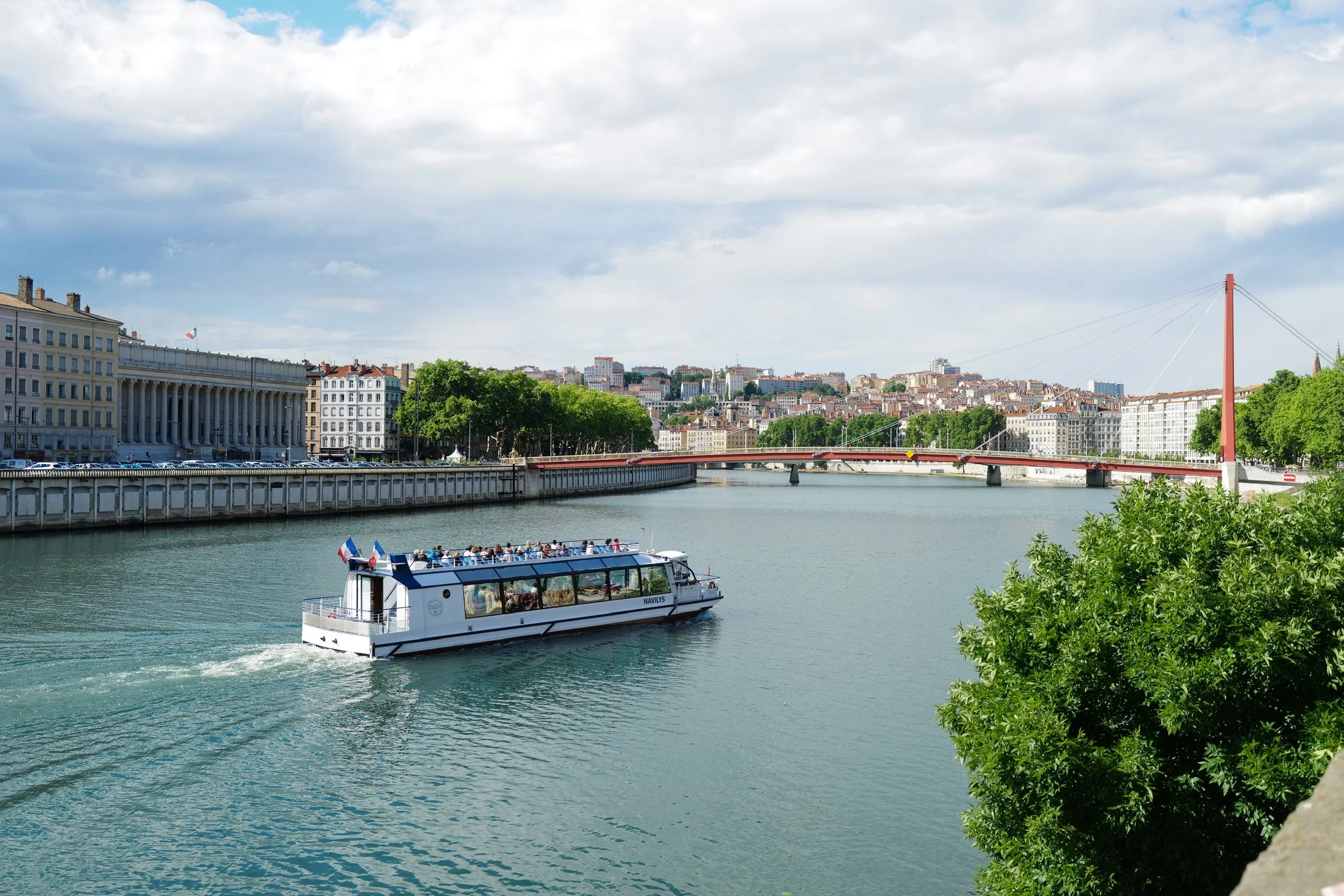
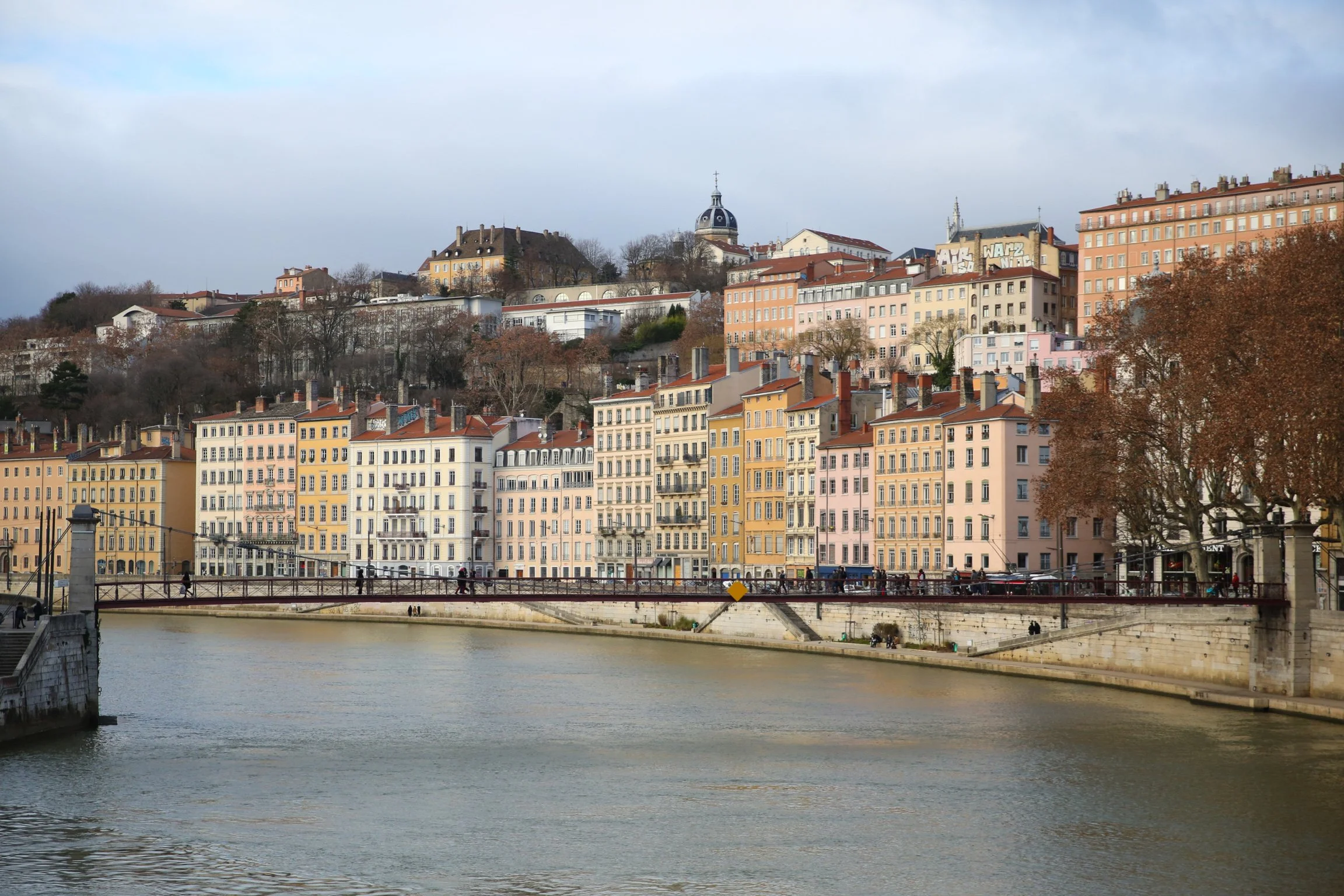
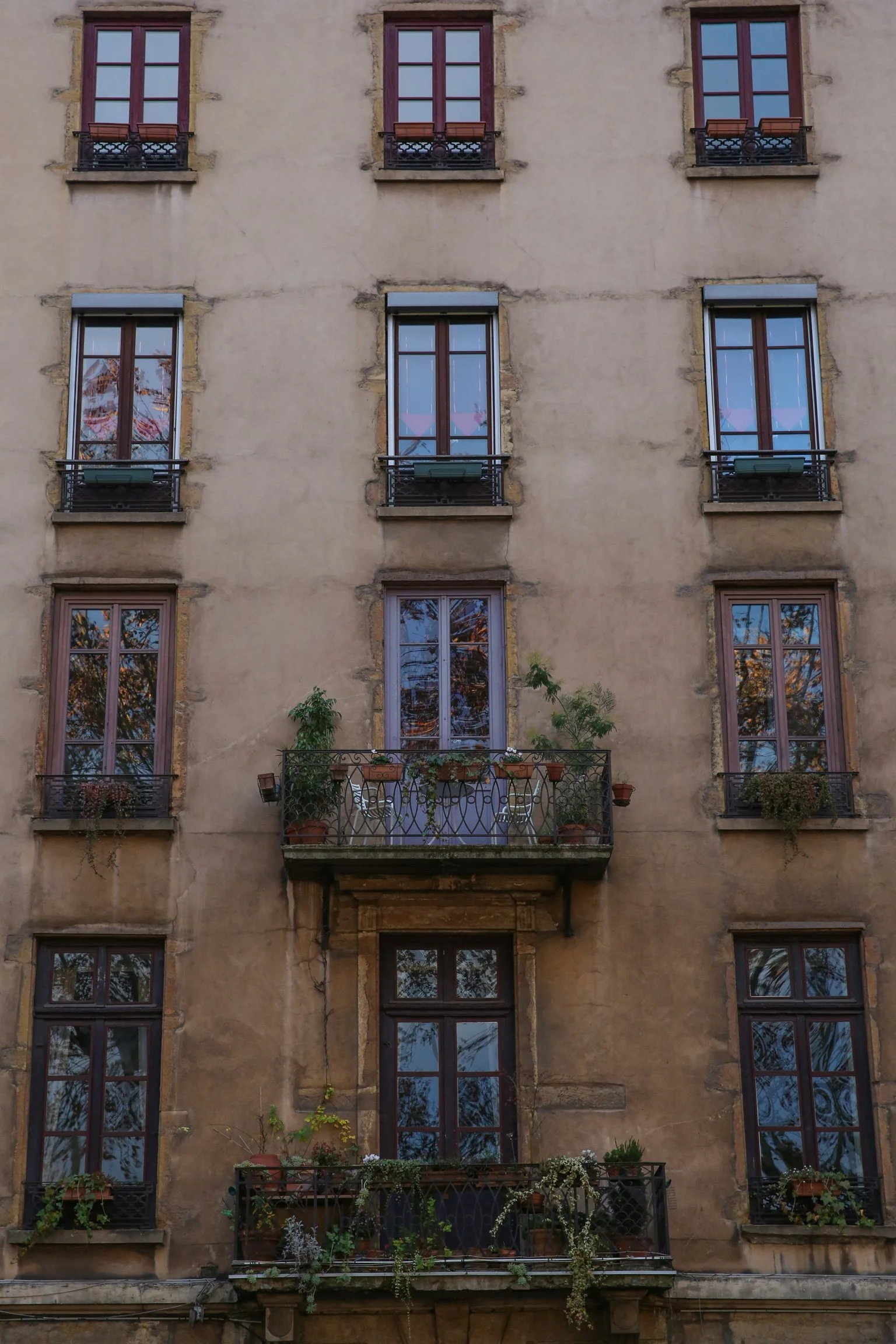
Eventually, Vieux Lyon opens onto the Saône, and the city changes again on the other side.
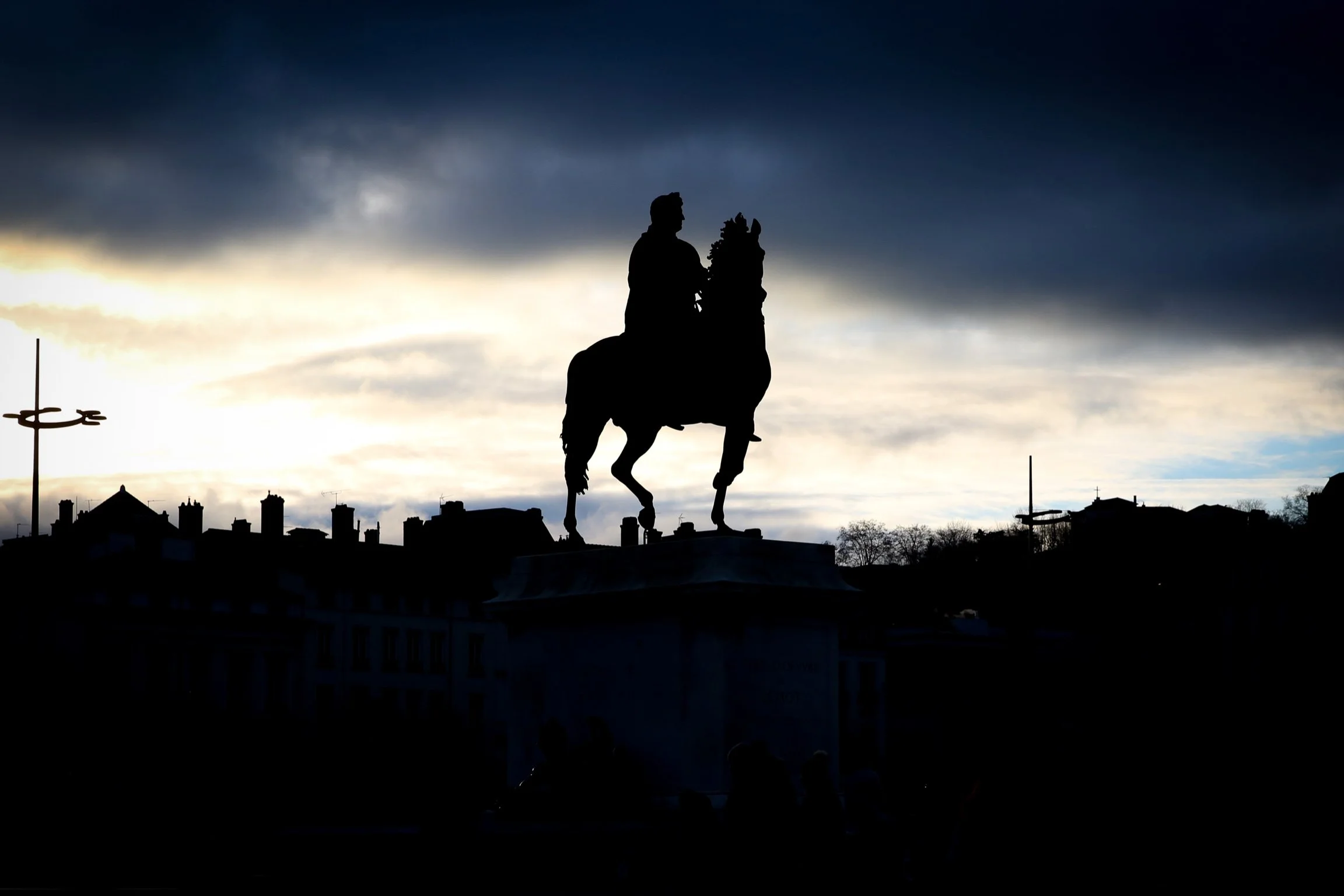
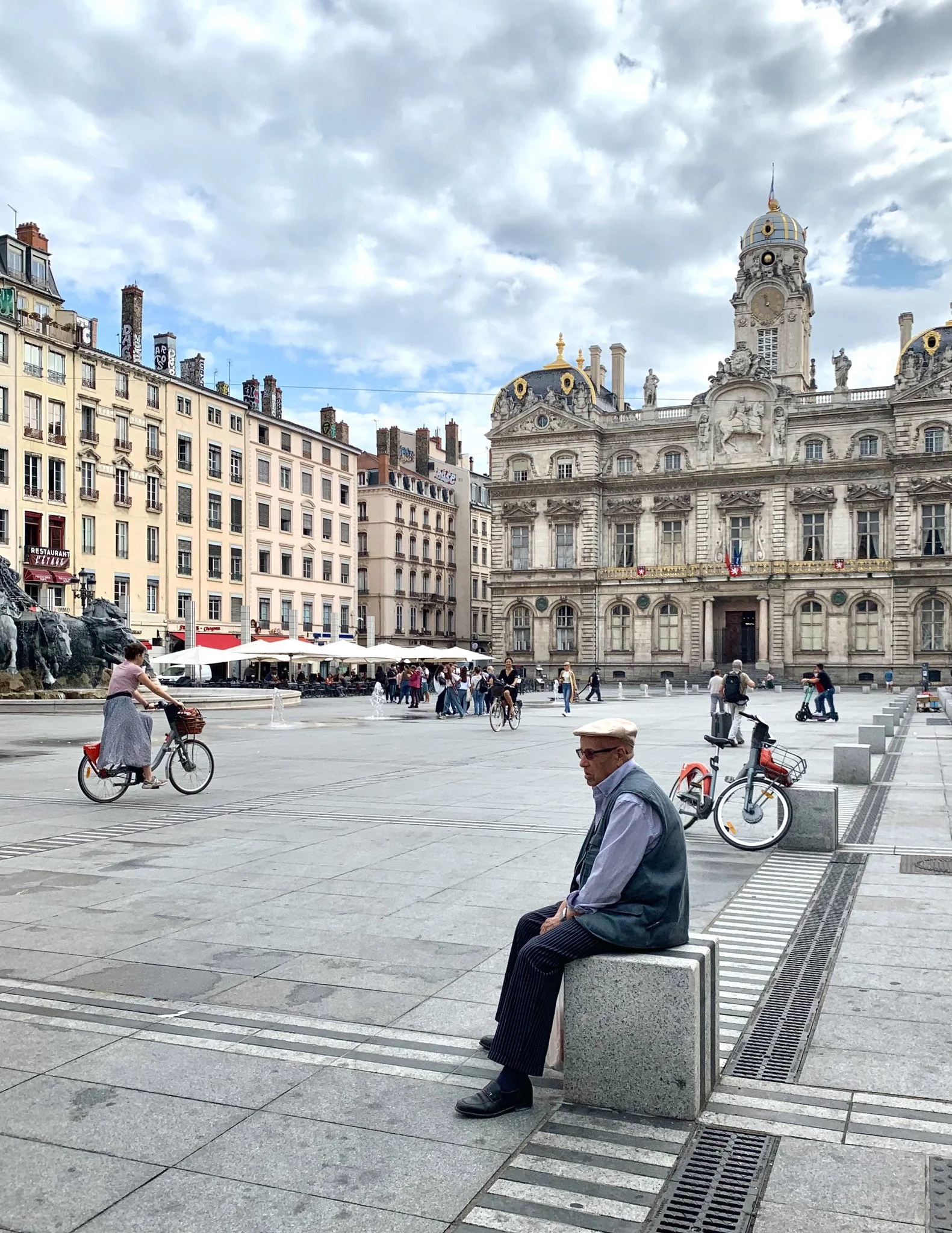
Cross toward Presqu’île, the long stretch of Lyon held between its two rivers. This is the Lyon of grand façades and shopping streets, of Rue du Président Édouard Herriot and Rue de la République, but also of smaller squares you can almost stumble past if you're moving too quickly.
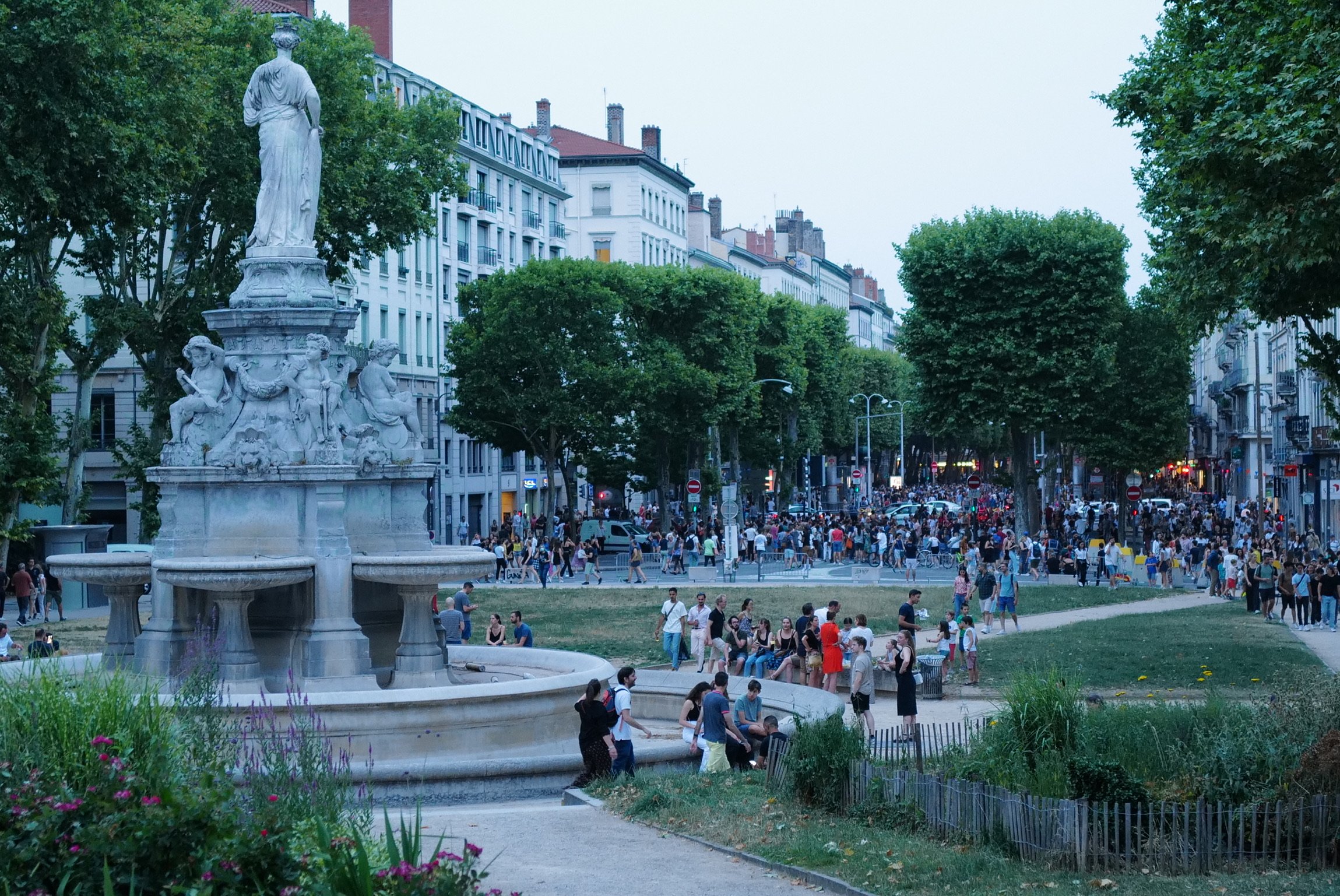
Place des Célestins is one of those. Tucked just behind the theater, it is a place to sit for a while with no particular reason for doing so, which is reason enough.
From there, make your way toward the Rhône and the Grand Hôtel-Dieu. For centuries it was a hospital; today its enormous courtyards and corridors have been remade into shops, restaurants and places to linger.
Le Théodore is here, and it's a family favorite. Go for lunch, stay longer than you planned, and order the waffles for dessert.
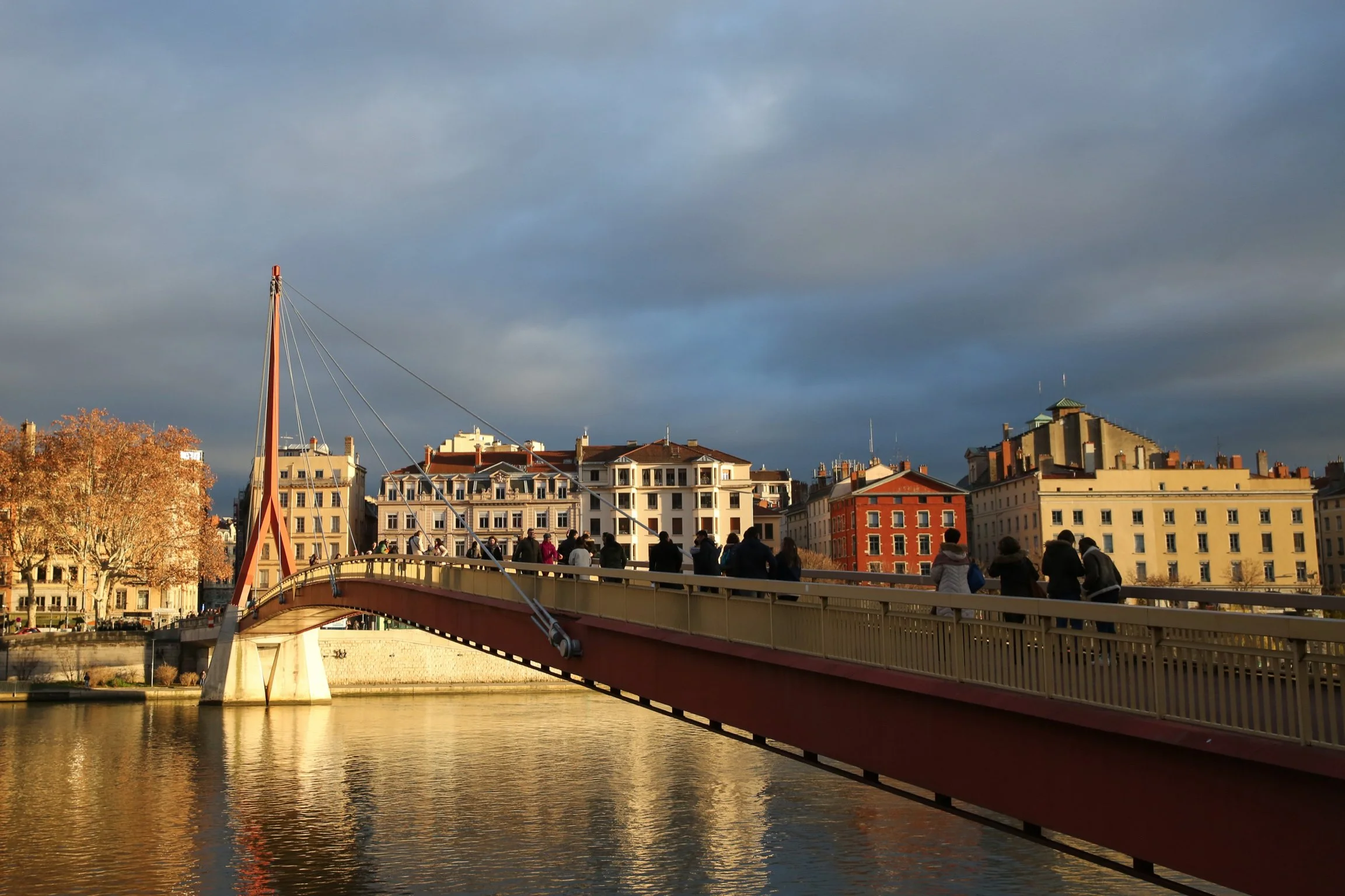
Then cross another bridge.
THE LYON I GREW UP IN
On the other side of the Rhône is the 6th arrondissement.
This is where the guidebook part becomes harder for me, because this is where Lyon stops being somewhere I can describe objectively. I grew up here. My parents still live here. These are streets I know less by what there is to see than by all the ordinary things that happened along them.
If you don't walk across the river, take the métro to Foch and emerge onto Cours Franklin Roosevelt. Then wander.
Walk along Franklin Roosevelt and Avenue de Saxe. Stop when a café looks inviting. Look into the shops. There is no monument you're trying to reach. This is a neighborhood for living in, and seeing it means allowing yourself, for a little while, to do the same.
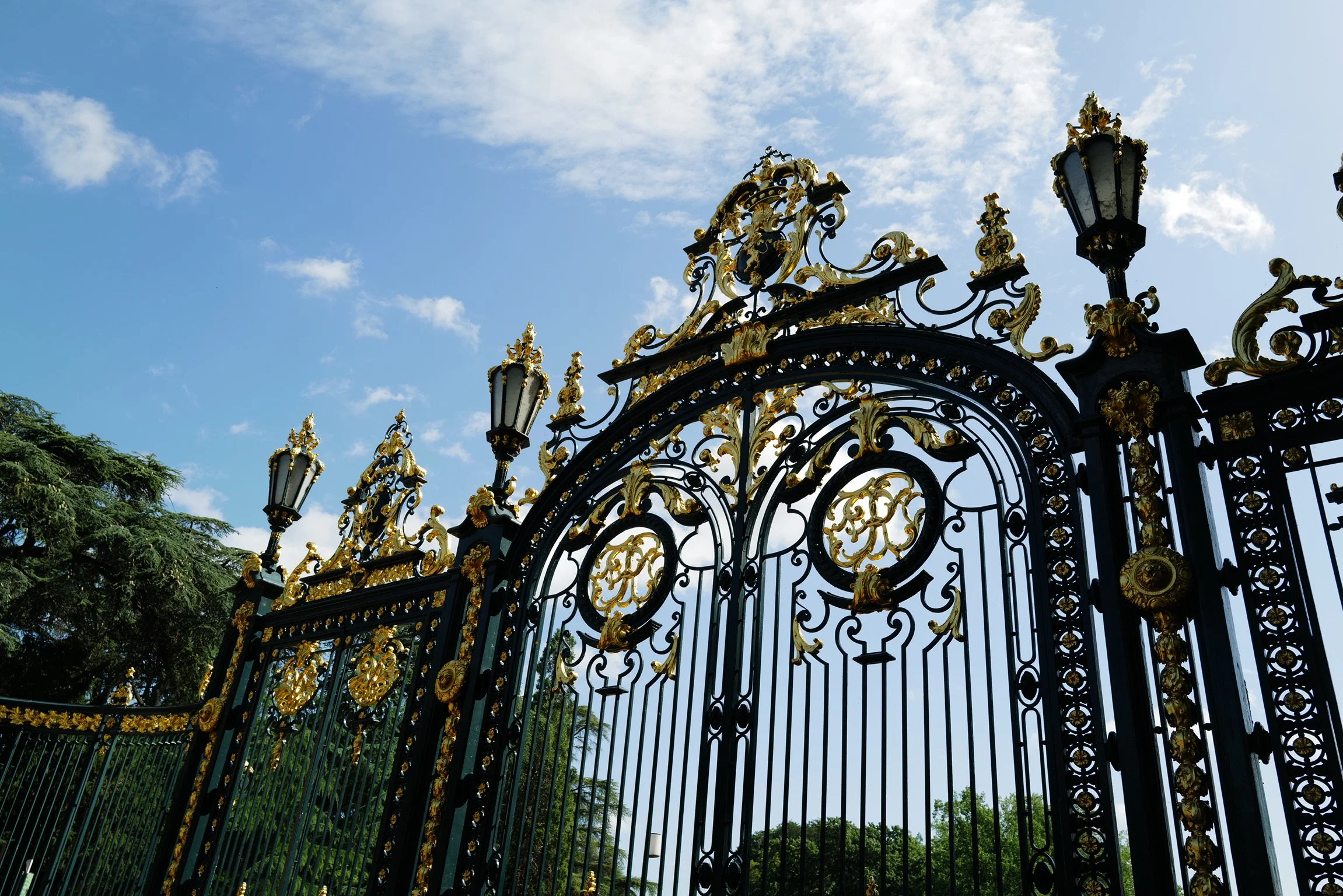
Eventually, turn toward the Parc de la Tête d’Or.
AN AFTERNOON BENEATH THE TREES
The Parc de la Tête d’Or has been part of my Lyon for as long as I can remember.
As a child, it felt enormous. There were afternoons beneath its trees, walks around the lake, the dreaded school annual 5K, paths that seemed to lead much farther than they actually did. It remains one of the places I return to when I'm home, familiar in the strange way childhood places are: smaller somehow but exactly the same.
Walk around the lake. Find a bench. Wander through the gardens. Watch families and runners and couples and people doing precisely what people have always done in city parks, spending an afternoon without needing it to amount to anything.
STAY UNTIL EVENING
When the light begins to soften, make your way back toward the Rhône.
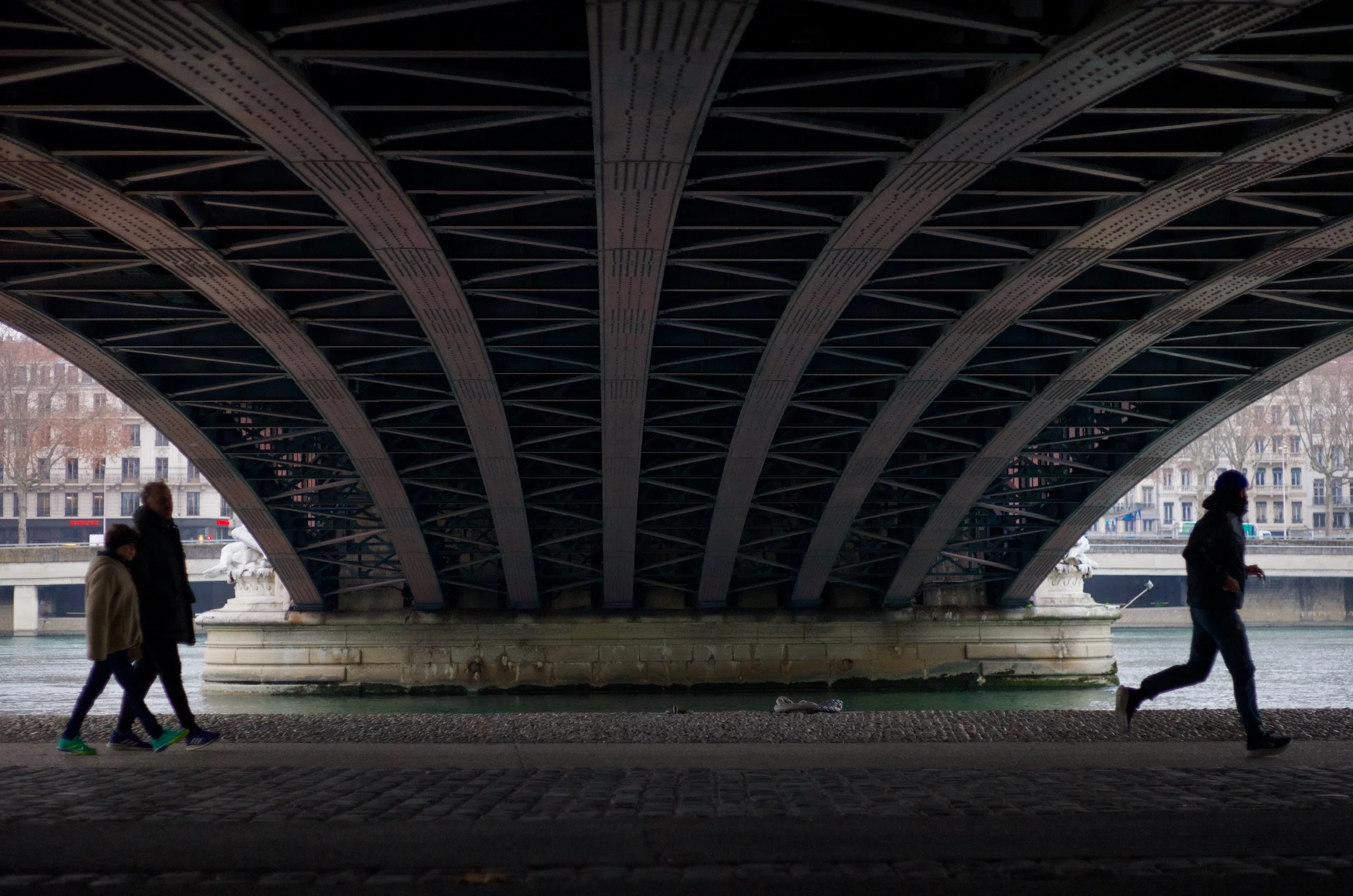
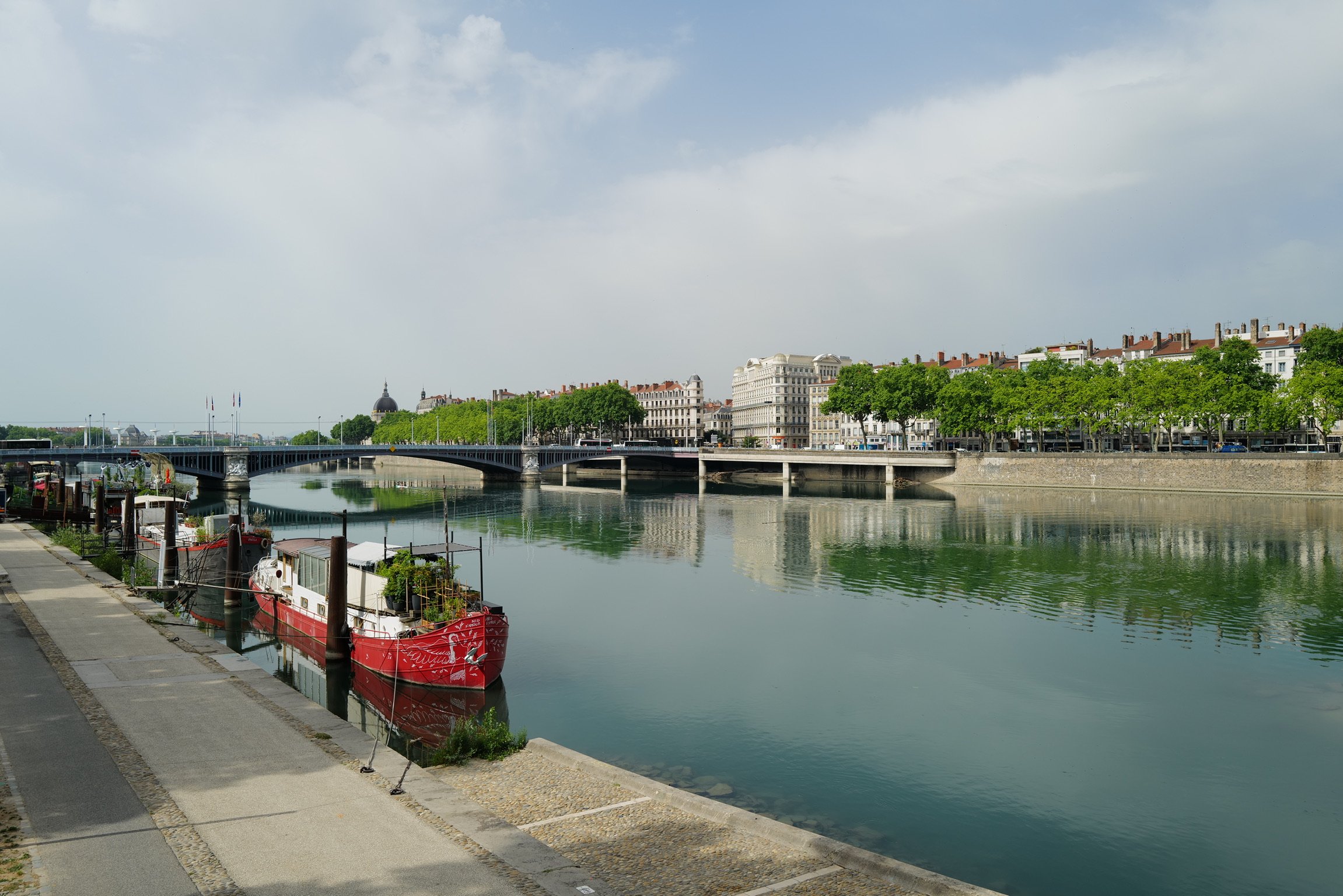
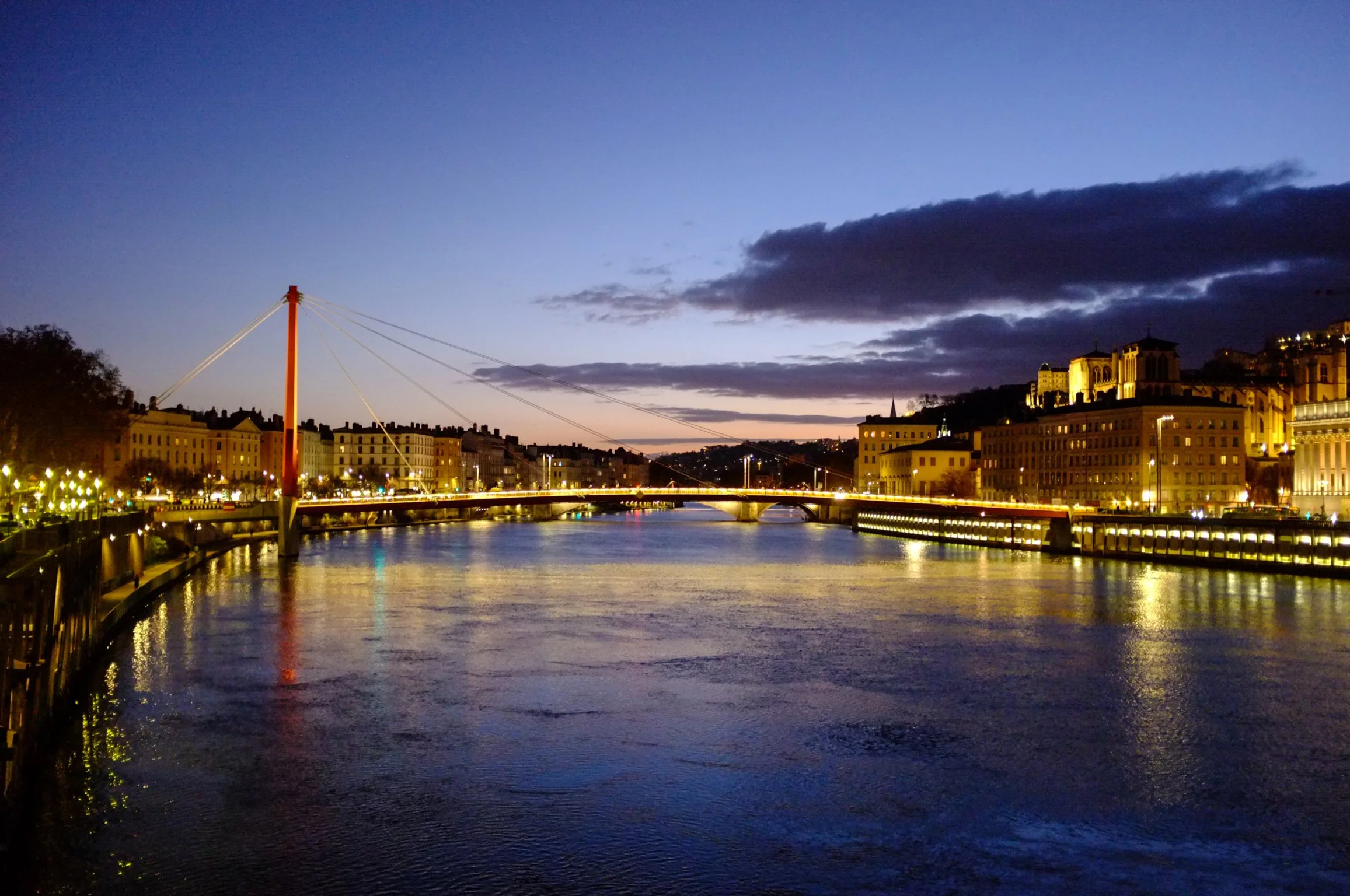
The riverbanks belong to a different Lyon than the one you saw from Fourvière that morning. They are less about history and more about the city as it is being lived now. People cycle home, meet friends, sit beside the water. Péniches line the river, some turned into bars and restaurants, their lights beginning to reflect on the Rhône as evening settles in.
Stay for a drink.
Years ago, these were the kinds of evenings that felt endless to us. We would sit beside the river and talk for hours, making plans for futures none of us could see yet. Eventually we would get up, cross another bridge and disappear back into the city.
IF YOU HAVE ANOTHER DAY
Croix-Rousse
Start at the top and work your way downhill. The neighborhood is full of stairs, slopes, small streets and remnants of Lyon's silk-weaving history. Walking down also conveniently deposits you back near the center.
Les Puces du Canal
One of my favorite detours if your visit lines up with a market day. The sprawling flea and antiques market is outside the center, so take the bus or a taxi/Uber and give yourself time to dig around.
Les Halles de Lyon Paul Bocuse
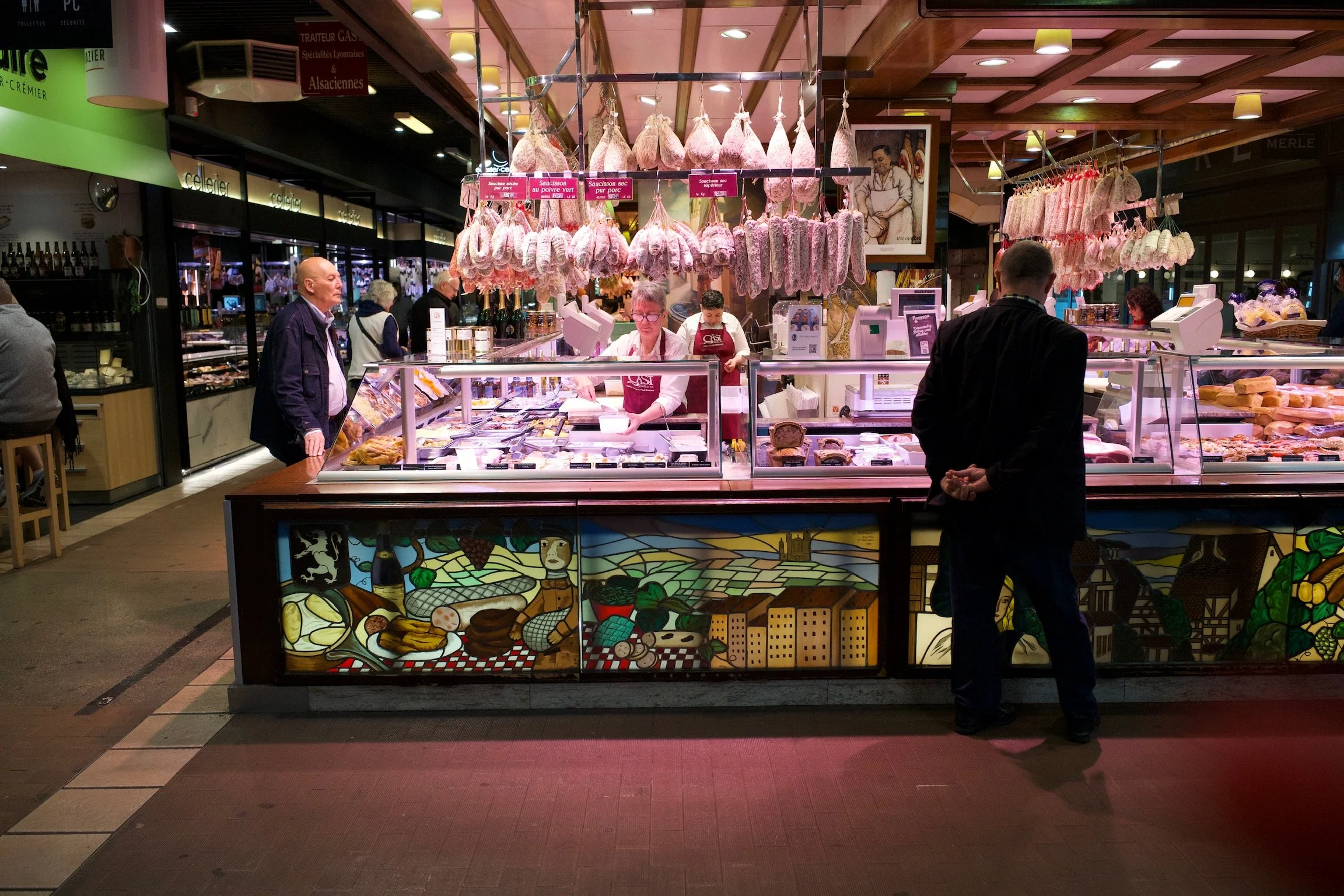
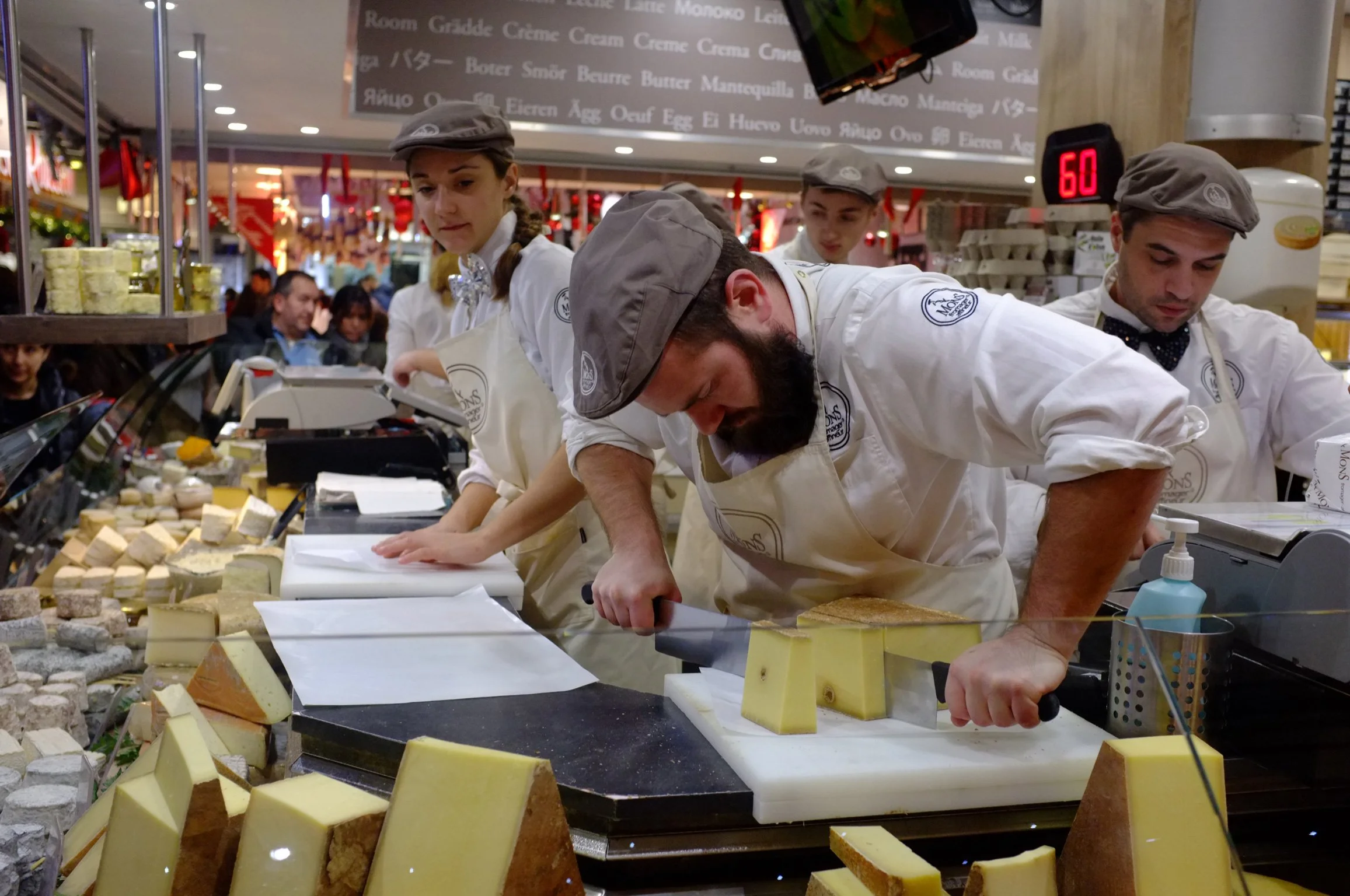
Go hungry. This is Lyon's famous indoor food market and an easy place to sample the cheeses, charcuterie, pastries and other things the city does particularly well.
THREE MUSEUMS WORTH KNOWING
If the weather turns or you want to trade walking for a museum, I'd choose based on what interests you rather than trying to see them all.
Musée Miniature et Cinéma for miniature scenes, props and movie effects.
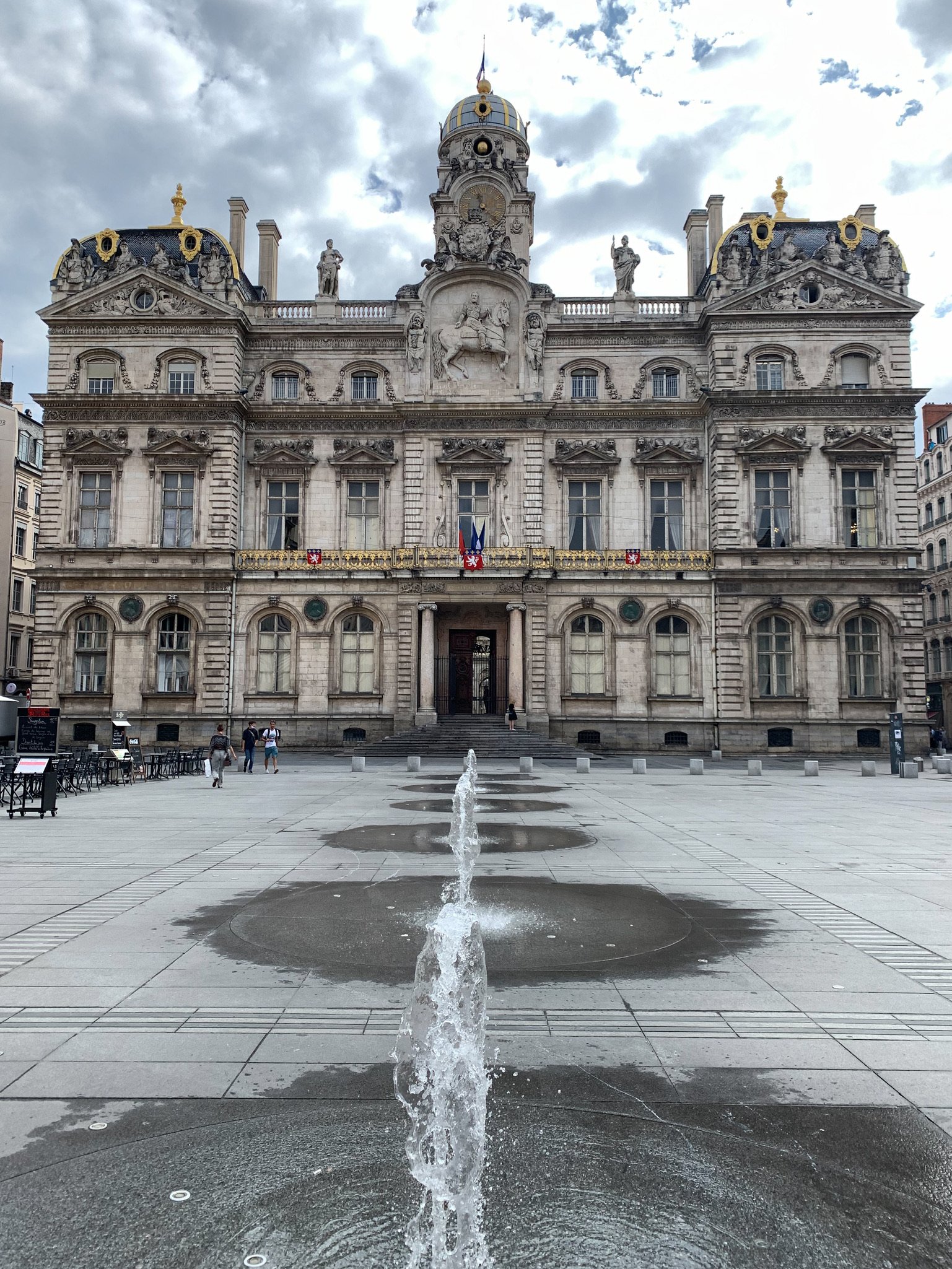
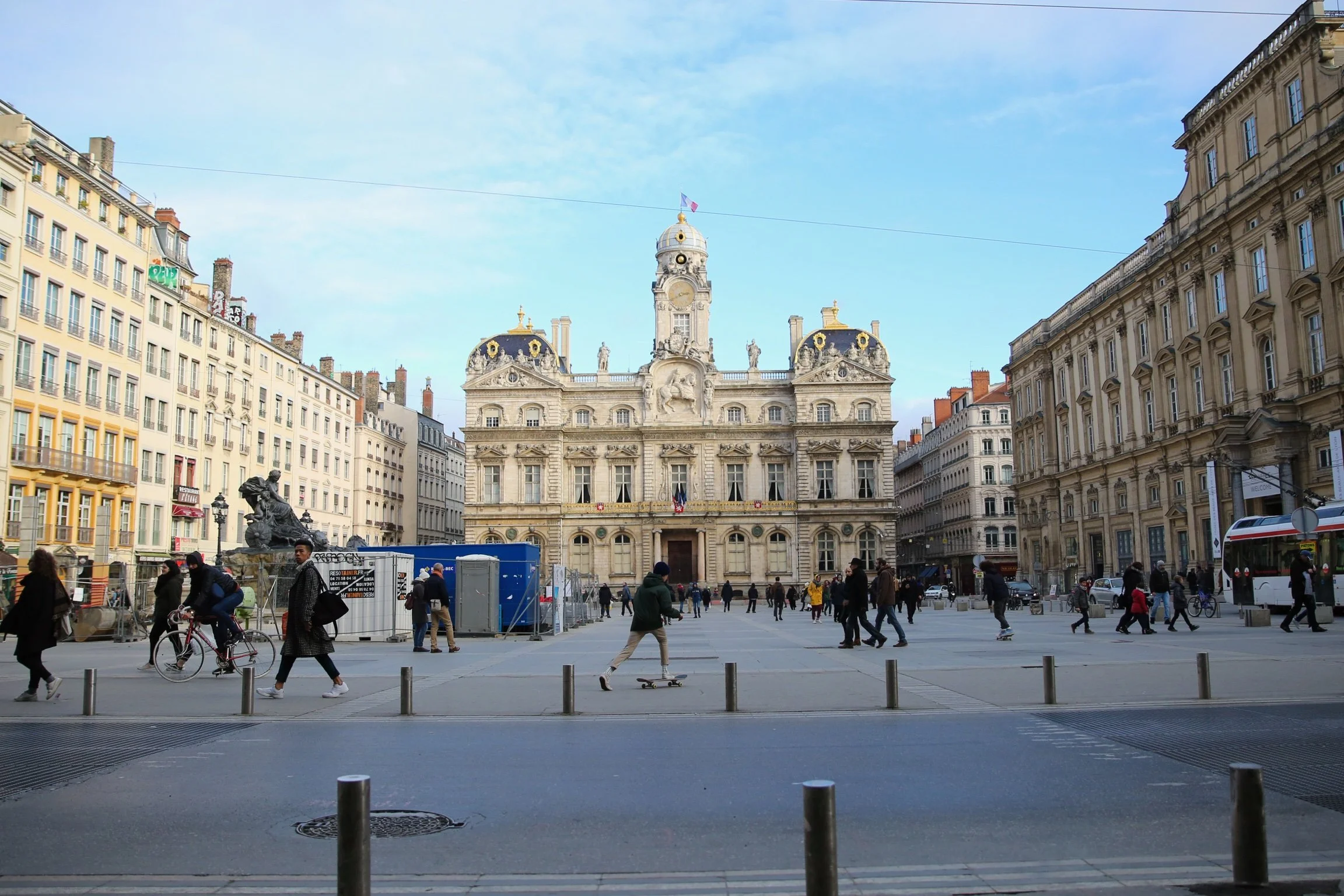
Musée des Beaux-Arts de Lyon for the classic museum experience, housed in a former abbey on Place des Terreaux.
Musée des Confluences as much for the building and its position at the meeting point of the Rhône and Saône as for the museum itself.
THE NOTE
Lyon rewards walking.
You can see its history almost in layers: Roman ruins on Fourvière, Renaissance streets below, the grand 19th-century avenues of Presqu’île and the everyday residential neighborhoods across the Rhône.
But the Lyon I love isn't really one monument or museum. It's crossing the rivers, stopping at a café, wandering into a traboule, sitting in a square and realizing you've spent most of the day getting somewhere without ever being in much of a hurry.